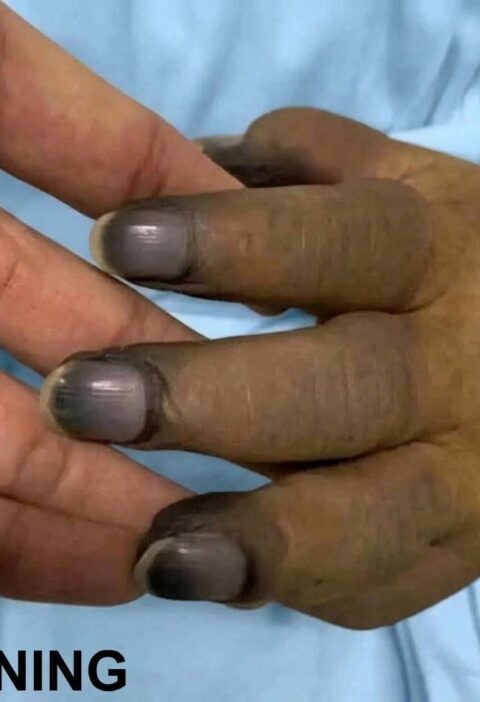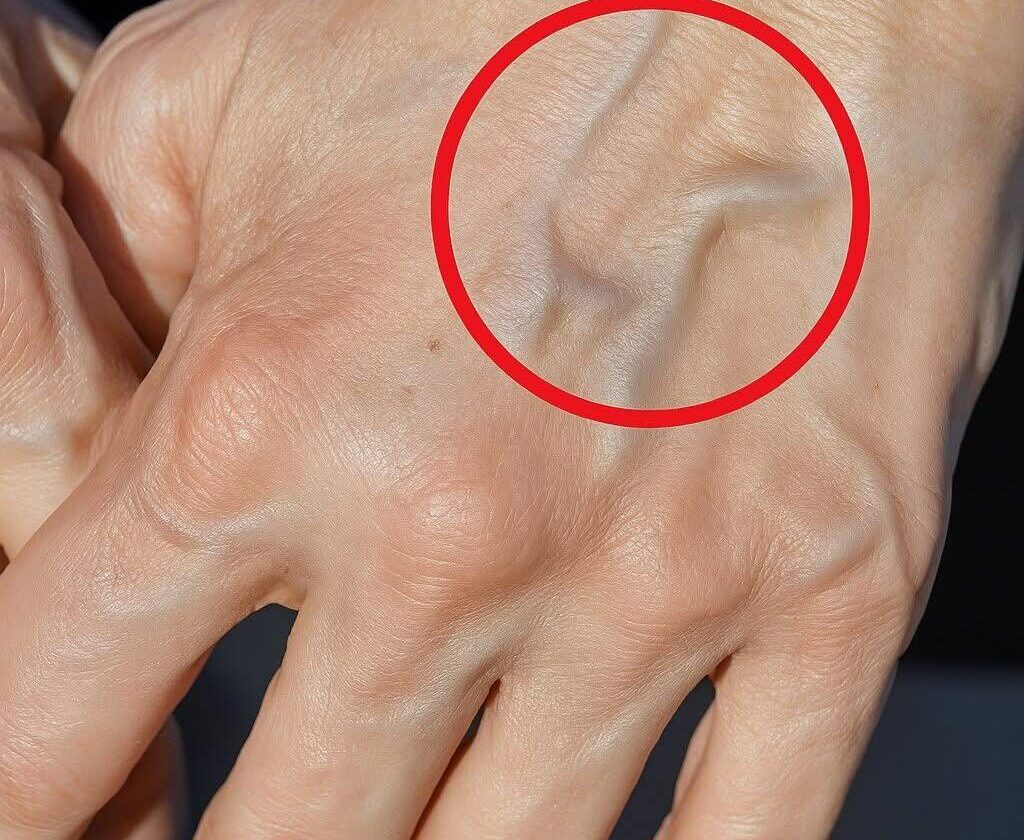
It’s common to notice visible veins on your hands, arms, or legs—especially if you’re lean, athletic, or aging. In many cases, these prominent veins are harmless, the result of low body fat, exercise, or genetics.
But sometimes, suddenly visible, bulging, or discolored veins can be more than just a cosmetic quirk. They can be early warning signs of underlying health issues—some of which are serious.Health Checkup Service
Here are five health conditions that can cause visible veins—and when you should worry.
Before We Start: What’s Normal?
Visible veins are common and usually harmless. You’re likely in the “normal” category if:
You’ve always had visible veins (genetics)
You have low body fat
You just finished exercising
You’re in a warm environmentVein Treatment Options
You’re over 50 and your skin has naturally thinned
The veins are symmetrical on both sides
There’s no pain, swelling, or skin changes
When to pay attention: Changes in vein appearance—especially if sudden, painful, or accompanied by other symptoms.
1. Varicose Veins
What they are: Enlarged, twisted veins that often appear dark purple or blue. They happen when valves in the veins weaken, allowing blood to pool instead of flowing back to the heart.Health
Where they appear: Most commonly in the legs and feet.
Symptoms:
Bulging, rope-like veins
Aching or heavy feeling in legs
Burning, throbbing, or muscle cramping
Itching around the vein
Swelling in feet and ankles
Skin discoloration or hardening around the vein
When to worry:
If they cause significant pain or discomfort
If skin becomes discolored or ulcerated
If veins bleed
If they interfere with daily activities
What to do: See your doctor. Treatment options range from compression stockings to minimally invasive procedures.Undergarments
2. Chronic Venous Insufficiency (CVI)
What it is: A condition where veins struggle to send blood back to the heart, causing blood to pool in the legs.
Why it matters: CVI is more serious than varicose veins alone and can lead to skin changes, ulcers, and other complications.
Symptoms:
Visible veins (varicose or spider veins)
Swelling in legs and ankles
Aching, heaviness, or fatigue in legs
Itching or tingling
Skin changes (thickening, discoloration, leathery texture)
Leg ulcers (in advanced stages)
When to worry:
If swelling doesn’t go down with elevation
If skin changes develop
If ulcers form
If symptoms worsen over time
What to do: See a vascular specialist. Early treatment can prevent progression.
3. Deep Vein Thrombosis (DVT)
What it is: A blood clot in a deep vein, usually in the leg. This is a medical emergency.
Symptoms:
Sudden swelling in one leg
Pain or tenderness (often described as cramping)
Warmth over the affected area
Red or discolored skin
Visible surface veins may become more prominent as the body tries to reroute blood
When to worry: IMMEDIATELY
DVT requires emergency medical attention. If the clot travels to the lungs (pulmonary embolism), it can be fatal.
Seek emergency care if:
You have sudden, severe swelling in one leg
You have chest pain or difficulty breathing
You cough up blood
You feel lightheaded or faint
What to do: Call emergency services or go to the ER immediately.
4. Superficial Thrombophlebitis
What it is: Inflammation of a vein just under the skin, usually with a small clot.
Symptoms:
A hard, cord-like vein
Redness and warmth along the vein
Tenderness or pain
Swelling in the area
When to worry:
If redness spreads
If you develop fever
If it occurs in multiple places
If you have risk factors for DVT
What to do: See your doctor. While often not as dangerous as DVT, it needs evaluation.
5. May-Thurner Syndrome or Venous Compression Syndromes
What it is: A condition where an artery compresses a vein, usually in the pelvis, affecting blood flow from the leg.
Symptoms:
Left leg swelling (most common)
Visible veins in the leg or pelvic area
Pain or heaviness
Skin changes
Increased risk of DVT
When to worry:
If you have persistent, unexplained swelling in one leg
If you develop varicose veins at a young age
If you have recurrent DVTs
What to do: See a vascular specialist. Imaging tests can diagnose compression syndromes.
Other Conditions That Can Cause Visible Veins
Pregnancy
Increased blood volume and hormonal changes can make veins more visible. Usually temporary.
Hormonal Changes
Estrogen affects vein walls. Menopause, birth control pills, or hormone therapy can affect vein visibility.
Aging
Skin naturally thins and loses elasticity, making veins more visible. This is normal.
Low Body Fat
Less fat means veins are closer to the surface. Common in athletes and naturally lean people.
Genetics
Some people simply have more visible veins. If your parents did, you probably will too.
Red Flags: When to See a Doctor
Symptom Action
Sudden swelling in one leg Emergency – seek care immediately
Sudden, severe pain in one leg Emergency – seek care immediately
Chest pain or difficulty breathing Emergency – call 911
Red, warm, tender cord-like vein See doctor promptly
Skin ulcers or discoloration See doctor
Veins that bleed See doctor
Persistent, unexplained vein changes Make an appointment
What Your Doctor Might Do
Physical exam – Looking at veins, checking for swelling
Ultrasound – Non-invasive test to check blood flow and rule out clots
Venogram – X-ray with contrast dye (less common)
Blood tests – To check for clotting disorders
Simple Ways to Support Vein Health
✅ Move regularly – Walking helps circulation
✅ Elevate your legs – Especially after long periods of standing
✅ Stay hydrated – Good hydration supports circulation
✅ Maintain healthy weight – Excess weight puts pressure on veins
✅ Wear compression stockings – If recommended by your doctor
✅ Avoid long periods of sitting or standing – Take breaks
✅ Exercise – Especially walking, swimming, or cyclingHealth
The Bottom Line
Visible veins are usually nothing to worry about. They’re often just a reflection of genetics, age, or temporary factors like exercise and heat.
But sometimes, they’re a signal. Sudden changes, especially when accompanied by pain, swelling, or skin changes, deserve attention.
Listen to your body. If something feels wrong—trust that feeling. And if you have any of the red flag symptoms, don’t wait.
Your veins are the highways of your circulatory system. Keep them healthy, and they’ll keep you healthy.