
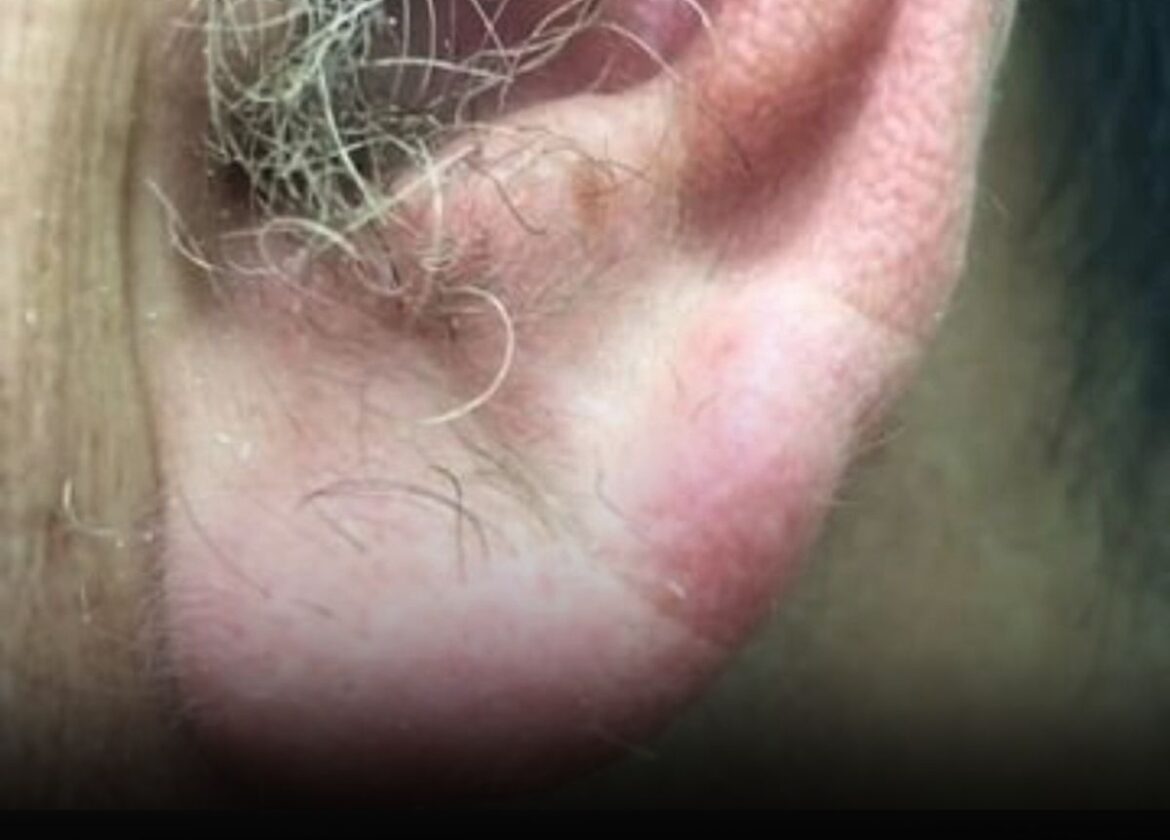
That wiry hair growing in your ears—especially as you age—is more than just a grooming nuisance. While often dismissed as a harmless part of aging, excessive or sudden ear hair growth can sometimes signal underlying health changes. Here’s what medical professionals actually say about this common yet overlooked trait.
🧓 Why Ear Hair Grows (Especially with Age)
Hormonal shifts: As men age, declining testosterone and rising estrogen-to-testosterone ratios can trigger hair growth in unexpected places—ears, nose, and eyebrows.
Genetics: If your father or grandfather had prominent ear hair, you’re more likely to develop it too.
Natural aging: Hair follicles become more sensitive to androgens over time, leading to coarser, darker hair in areas like the ears.
✅ Normal? Yes—for most men over 50, some ear hair is completely typical.
⚠️ When Ear Hair Might Signal a Health Issue
While usually benign, sudden, excessive, or asymmetric ear hair growth—especially when paired with other symptoms—could indicate:
1. Insulin Resistance or Prediabetes
A 2023 study in BMJ Open Diabetes Research & Care noted a correlation between earlobe hair (not canal hair) and higher risk of insulin resistance.
Theory: Androgen sensitivity linked to metabolic changes may stimulate hair follicles.
2. Hormonal Imbalances
Conditions like polycystic ovary syndrome (PCOS) in women or adrenal disorders can cause unusual hair growth (hirsutism), including in the ears.
In men, low testosterone can paradoxically increase hair in certain areas due to altered hormone metabolism.
3. Rare Genetic Syndromes
Extremely dense ear hair (hypertrichosis pinnae auris) runs in families (common in parts of India and Sri Lanka) but is otherwise rare and usually harmless.
❗ Key distinction: Hair inside the ear canal = normal aging. Hair on the outer ear/lobe + other symptoms = worth discussing with a doctor.
🩺 What Doctors Recommend
✅ If it’s cosmetic:
Trim regularly with nose/ear hair scissors or an electric trimmer (never pluck—risk of infection!).
Avoid waxing or laser without professional guidance—ear skin is thin and sensitive.
🚩 See a doctor if you notice:
Rapid hair growth alongside acne, balding, or weight gain
Hair growth in women (especially on face, chest, or ears)
Ear hair accompanied by fatigue, thirst, or frequent urination (signs of diabetes)
❤️ The Bottom Line
For most people, ear hair is simply a natural part of aging—like gray temples or reading glasses. It’s not dangerous, unhygienic, or a sign of poor health on its own.
But your body speaks in patterns. If ear hair appears alongside other changes, it might be a gentle nudge to check in with your health—not out of fear, but preventive care.
“Listen to your body—even when it’s whispering through your ears.”
So trim with confidence, but stay curious. Your health is worth both attention and peace of mind. 👂✨