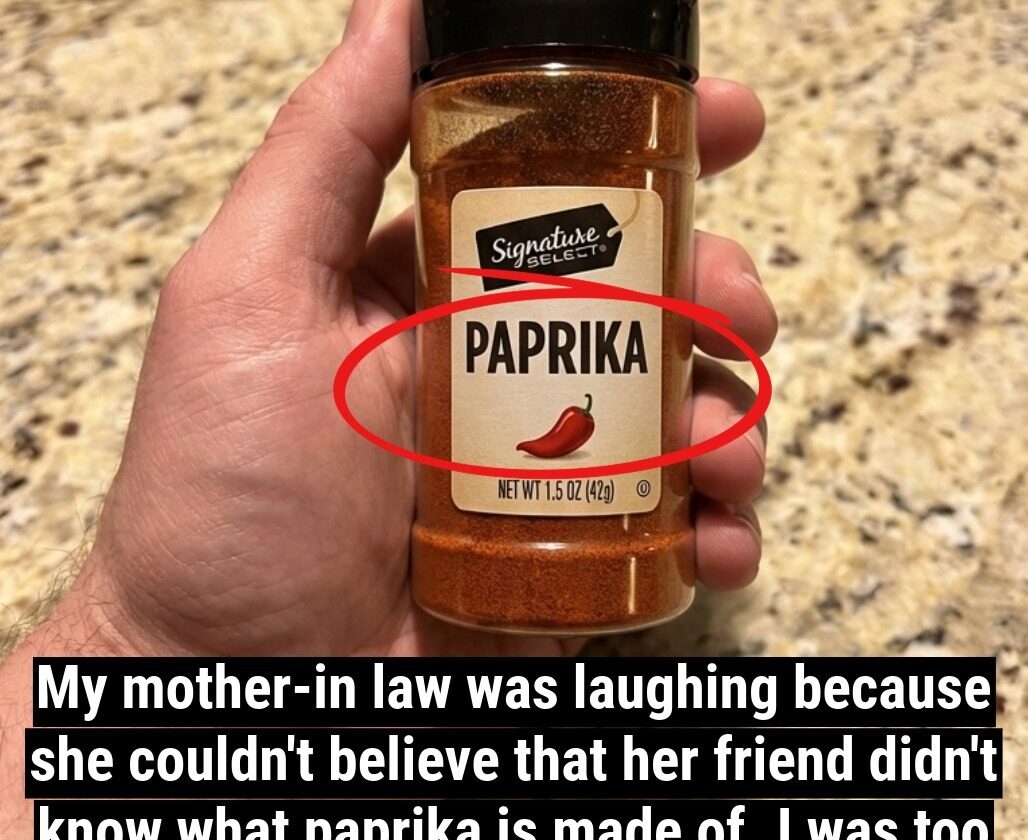
Open almost any spice cabinet and you’ll find it: a small jar of deep red powder labeled paprika. It’s a staple—sprinkled over deviled eggs, stirred into stews, dusted onto roasted potatoes for color. And yet, despite its ubiquity, a surprising number of people still aren’t quite sure what paprika actually is.
Some assume it’s an exotic blend of spices. Others think it’s artificially colored. A few even suspect it’s related to peppercorns. The truth is far simpler—and somehow more surprising.
Paprika is made from peppers.
Not mysterious peppers. Not rare peppers. Just peppers.
The Pepper Behind the Powder
Paprika comes from dried and ground varieties of Capsicum annuum, the same species that gives us bell peppers, jalapeños, and cayenne. The difference lies in the specific cultivars used and how they’re processed.
Most paprika is made from sweet red peppers that have been allowed to fully ripen. Once harvested, the peppers are dried—traditionally by air or smoke—then ground into a fine powder. That vibrant red color? Completely natural. It’s the concentrated pigment of ripe pepper flesh.
So in a way, paprika is simply bell pepper in powdered form—though certain varieties can be much more complex.
Why the Confusion?
Part of the mystery comes from paprika’s mild flavor. People expect something red and bold to taste fiery, but standard paprika is often sweet and gentle, with little to no heat. That subtlety makes it feel less like a pepper and more like a “color spice.”
Then there’s the labeling. Supermarket jars rarely explain the source ingredient. They say “paprika,” not “ground dried red peppers,” which makes it seem like a category unto itself rather than a single-ingredient spice.
To complicate matters, there are different styles:
To complicate matters, there are different styles:
Sweet Paprika – Mild and slightly fruity.
Hot Paprika – Made from spicier pepper varieties.
Smoked Paprika – Dried over wood fires, giving it a deep, smoky aroma.
Hungarian and Spanish Paprika – Regional styles with distinct flavor profiles and heat levels.
When people encounter smoked paprika, for example, they often assume it’s a blend because the flavor feels layered. In reality, the complexity comes from the drying process, not a mix of ingredients.
A Cultural Staple, Not a Mystery Blend
Paprika is central to Hungarian cuisine—think goulash—and essential in many Spanish dishes, where it’s known as pimentón. In these culinary traditions, paprika isn’t decorative; it’s foundational. It shapes the character of entire dishes.
In the United States, however, paprika is often relegated to garnish duty. A dash on top of potato salad for color. A light dusting for visual appeal. When a spice is used mostly for aesthetics, it’s easy to forget it has agricultural roots.
The Takeaway
Paprika isn’t synthetic. It’s not a blend of unrelated spices. It isn’t made from peppercorns.
It’s simply dried, ground red peppers—sometimes sweet, sometimes smoky, sometimes spicy.
The next time you reach for that red powder, you’re not adding mystery. You’re adding concentrated pepper flavor, centuries of culinary tradition, and a reminder that even the most familiar ingredients can still surprise us.
Sometimes the biggest kitchen misconceptions are hiding in plain sight—right there between the salt and the garlic powder.