What to Do If You Get Bitten
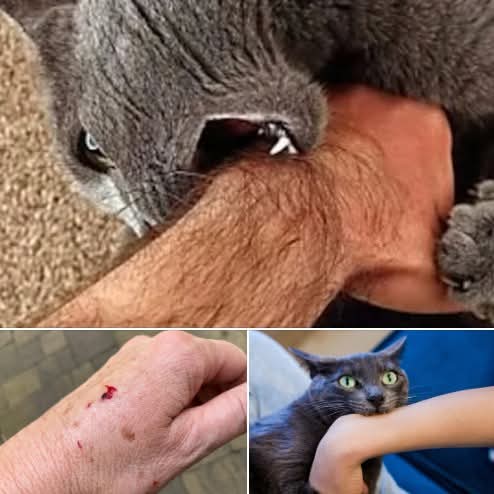
Even small cat bites can pose a risk. A cat’s sharp teeth can puncture the skin and introduce bacteria, potentially leading to infection.
Clean the bite immediately with soap and running water.
Apply an antiseptic.
Cover with a clean bandage.
If the bite becomes red, swollen, painful, or you develop a fever, seek medical attention.
Final Thoughts
The key is to pay attention to context and your cat’s body language. With awareness and understanding, you can strengthen your bond and create a safer, more connected relationship with your pet.
Anyone who’s shared their life with a cat knows just how delightfully quirky they can be. My old cat loved chasing mice, curling up beside me, and turning everything into a game. But every so often, out of the blue, he’d give me a little bite—not enough to hurt, but always enough to make me wonder: What was that about?
Does your cat ever bite you too? Here’s what it might actually mean:
Why Cats Bite: Understanding the Reasons
1. Playfulness
Cats are naturally curious and playful, and sometimes that playfulness comes with a nip or two. These gentle bites usually happen when a cat is overstimulated during play. While they aren’t meant to hurt (and usually don’t break the skin), they can still be surprising—and yes, a little painful.
2. Love Bites
Believe it or not, cats sometimes bite as a sign of affection. A soft nibble may be your cat’s way of saying, “I like you.” These gentle bites often happen when a cat is purring or enjoying being petted.
They may also be signaling: “I’m enjoying this interaction, but it’s becoming too much.” Affectionate nips can also be a subtle way of asking for food, more petting, or simply your attention.
3. Overstimulation
Just like people, cats can become overwhelmed. Too much petting, noise, or physical interaction can lead to sensory overload. When that happens, a quick bite may be their way of saying, “I need a break.” Watch for signs like twitching tails or flattened ears.
4. Fear or Stress
If a cat feels threatened, cornered, or scared, biting becomes a natural defense. It’s their way of protecting themselves—even if the threat isn’t obvious to you.
5. Pain or Discomfort
Sudden biting—especially from a normally calm cat—can be a warning sign. It may indicate pain or illness. If this behavior appears unexpectedly, consider checking with a vet.
6. Territorial Behavior
Cats are naturally territorial. If they feel like their space, favorite spot, or toy is being invaded, they might bite to assert control.
7. Kittens and Young Cats
Kittens love to bite during play—it’s how they learn boundaries. However, allowing them to bite your hands or feet can reinforce bad habits. Redirect their behavior toward toys to avoid problems later.
What to Do If You Get Bitten
Even small cat bites can pose a risk. A cat’s sharp teeth can puncture the skin and introduce bacteria, potentially leading to infection.
Clean the bite immediately with soap and running water.
Apply an antiseptic.
Cover with a clean bandage.
If the bite becomes red, swollen, painful, or you develop a fever, seek medical attention.
Final Thoughts
The key is to pay attention to context and your cat’s body language. With awareness and understanding, you can strengthen your bond and create a safer, more connected relationship with your pet.