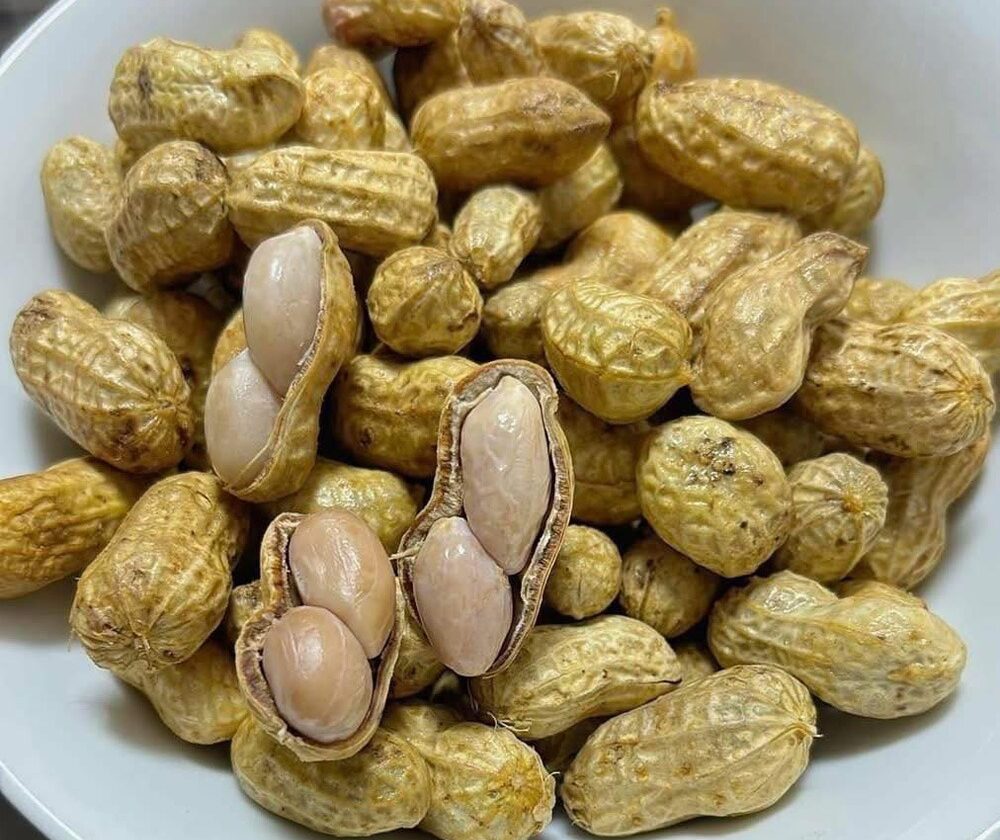
Peanuts are one of the most beloved snacks worldwide—crunchy, satisfying, and surprisingly nutritious. But what do doctors actually say about making peanuts a regular part of your diet? The answer is more nuanced than a simple “good” or “bad.”
Let’s explore what happens to your body when you eat peanuts regularly, who should be cautious, and how to enjoy them for maximum benefit.
The Nutritional Profile: Small Nut, Big Impact
One ounce (about 28 grams) of peanuts contains:
Nutrient Amount % Daily Value Benefit
Protein 7 g 14% Muscle maintenance, satiety
Healthy fats 14 g — Mostly monounsaturated (heart-healthy)
Fiber 2.4 g 10% Digestive health, blood sugar control
Niacin (B3) 4.2 mg 26% Energy metabolism, brain health
Vitamin E 2.4 mg 16% Antioxidant, skin health
Magnesium 49 mg 12% Muscle function, blood pressure
Manganese 0.6 mg 28% Bone health, metabolism
Folate 41 mcg 10% Cell growth, DNA synthesis
And all for about 160 calories per ounce.
What Doctors Say Happens When You Eat Peanuts Regularly
1. Your Heart Health May Improve
Despite their “high-fat” reputation, peanuts are rich in heart-healthy monounsaturated and polyunsaturated fats. Studies consistently show that regular peanut consumption is associated with:
Lower LDL (“bad”) cholesterol
Reduced triglycerides
Lower risk of heart disease
The research: A landmark study from Harvard found that people who ate nuts (including peanuts) daily had a 29% lower risk of dying from heart disease.
2. Your Blood Sugar May Stabilize
Peanuts have a low glycemic index and are rich in protein, fat, and fiber—all of which slow the absorption of carbohydrates. For people with diabetes or prediabetes, peanuts can be a smart snack choice.
The research: Studies show that eating peanuts can help prevent blood sugar spikes and improve insulin sensitivity.
3. Your Weight May Be Easier to Manage
This might seem counterintuitive—peanuts are calorie-dense, after all. But research consistently shows that nut consumption is associated with healthier body weight, not weight gain.
Why:
Protein and fiber increase satiety
Some calories may not be fully absorbed
Replacing less healthy snacks with peanuts reduces overall calorie intake
4. Your Brain Gets a Boost
Peanuts are rich in niacin (vitamin B3) and resveratrol, compounds linked to:
Improved cognitive function
Reduced risk of age-related cognitive decline
Protection against neurodegenerative diseases
5. Your Gallbladder May Benefit
A long-term study from Harvard found that women who ate peanuts frequently had a 25% lower risk of gallbladder disease.
The Important Caveats: Who Should Be Cautious?
1. Peanut Allergy – The Serious Risk
Peanut allergy is one of the most common and potentially life-threatening food allergies. For those with peanut allergy, even trace amounts can cause severe reactions, including anaphylaxis.
If you or a family member has a peanut allergy, complete avoidance is essential.
2. Aflatoxin Contamination
Peanuts can sometimes be contaminated with aflatoxins—toxic compounds produced by certain molds. Aflatoxins are carcinogenic and can cause liver damage with long-term exposure.
How to minimize risk:
Buy peanuts from reputable sources
Store peanuts in a cool, dry place
Discard any peanuts that look moldy or discolored
Roasted peanuts may have lower aflatoxin levels than raw
3. High Oxalate Content
Peanuts contain oxalates, which can contribute to calcium oxalate kidney stones in susceptible individuals. If you have a history of kidney stones, moderate your intake.
4. Calorie Density
While peanuts are healthy, they are also calorie-dense. A small handful (about 1 ounce) is a serving—not the whole jar. Mindful portion control matters.
5. Added Salt and Sugar
Many commercial peanut products are loaded with salt, sugar, and unhealthy oils. Plain, dry-roasted or raw peanuts are the healthiest choice.
How Many Peanuts Should You Eat?
For most people, a serving of 1 ounce (about 28 grams, or a small handful) per day is a healthy goal. This provides all the benefits without excessive calories.
Tips for portion control:
Buy individual 1-ounce snack packs
Use a small bowl instead of eating from the bag
Pair with fruit for a balanced snack
Raw vs. Roasted: Which Is Better?
Type Pros Cons
Raw No added oils or salt; retains all nutrients Slightly less flavorful to some
Dry-roasted Enhanced flavor; no added oils May still have added salt
Oil-roasted Very flavorful Adds calories from oil
Honey-roasted Delicious Adds significant sugar
Healthiest choice: Raw or dry-roasted with no added salt.
Delicious Ways to Enjoy Peanuts
Handful as a snack – Simple and satisfying
Peanut butter – Look for brands with just peanuts and salt
Chopped on salads – Adds crunch and protein
In stir-fries – Thai-inspired peanut sauce
Homemade trail mix – With dried fruit and dark chocolate
In savory African or Asian stews – Adds richness and depth
Ground into satay sauce – For chicken or tofu skewers
The Bottom Line
Doctors reveal that eating peanuts regularly can:
Support heart health
Stabilize blood sugar
Aid weight management
Boost brain function
Reduce gallbladder disease risk
But like any food, peanuts are not for everyone. Those with allergies must avoid them entirely. Others should choose plain, unsalted varieties and practice portion control.
A handful a day might just be one of the simplest, most delicious things you can do for your health—provided you’re among the majority who can enjoy them safely.