
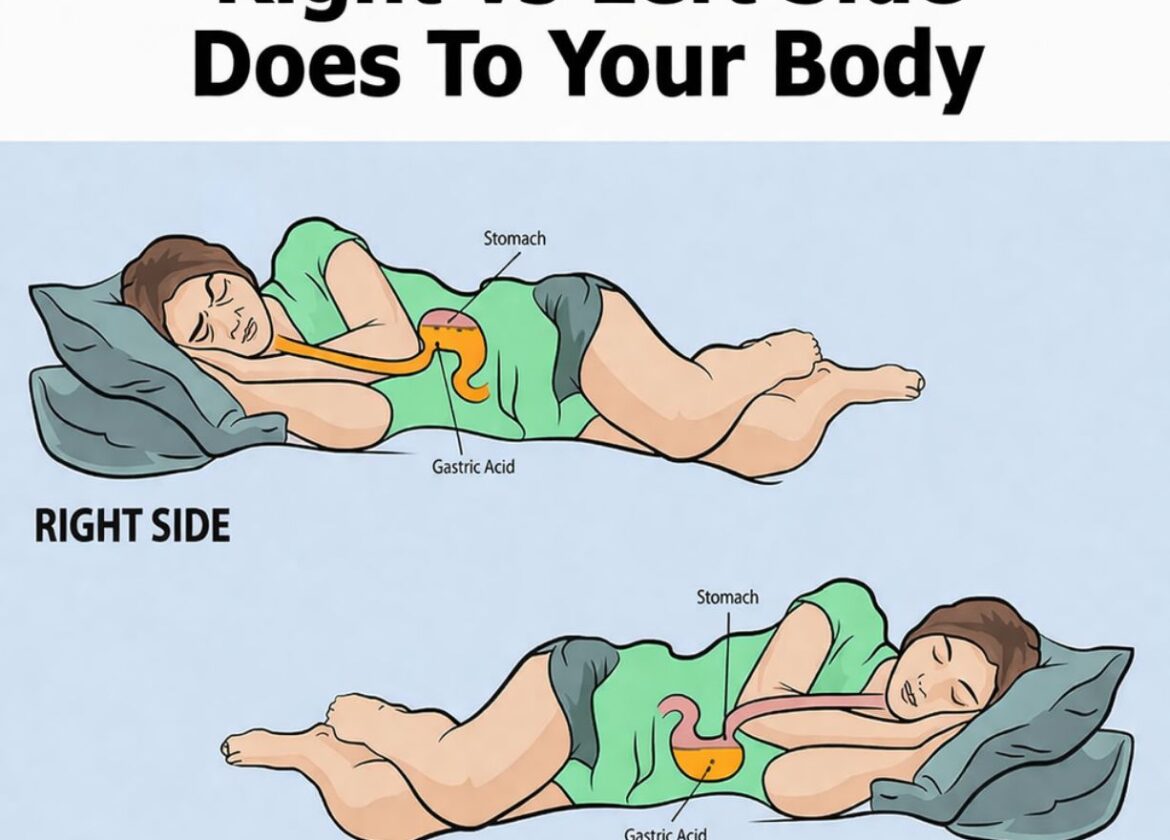
Sleep Experts Reveal the Best Sleeping Position for Back Pain, Neck Pain, and Better Health
Waking up tired after a full night of sleep can feel incredibly frustrating. You climb into bed hoping to recharge, only to wake up with a stiff neck, sore shoulders, lower back pain, or that lingering exhausted feeling that follows you all day.
For millions of Americans, the problem may not be how long they sleep — but how they sleep.
According to sleep experts and chiropractors, your sleep posture can have a major impact on your spine, breathing, circulation, joint health, and even your mental well-being. One of the biggest culprits behind morning aches and poor-quality sleep is something many people do every night without realizing the consequences: sleeping on the stomach.
The good news? Small adjustments to your sleeping position, mattress setup, and bedtime habits can dramatically improve sleep quality and reduce pain naturally.
Why Sleeping Position Matters More Than You Think
Most people focus on getting enough hours of sleep, but posture during sleep is just as important.
Your body spends roughly one-third of its life in bed. During those hours, your muscles relax completely, leaving your spine, joints, and ligaments vulnerable to strain if your body is poorly positioned.
When your neck twists unnaturally or your spine loses alignment for hours at a time, your body compensates by creating tension and inflammation.
Over time, poor sleep posture may contribute to:
- chronic neck pain
- lower back pain
- headaches
- shoulder tension
- numbness in arms or hands
- poor circulation
- snoring
- sleep apnea symptoms
- restless sleep
- fatigue
That’s why sleep specialists increasingly recommend side sleeping as one of the healthiest positions for long-term wellness.
Why Stomach Sleeping Can Be Harmful
Many people swear they can only fall asleep on their stomach. Unfortunately, experts say this is often the worst position for spinal alignment and deep sleep quality.
When you sleep on your stomach:
- your neck stays twisted for hours
- pressure increases on the lower spine
- breathing becomes more restricted
- joints and nerves experience extra stress
- circulation may become impaired
Because the head must turn sideways to breathe, stomach sleeping creates constant strain on the cervical spine. This tension often leads to morning stiffness, headaches, and shoulder pain.
Research also suggests stomach sleeping may increase restlessness and reduce sleep efficiency, making it harder to reach restorative deep sleep stages.
The Benefits of Sleeping on Your Side
Health experts consistently recommend side sleeping because it naturally supports healthier body alignment.
When done correctly, side sleeping helps:
- keep the spine aligned
- reduce pressure on joints
- improve airflow
- decrease snoring
- ease sleep apnea symptoms
- support healthy circulation
- reduce neck strain
According to many chiropractors and sleep specialists, side sleeping allows muscles and connective tissues to relax without placing excessive pressure on the spine.
For people struggling with chronic back pain or neck pain, this simple change can make a major difference.
Why Left-Side Sleeping Gets Extra Attention
Some studies suggest sleeping specifically on the left side may offer additional health benefits.
Left-side sleeping may help:
- improve circulation
- reduce acid reflux
- support digestion
- improve breathing during sleep
- promote blood flow during pregnancy
Pregnant women are often advised to sleep on their left side because it may help improve oxygen and nutrient flow to the baby while reducing pressure on major blood vessels.
How to Train Yourself to Sleep on Your Side
Changing sleep habits can feel surprisingly difficult because the body naturally returns to familiar positions overnight.
Fortunately, experts recommend a few simple tricks that can help retrain your posture naturally.
Use a Body Pillow
A body pillow helps stabilize your torso and prevents rolling onto your stomach during sleep.
It also provides extra support for:
- hips
- shoulders
- knees
- lower back
Many people notice reduced pressure and fewer nighttime awakenings after adding one.
Place a Pillow Between Your Knees
This small adjustment can make a huge difference for spinal alignment.
A pillow between the knees helps:
- reduce hip rotation
- keep the pelvis aligned
- lower pressure on the lower back
- reduce sciatic pain
For side sleepers with back discomfort, this is often one of the easiest and most effective improvements.
Your Pillow Height Matters More Than You Realize
One of the biggest sleep mistakes people make is stacking too many pillows under the head.
While it may feel comfortable initially, excessive elevation strains the neck and upper spine for hours.
Experts recommend keeping your head level with the mattress so the spine stays neutral.
A pillow that’s too high can create:
- neck stiffness
- shoulder tension
- headaches
- nerve compression
A supportive medium-height pillow is often the best choice for side sleepers.
The Mattress You Sleep On Could Be Ruining Your Rest
Even perfect sleep posture won’t help much if your mattress lacks support.
A mattress that sags too deeply can throw the spine out of alignment and increase pressure points throughout the body.
Signs your mattress may be affecting your sleep include:
- waking up stiff
- tossing and turning constantly
- numb arms or shoulders
- worsening back pain
- sleeping better in hotels or elsewhere
Sleep research has shown that supportive mattresses can improve overall sleep quality and reduce physical discomfort.
The best mattress is usually one that balances support with moderate cushioning.
Why Curling Into a Tight Ball Can Cause Problems
Many side sleepers naturally curl tightly into the fetal position.
While this can feel comforting emotionally, curling too tightly may restrict breathing and increase pressure on joints.
Experts suggest trying to keep the body relatively straight and relaxed instead of tightly folded.
This allows:
- better airflow
- healthier diaphragm movement
- improved circulation
- less joint compression
The Link Between Sleep and Mental Health
Poor sleep posture doesn’t only affect muscles and joints.
Chronic poor sleep can influence:
- mood
- stress levels
- memory
- concentration
- anxiety
- immune health
During deep sleep, the body releases important hormones responsible for tissue repair, healing, and recovery.
When sleep quality suffers consistently, physical fatigue often spills into emotional exhaustion.
People who sleep poorly may experience:
- irritability
- low motivation
- increased stress
- reduced energy
- poor self-image
That’s why improving sleep posture can sometimes improve overall quality of life far beyond reducing physical pain.
How Stress Impacts Sleep Position
Stress and anxiety often make people restless sleepers.
Tension stored in the body can cause:
- tossing and turning
- muscle clenching
- shallow breathing
- disrupted sleep cycles
Experts recommend calming the nervous system before bed with relaxing activities such as:
- reading a physical book
- taking a warm bath
- stretching gently
- meditation
- deep breathing
Reducing screen time before bed may also help improve sleep quality naturally.
Back Sleeping Can Also Be Healthy
While side sleeping is often considered ideal, sleeping on your back can also work well for many people.
Back sleeping may help distribute body weight evenly and reduce pressure on joints.
Experts suggest placing:
- one pillow under the head
- another pillow under the knees
This helps maintain the spine’s natural curve and reduce lower back strain.
Small Sleep Changes Can Make a Big Difference
The best part about improving sleep posture is that small adjustments often produce noticeable results quickly.
Simple changes like:
- switching sleep positions
- improving pillow support
- replacing an old mattress
- reducing stress before bed
can lead to:
- deeper sleep
- less pain
- better energy
- improved mood
- healthier posture
Final Thoughts
Sleep is one of the most powerful tools the body has for healing and recovery. But true rest depends on more than just the number of hours spent in bed.
The position you sleep in every night quietly shapes your spine, muscles, breathing, circulation, and overall health.
By making small intentional changes — especially transitioning away from stomach sleeping and improving side-sleep support — you may wake up feeling more rested, more comfortable, and far healthier over time.
Sometimes the path to better health begins with something as simple as changing the way you sleep.