
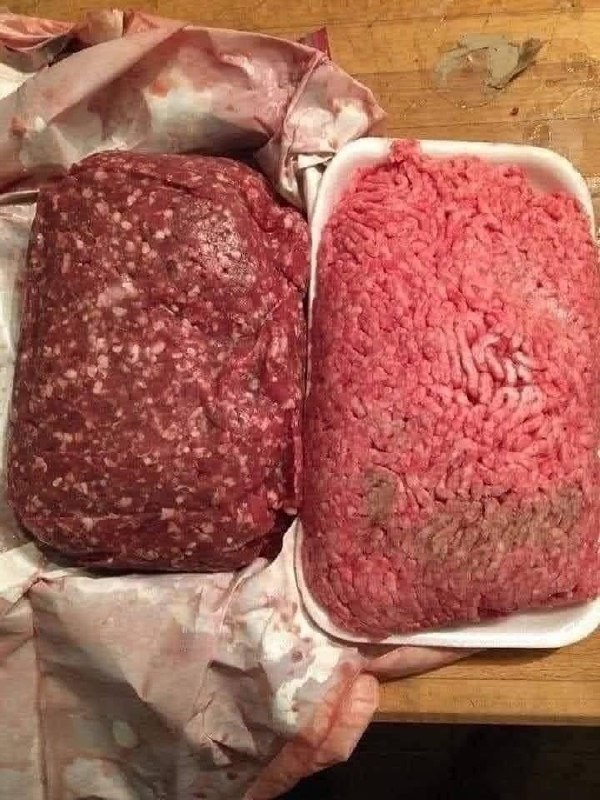
Store-Bought vs Farm-Raised Beef: Which Is Healthier, Tastier, and Better for Your Family?
Introduction
Choosing the food that ends up on your dinner table is one of the most personal decisions you make every day. From healthy eating goals to weight-loss meal planning, many Americans are paying closer attention to the quality of the meat they buy. One of the most common questions today is whether store-bought beef or farm-raised beef is the better option for a healthy lifestyle and balanced diet.
For many people—especially those who remember buying meat from a trusted local butcher—there is something special about beef raised on smaller farms. The flavor, texture, and transparency often feel closer to traditional food values. On the other hand, supermarket beef is convenient, affordable, and widely available, making it a popular choice for quick dinners and easy family recipes.
As interest in healthy recipes, high-protein meals, and sustainable food choices continues to grow, understanding the differences between supermarket beef and locally raised beef can help you make smarter decisions for your kitchen. Whether you prioritize nutrition, flavor, price, or convenience, knowing where your beef comes from gives you greater confidence in the meals you prepare for yourself and your family.
Why You’ll Love Learning About This Topic
• Helps you make healthier food choices for your family
• Understand the difference between grass-fed and grain-fed beef
• Learn how beef quality affects taste, nutrition, and cooking results
• Discover tips for meal prep with high-protein foods
• Make smarter grocery decisions that support your healthy lifestyle
The Quality and Taste of Your Beef
For many shoppers, taste is the first noticeable difference between store-bought beef and farm-raised beef.
People who have tried beef from smaller farms often describe the flavor as richer, fuller, and more traditional. It can remind them of the flavor they remember from years ago when buying meat directly from local farms or neighborhood butchers was more common.
Farm-raised beef—especially from family-owned farms—usually comes from cattle that spend much of their lives on pasture. Many of these animals start with a grass-fed diet and may later be finished with grains. This combination often creates beef with:
• richer marbling
• firmer texture
• deeper natural flavor
Supermarket beef is typically sourced from large-scale producers. These operations use feedlots designed to raise cattle quickly and efficiently. The cattle are usually fed a grain-heavy diet that encourages faster growth and consistent tenderness.
The result is beef that looks uniform and cooks predictably—qualities many shoppers appreciate for easy dinner recipes and quick meal prep.
However, some people feel supermarket beef lacks the complex flavor profile found in beef raised with more pasture access and varied diets.
Ultimately, taste comes down to personal preference—but many people notice the difference once they compare the two side by side.
How Diet and Environment Shape the Beef You Eat
The way cattle are raised plays a huge role in the quality and nutritional profile of the beef.
You may have seen terms like:
• grass-fed
• grain-finished
• pasture-raised
These labels describe how cattle were fed and where they spent most of their time.
Farm-Raised Cattle
Cattle raised on smaller farms typically have regular access to pasture, allowing them to move freely and graze naturally. This lifestyle can contribute to:
• leaner meat
• stronger flavor
• more natural texture
Many small farmers carefully manage feeding routines and herd health, which can influence the overall quality of the final product.
Store-Bought Beef
Beef sold in supermarkets usually comes from large production systems designed for efficiency and consistency. Feedlot cattle are fed controlled diets that encourage rapid growth.
This approach creates beef that is:
• consistent in appearance
• widely available
• affordable for most families
While convenient, it may not always offer the same flavor complexity or farming transparency that some consumers prefer.
The Experience of Buying Local Beef
For many people, purchasing farm-raised beef is about more than just food—it is about connection and trust.
When you buy directly from a farmer, you can often ask questions such as:
• How were the cattle raised?
• What did they eat?
• How long were they on pasture?
This transparency gives many shoppers confidence in the quality of their food.
Local farms also offer options like:
• buying beef in bulk
• freezer packages
• seasonal meat shares
These options can be helpful for meal prep and long-term food planning.
Supermarkets, on the other hand, provide unmatched convenience and accessibility. Most households rely on grocery stores because they offer:
• predictable pricing
• wide selection of cuts
• easy one-stop shopping
Both systems serve important roles in the modern food supply.
Price, Value, and What You Get for Your Money
One of the biggest differences between farm-raised and supermarket beef is price.
Local farm beef can sometimes cost more because smaller farms invest more time and resources into raising cattle. Their production scale is smaller, and their methods may involve more hands-on care.
However, many consumers feel the benefits justify the cost:
• fresher meat
• richer flavor
• greater transparency
Some families also save money by purchasing quarter or half-cow packages, which can significantly reduce the cost per pound.
Supermarkets keep prices lower through large-scale production and distribution systems. For many households, this makes store-bought beef a practical option for everyday meals.
Is This Beef Healthy?
Beef can absolutely be part of a healthy diet, especially when consumed in balanced portions.
Lean beef is a great source of important nutrients such as:
• protein
• iron
• vitamin B12
• zinc
These nutrients support muscle health, energy levels, and immune function.
Grass-fed beef is sometimes slightly lower in fat and may contain higher levels of certain beneficial fatty acids. However, both farm-raised and store-bought beef can fit into healthy eating plans, weight-loss diets, and high-protein meal prep routines when paired with vegetables, whole grains, and balanced portions.
The key is moderation and choosing quality cuts that fit your nutritional goals.
Calories & Nutrition (Estimated)
The exact nutritional value depends on the cut of beef, but here is an average estimate for a 3-ounce serving of lean cooked beef:
Calories: ~180–220
Protein: ~22–26g
Fat: ~10–12g
Carbohydrates: 0g
Because beef is naturally high in protein, it is often included in muscle-building diets, high-protein meal plans, and healthy dinner recipes.
Tips for Choosing the Best Beef
If you want the best possible results for your cooking, consider these helpful tips:
1. Look for marbling
Small streaks of fat improve tenderness and flavor.
2. Ask questions when buying local
Farmers are usually happy to explain how their cattle are raised.
3. Choose the right cut
Different cuts work better for grilling, roasting, or slow cooking.
4. Don’t overcook beef
Overcooking can make even high-quality beef tough.
5. Let steak rest before cutting
Resting allows juices to redistribute for better flavor.
Variations & Alternatives
If you want to explore different beef options, here are a few alternatives worth considering:
Grass-Fed Beef
Often leaner with a more pronounced flavor.
Organic Beef
Raised according to organic farming standards.
Local Butcher Cuts
Many butchers source from nearby farms and offer specialty cuts.
Bulk Freezer Beef
Buying directly from farms in bulk can lower the price per pound.
Frequently Asked Questions
Is farm-raised beef healthier than store-bought beef?
Both can be healthy choices. Farm-raised beef may contain slightly different fat profiles depending on the cattle’s diet, but overall nutrition is similar.
Can I buy farm-raised beef online?
Yes. Many farms now offer meat subscription boxes or direct shipping, making it easier than ever to purchase local beef.
What is the best way to store beef?
Fresh beef should be kept in the refrigerator and used within a few days. For longer storage, freezing is recommended.
Can beef be frozen?
Absolutely. Beef freezes very well and can be stored for 6–12 months when properly wrapped.
Is buying beef in bulk worth it?
Many families save money by purchasing quarter-cow or half-cow freezer packages from local farms.
You May Also Like
If you enjoy learning about healthy food choices, you may also like:
• Best High-Protein Dinner Ideas for Busy Weeknights
• Easy Healthy Meal Prep Recipes for the Week
• Grass-Fed vs Grain-Fed Beef Explained
• The Best Lean Protein Foods for Weight Loss
• Healthy Slow Cooker Beef Recipes
Final Thoughts
Both store-bought and farm-raised beef have their place in today’s kitchens. Supermarkets offer convenience and affordability, while local farms provide transparency and often a richer, more traditional flavor.
The best choice ultimately depends on your budget, cooking habits, and personal values. By understanding how beef is raised and where it comes from, you can make more confident decisions about the meals you prepare and share with the people you care about.
Good food starts with good ingredients—and knowing your options helps you bring the best possible meals to your table.
If you’d like, I can also help you turn this into a 3000+ word viral Pinterest article that can generate $20–$40 RPM AdSense revenue.