That weird little white lump you coughed up? Here’s everything you need to know — and exactly what to do about it.
If you’ve ever hacked up a tiny, foul-smelling white pellet from the back of your throat, you already know how unsettling that moment feels. You poke around in the mirror with a flashlight. You Google things you probably shouldn’t at midnight. And you wonder: Is this normal? Is something wrong with me?
Here’s the good news: you’re not alone, and you’re not “dirty.” Tonsil stones — medically called tonsilloliths — are one of the most common and least-talked-about oral health issues in adults. Millions of Americans deal with them every year, and most doctors don’t even bring them up unless you ask.
The bad news? If you’re prone to them, they will keep coming back — unless you understand exactly what causes them and how to stop them at the source. That’s what this guide is for. We’re going to walk through what tonsil stones really are, why they form, how to safely remove them at home, and — most importantly — how to prevent them long-term so they stop ruining your confidence and your breath.
Why You’ll Love This Guide
- Backed by real medical information — no vague advice or health myths
- Covers home remedies AND medical treatment so you can choose the right path
- Addresses the #1 embarrassment: chronic bad breath that won’t go away no matter how much you brush
- Includes a long-term prevention plan — not just a quick fix
- Written for everyday Americans who want clear, actionable answers without the medical jargon
What Are Tonsil Stones, Exactly?
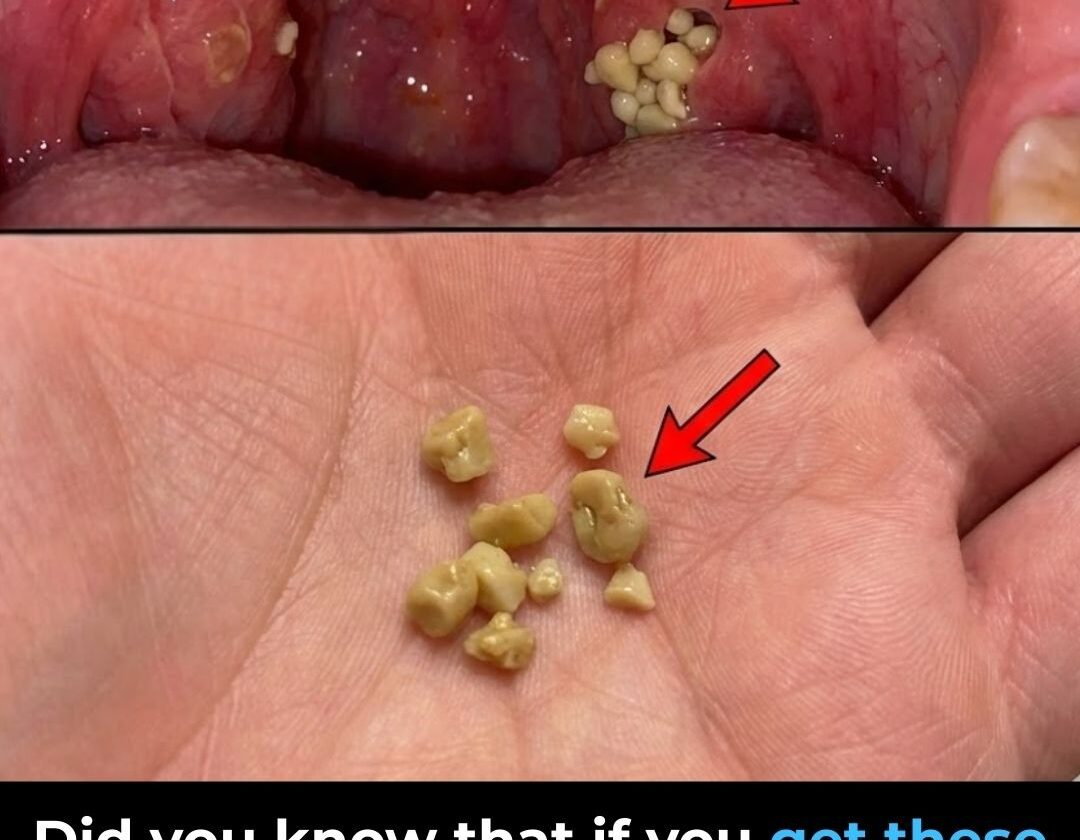
Tonsil stones are small, hardened formations that develop inside the natural folds and pockets of your tonsils — called tonsil crypts. They’re made up of a mix of:
- Dead white blood cells (the immune fighters your body sends to battle bacteria)
- Live and dead bacteria
- Mucus from postnasal drip
- Tiny food particles that get trapped
- Dead skin cells from the mouth and throat lining
Over time, this debris piles up inside the tonsil crypts and calcifies — essentially hardening into small, stinky little pellets.
The notorious smell comes from sulfur compounds produced when bacteria break down proteins in that trapped debris. It’s the same chemistry behind chronic bad breath — just concentrated into a tiny package.
Most tonsil stones are smaller than a pea. Some are barely visible. But the largest one ever recorded was roughly the size of a walnut — so yes, they can get surprisingly big if left untreated.
Why Do Tonsil Stones Keep Coming Back?
This is the question most people really want answered. If you keep getting tonsil stones, it’s almost always due to one or more of these factors:
1. Deep Tonsil Crypts Your tonsils are covered in natural folds that help trap pathogens. For some people, these crypts are deeper and more numerous — creating perfect little hiding spots for debris to collect.
2. Chronic Inflammation or Recurring Tonsillitis Frequent throat infections enlarge the crypts over time, making stone formation more likely with each episode.
3. Poor Oral Hygiene When bacteria thrive in your mouth, there’s more raw material available to get trapped in your tonsil crypts. Skipping brushing, tongue scraping, or flossing significantly increases your risk.
4. Postnasal Drip and Seasonal Allergies If you deal with chronic allergies, sinus issues, or year-round congestion, the excess mucus draining down your throat feeds directly into your tonsil crypts.
5. Dry Mouth Saliva naturally rinses and cleanses the throat. Dehydration, certain medications (like antihistamines or antidepressants), and mouth breathing all reduce saliva flow — letting debris linger longer.
6. Dairy Consumption For many people, dairy products (especially milk and cheese) increase mucus production, adding more raw material for stones to form.
Signs You Might Have Tonsil Stones
Many people don’t even know they have them. Tonsil stones often go undetected until they’re accidentally coughed up. Watch for these warning signs:
- Persistent bad breath that doesn’t improve no matter how much you brush — this is the #1 sign
- A constant sensation of something stuck in the back of your throat
- Mild difficulty swallowing or throat discomfort
- Ear pain (the tonsils share nerve pathways with the ears)
- Visible white or yellowish spots on your tonsils
- Chronic throat clearing or coughing
- A metallic or sour taste in your mouth
- Swollen or tender tonsils
How to Remove Tonsil Stones at Home (Safely)
⚠️ Safety first: Your tonsils are delicate, highly vascular tissue. Never use sharp objects. If something hurts or bleeds, stop immediately.
Method 1: Forceful Coughing
The simplest approach — and it works more often than you’d think. A strong, deliberate cough can dislodge visible stones without any tools at all.
Method 2: Cotton Swab
With clean hands, use a damp cotton swab to gently press on the tissue around the stone (not on the stone itself). The goal is to nudge it out of the crypt, not dig it out. Stop if you notice any bleeding.
Method 3: Low-Pressure Water Irrigation
Use a water flosser (like a Waterpik) on its absolute lowest setting. Aim gently at visible stones. The light water pressure can dislodge them without trauma. Never use high pressure — this can cause injury.
Method 4: Warm Salt Water Gargle
Mix ½ teaspoon of salt into 8 oz of warm water and gargle vigorously. This can loosen stones and soothe irritated throat tissue. It’s also a great post-removal step.
What NOT to Do
- No toothpicks, pins, or sharp objects — ever. This is how serious injuries happen.
- No aggressive digging — you’ll damage tissue and potentially create more crypt space for future stones.
- Don’t panic — tonsil stones are rarely dangerous on their own.
Is This Treatment Approach Healthy?
Yes — with important caveats. The at-home removal methods described above are widely considered safe for adults when performed gently. However, the real goal isn’t just removal — it’s prevention.
From a broader health perspective, tonsil stones themselves are not dangerous. They are not cancerous. They are not contagious. They are not a sign of serious illness.
However, they are linked to:
- Chronic bad breath (halitosis) — a condition that affects roughly 25% of Americans and has real quality-of-life and social consequences
- Recurring tonsillitis — in some cases, persistent stones can contribute to cycles of throat infection
- Oral microbiome imbalances — the same bacterial conditions that cause stones can affect your overall oral and gut health
Supporting your oral health and immune system through consistent hygiene, good hydration, and a balanced diet is the healthiest long-term approach to managing tonsil stones.
Nutrition & Oral Health: What You Should Know
There’s no specific “calorie count” for tonsil stones, but your diet plays a direct role in how frequently they form.
Foods that may increase tonsil stone risk:
- Dairy products (milk, cheese, yogurt) — increase mucus production
- Sugary foods and drinks — feed oral bacteria
- Alcohol — causes dry mouth and reduces saliva
- Highly processed foods — promote bacterial imbalance
Foods that support oral health and may reduce stone formation:
- Water (the single most important factor — stay hydrated)
- Crunchy raw vegetables — naturally scrub the back of the throat
- Probiotic-rich foods (yogurt in moderation, kefir, sauerkraut) — support a healthier oral microbiome
- Green tea — contains polyphenols with antibacterial properties
- Apples — old folklore (“an apple a day”) actually has some basis; the fibrous texture can dislodge debris naturally
Tips for Best Results: Long-Term Prevention
This is where most guides stop short. Removing a tonsil stone is easy. Preventing the next one is where the real work happens.
Build These Habits Into Your Daily Routine:
1. Meticulous Oral Hygiene Brush twice daily — and don’t skip your tongue, especially the back third where most bacteria live. Floss daily. Use an alcohol-free mouthwash. Consider a tongue scraper (they’re cheap and remarkably effective).
2. Gargle After Every Meal Warm salt water gargles after meals and before bed dislodge debris before it can settle into tonsil crypts and calcify. This single habit makes a dramatic difference for most people.
3. Stay Aggressively Hydrated Dry mouth is a tonsil stone’s best friend. Keep water nearby throughout the day. If you’re a mouth breather or sleep in a dry climate, use a humidifier at night.
4. Cut Back on Dairy in the Evening Many people prone to tonsil stones find that avoiding dairy — especially milk and cheese — in the two to three hours before bed significantly reduces stone formation.
5. Treat Allergies and Postnasal Drip If you have chronic congestion or seasonal allergies, treating them effectively (with antihistamines, nasal steroid sprays, or allergy immunotherapy) removes one of the biggest drivers of tonsil stone formation.
6. Quit Smoking Smoking irritates tonsil tissue, increases the debris load in your throat, and dries out your mucous membranes — all of which promote stone formation. This one change can have significant results.
7. Do Monthly Self-Checks Use a flashlight and mirror once a month to check for developing stones. Catching them early means easier removal and smaller formations.
Variations & Alternative Approaches
Not every approach works for every person. Here are some options worth exploring:
- Oil pulling (swishing coconut or sesame oil for 10–20 minutes) — some people report it reduces oral bacteria load significantly, though clinical evidence is limited
- Probiotic supplements — early research suggests that supplementing with oral-specific probiotics (like Streptococcus salivarius K12) may reduce the bacteria that contribute to stone formation
- Apple cider vinegar gargles — diluted ACV (1 tablespoon per 8 oz water) may help break down stone material over time; use sparingly as undiluted ACV can erode tooth enamel
- Nasal irrigation (Neti pot) — if postnasal drip is your primary driver, daily nasal rinsing can substantially reduce mucus drainage into your throat
- Chlorhexidine mouthwash — prescription-strength antibacterial rinses can be prescribed by a dentist for cases where bacterial overgrowth is severe; not recommended for long-term daily use
Frequently Asked Questions
Can I prevent tonsil stones permanently without surgery?
For many people, yes. Consistent oral hygiene, regular salt water gargles, staying hydrated, and managing allergies can dramatically reduce — or even eliminate — stone formation. That said, if your tonsil crypts are anatomically very deep, recurring stones may always be a possibility without surgical intervention.
Are tonsil stones a sign of something serious?
No. Tonsil stones are not cancer, not contagious, and not a sign of a serious underlying illness. They are a common anatomical quirk made worse by certain habits and conditions. However, if you notice stones accompanied by fever, significant swelling, severe pain, or difficulty breathing, see a doctor promptly — those symptoms suggest something beyond a tonsil stone.
What is the best way to store… wait — can I swallow tonsil stones?
Yes, and most people do without realizing it. Swallowing a tonsil stone is completely harmless. It’s just compressed oral debris — your digestive system handles it without issue. It might not be a pleasant thought, but there’s zero health risk.
Can tonsil stones cause ear pain?
Yes — and this surprises many people. The tonsils share nerve pathways with the ears (via the glossopharyngeal nerve), so a tonsil stone can refer pain to the ear even with no direct ear problem. If you have mysterious ear aching with no hearing issues or fluid, check your tonsils.
When should I see a doctor about tonsil stones?
See an ENT (ear, nose, and throat specialist) if: your stones are large, numerous, or deeply embedded; you’re having frequent tonsillitis episodes; stones are causing significant pain or swallowing difficulty; you’ve been consistent with prevention for months with no improvement; or the stones are severely affecting your quality of life and confidence.
When Medical Treatment Becomes the Right Choice
If home care and prevention aren’t enough, several medical options exist:
In-Office Removal: An ENT can safely remove stubborn or deeply embedded stones in a matter of minutes. It’s quick, painless, and immediately effective.
Laser Cryptolysis: A laser smooths out and partially seals the deep tonsil crypts, dramatically reducing the hiding spaces where debris accumulates. The tonsils are preserved. Recovery is minimal.
Coblation Cryptolysis: Similar to laser cryptolysis but uses radiofrequency energy. Also minimally invasive, also preserves the tonsils.
Tonsillectomy: Complete surgical removal of the tonsils — the only guaranteed permanent solution. Recovery takes 1–2 weeks and can be uncomfortable for adults. This option is generally reserved for cases with severe, recurrent stones that don’t respond to anything else, or where tonsil stones are accompanied by frequent tonsillitis.
You May Also Like
If you found this guide helpful, you might want to explore these related health topics:
- How to Get Rid of Bad Breath Permanently — The complete guide to halitosis: causes, treatments, and the daily routine that actually works
- Postnasal Drip: Why It Happens and How to Stop It — Especially relevant if sinus drainage is driving your tonsil stones
- Best Water Flossers of 2025 — Reviews and comparisons for the tool most commonly recommended for tonsil stone removal
- Signs You Need Your Tonsils Removed as an Adult — Everything you need to know about adult tonsillectomy: who it’s right for, what recovery looks like, and whether it’s worth it
- Natural Remedies for Chronic Sore Throat — Gentle, evidence-informed options for people dealing with ongoing throat discomfort
- Oral Probiotics: Do They Actually Work? — An honest look at the research on using probiotics to improve your oral microbiome
Final Thoughts
Tonsil stones are frustrating, embarrassing, and deeply annoying — but they are manageable. They are not a reflection of your hygiene habits, your character, or your health. They’re simply a quirk of anatomy that affects millions of Americans every year, most of whom suffer in silence because nobody talks about it.
The good news is that you have real options. Whether it’s building a consistent gargling habit, treating your allergies more aggressively, or finally having that conversation with an ENT — there is a path forward.
You don’t have to keep coughing up mystery pellets and hoping for the best. You don’t have to keep worrying about your breath before every close conversation. With the right information and a few small habit changes, most people see dramatic improvement within weeks.
Start simple. Gargle tonight. Drink more water tomorrow. And if the stones keep coming despite your best efforts — see a specialist. Your throat (and the people standing close to you) will thank you.
This article is for informational purposes only and does not constitute medical advice. Always consult a qualified healthcare provider for diagnosis and treatment of medical conditions.