Engaging Introduction
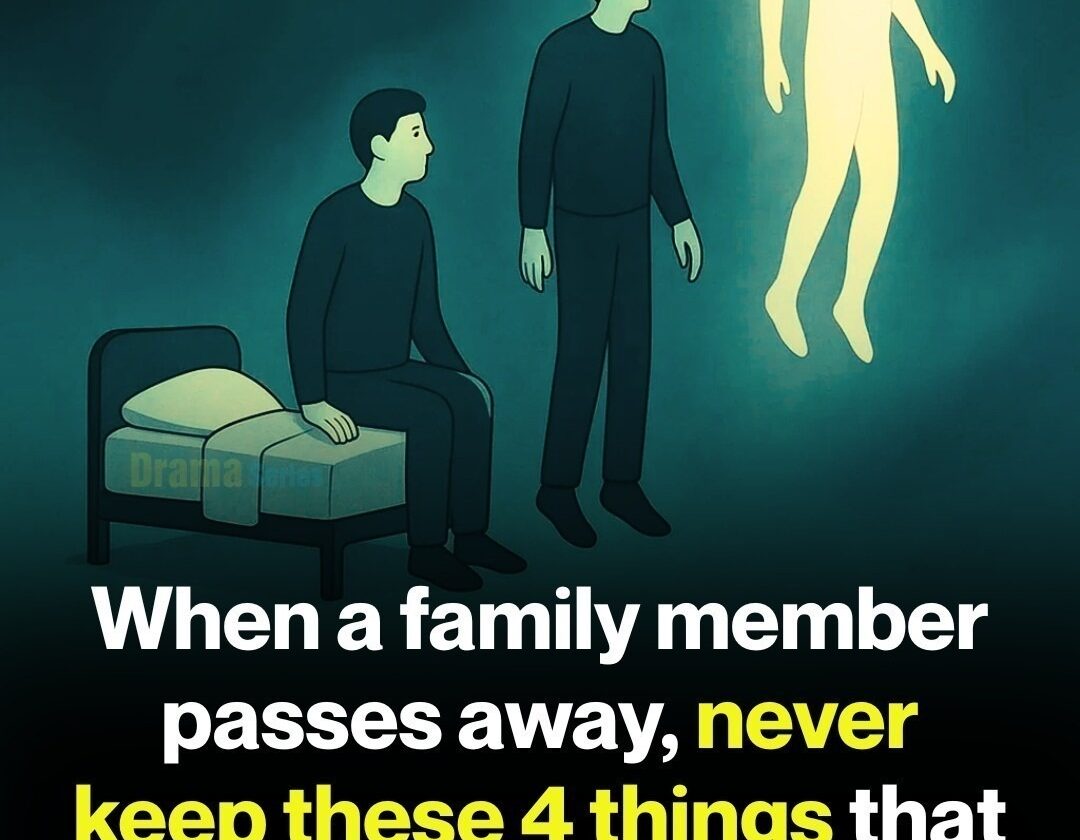
Losing someone we love is one of the hardest experiences in life. In the quiet days after a loss, we often find ourselves surrounded by their belongings—clothes, photos, everyday objects that suddenly feel filled with meaning. Each item can carry memories, emotions, and stories that make it difficult to decide what to keep and what to release.
For many people focused on healthy living, emotional wellness, and personal healing, learning how to manage these belongings becomes part of the grief journey. While keeping meaningful items can help preserve memories, holding onto everything can sometimes make the healing process harder. Just like decluttering our homes can support mental clarity, letting go of certain items can support emotional recovery.
Grief counselors often remind us that there are no strict rules when it comes to grief. What matters most is protecting your peace, honoring your loved one, and allowing yourself the space to heal. In this guide, we’ll gently explore four types of items that may be healthier to release, along with compassionate tips for navigating this emotional process.
(Perfect for readers seeking emotional wellness, healthy mindset habits, and mindful living.)
Why You’ll Love This Guide
• Offers compassionate advice for coping with grief
• Helps protect your emotional and mental well-being
• Encourages healthy healing and mindful decluttering
• Provides practical steps for managing belongings after loss
• Supports a balanced and healthy emotional recovery
The 4 Things to Consider Releasing (With Love)
1. Items Tied to Traumatic or Painful Final Moments
Some belongings can act as emotional triggers rather than comforting memories. For example:
- Hospital blankets
- Clothing worn during difficult illness
- Objects connected to accidents or painful events
While these items may feel significant, they can repeatedly bring back distressing memories rather than positive ones.
A gentle approach:
• Take a photograph of the item
• Write the story or memory connected to it in a journal
• Release the object while keeping the memory
This allows you to preserve the emotional connection without holding onto something that causes pain.
2. Expired Medications, Medical Supplies, or Safety Hazards
Many families keep medical supplies after a loved one passes away simply because they feel unsure what to do with them.
However, items such as:
- Expired medications
- Old prescriptions
- Medical equipment no longer needed
can become safety hazards, especially if there are children or pets in the home.
Healthier alternatives include:
• Asking a pharmacist about safe medication disposal
• Donating usable equipment like walkers or shower chairs
• Recycling or properly discarding expired items
Letting go of these items protects the health and safety of everyone in the home.
3. Unnecessary Legal or Financial Paperwork
After someone passes away, families often find large stacks of documents such as:
- Old bills
- Duplicate financial records
- Outdated contracts
- Old tax documents
Important paperwork like wills, insurance policies, and property documents should always be kept. But unnecessary paperwork can quickly become emotional clutter.
Helpful tip:
Keep important documents for the recommended 3–7 years, then shred anything no longer needed.
Organizing documents into a simple filing system can reduce stress and make it easier to manage important information.
4. Items Kept Only Out of Guilt or Obligation
This is one of the most common situations families experience.
Sometimes we keep objects simply because we feel we should, such as:
- Gifts from distant relatives
- Decorative items we never use
- Collections that hold no personal meaning
If an object lives in your home only because you feel guilty letting it go, it may be creating emotional weight rather than comfort.
Ask yourself:
Does this item bring me peace or pressure?
If it feels like a burden, consider donating it or passing it to someone who would truly appreciate it.
Remember, love is not stored in objects—it lives in your memories.
A Compassionate Framework for Sorting Belongings
If you feel ready to begin organizing items, this simple approach can help.
Create Five Categories
Keep for Me
Items that bring genuine comfort.
Share with Family
Objects other relatives may cherish.
Donate
Things that could benefit others.
Not Yet
Items you aren’t ready to decide about.
Release with Love
Objects that no longer support your healing.
Start small—perhaps one drawer or one box at a time.
Grief is not a race. Your healing deserves patience.
Is This Approach Healthy?
Yes. Many mental health professionals believe that intentional decluttering during grief can support emotional healing.
Letting go of certain items does not mean forgetting a loved one. In fact, creating a peaceful environment can help people:
- Reduce emotional stress
- Improve mental clarity
- Support healthier coping habits
- Focus on meaningful memories
Just like healthy lifestyle choices support physical wellness, emotional boundaries support mental wellness.
The goal is not to erase the past, but to create space for healing and healthy remembrance.
Emotional Wellness & Mental Health Benefits
Managing belongings after loss can have a powerful impact on emotional health.
Potential benefits include:
Reduced stress and anxiety
A less cluttered space often leads to a calmer mind.
Better emotional processing
Letting go intentionally allows grief to move forward.
Improved mental clarity
Organized spaces help reduce overwhelm.
Healthier grief recovery
Focusing on meaningful items strengthens positive memories.
These steps support a balanced emotional recovery, which is an important part of long-term mental wellness.
Tips for the Best Healing Process
Here are a few gentle tips to make the process easier.
Start Small
Choose one small area such as a drawer or shelf instead of tackling everything at once.
Invite Support
Friends and family often want to help but don’t know how. Let them assist with simple sorting tasks.
Take Breaks
Sorting belongings can bring up strong emotions. Give yourself permission to pause.
Focus on Meaning
Instead of keeping everything, choose items that truly reflect the person you loved.
Trust Your Feelings
If an item brings comfort, keep it. If it creates emotional weight, consider releasing it.
Your intuition is often the best guide.
Variations & Alternatives
Everyone processes grief differently. Here are a few thoughtful alternatives.
Create a Memory Box
Select a small number of special items and store them together.
Make a Photo Archive
Take photos of meaningful objects before donating them.
Share Keepsakes with Family
Giving items to relatives allows memories to be shared rather than stored away.
Turn Items into Memorial Pieces
Clothing can be turned into quilts or pillows to preserve sentimental value.
These approaches allow memories to live on while keeping your space peaceful.
Frequently Asked Questions
Can I sort belongings immediately after a loss?
Yes, but many experts recommend waiting until you feel emotionally ready. Some people need weeks, while others may need months.
Is it healthy to keep sentimental items?
Absolutely. Keeping a few meaningful items can bring comfort and connection. The key is choosing items that bring peace rather than stress.
What is the best way to store keepsakes?
Use labeled boxes, memory chests, or digital photo collections to organize important items safely.
What should I do with items other family members want?
Communicate early with family members. Sharing belongings respectfully helps preserve relationships and memories.
What if I regret letting something go?
Be kind to yourself. Grief can make decisions difficult. Even if an object is gone, the memory and love remain.
You May Also Like
If you found this guide helpful, you may also enjoy these topics:
• Healthy habits for emotional healing after loss
• Simple ways to reduce stress and improve mental wellness
• How to declutter your home for better mental health
• Creating a memory box to honor loved ones
• Mindful living tips for a healthier lifestyle
• Daily habits that support emotional well-being
Final Thoughts
Losing someone we love changes us forever. Their presence may no longer be beside us, but the memories they created continue to shape our lives.
Keeping meaningful items can be beautiful, but letting go of certain things can also be an act of love—both for your loved one and for yourself.
Grief does not follow a schedule. Move gently, listen to your heart, and allow yourself the time you need.
The most important thing to remember is this: love is never stored in objects. It lives in the memories, the lessons, and the moments that stay with us forever.