🐟 Easy Guide: Why Your Frozen Salmon Turns Yellow (Is It Safe to Eat?)
Engaging Introduction
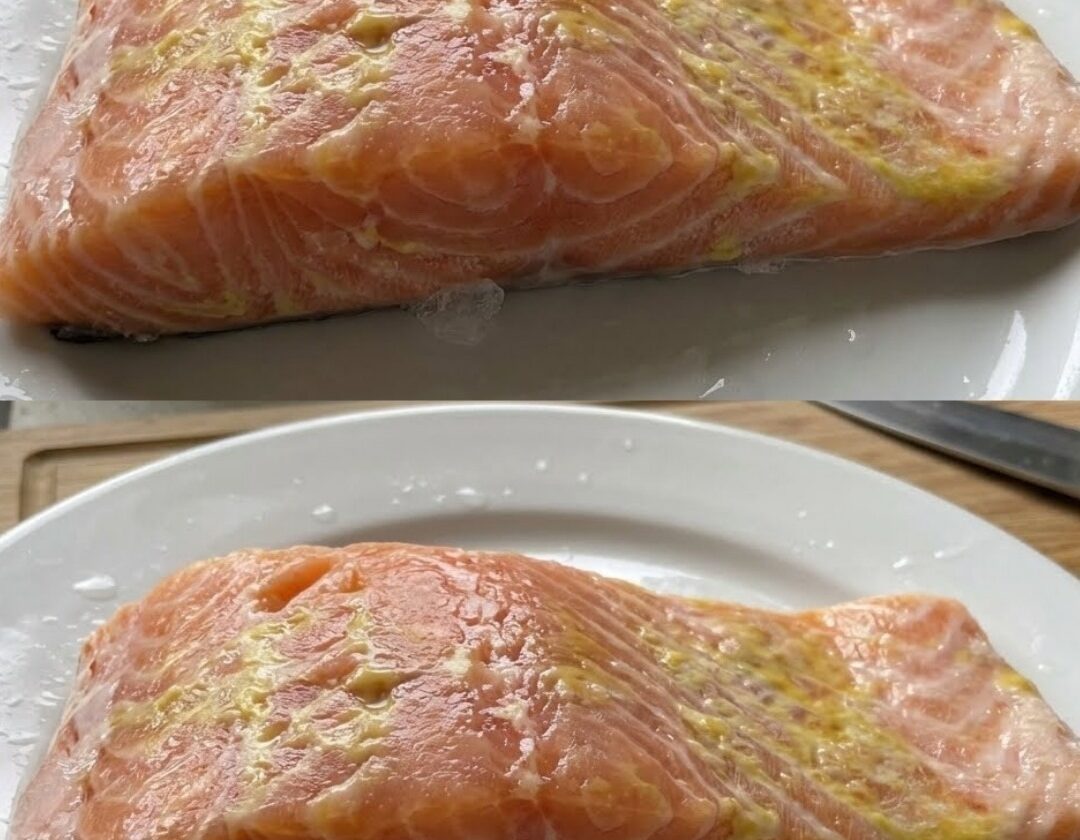
You pull a salmon fillet from the freezer, let it thaw carefully, and suddenly notice something strange—a yellowish or amber tint where you expected vibrant pink flesh. Your first thought might be panic: Did the fish spoil? Did I store it wrong? Should I throw it away?
If you’re trying to eat healthier, follow a high-protein diet, or cook quick healthy dinners, salmon is probably one of your go-to ingredients. It’s packed with omega-3 fatty acids, protein, and nutrients that support heart health and weight management. But that unexpected color change can make anyone hesitate before cooking.
The good news? A yellow tint on frozen salmon does not always mean the fish is spoiled. In many cases, it’s simply a natural reaction that happens during freezer storage. Understanding the difference between harmless discoloration and actual spoilage can help you avoid food waste, save money, and cook confidently.
Why You’ll Love This Guide
- ✔ Helps you avoid throwing away perfectly good salmon
- ✔ Explains food safety in simple terms
- ✔ Supports healthy eating and high-protein meal planning
- ✔ Helps reduce food waste and grocery costs
- ✔ Perfect for anyone who cooks quick healthy dinners at home
Ingredients
Not applicable — this is an informational food safety guide rather than a traditional recipe.
Instructions / Method
Not applicable — this article explains how to evaluate frozen salmon quality rather than cooking instructions.
🐟 The Real Reason Salmon Turns Yellow
The most common reason for yellow or amber patches on salmon is oxidized fat.
Salmon is naturally rich in healthy omega-3 fatty acids. These fats are incredibly beneficial for heart health, brain function, and anti-inflammatory support. However, they are also sensitive to air exposure, light, and long-term freezing.
What Is Oxidation?
Oxidation is a natural chemical reaction that occurs when fats react with oxygen. It’s similar to how a sliced apple slowly turns brown when exposed to air.
When salmon fat oxidizes, the color may shift from bright pink to:
- Yellow
- Amber
- Light brown
This change mostly affects appearance and flavor, not necessarily safety.
Oxidation Happens More Often When:
- Salmon is stored in the freezer longer than 2–3 months
- Fish is not vacuum-sealed
- Packaging allows air exposure
- The freezer temperature fluctuates
- The yellow color appears in fattier areas of the fish
Key takeaway: oxidation affects quality, not always food safety.
🟡 Yellow vs Pink: How to Tell If Salmon Is Safe
Not all discoloration is the same. Some color changes are harmless, while others signal spoilage.
Light Yellow or Amber Areas
Cause: Fat oxidation
Safe to eat? Yes, if there are no other spoilage signs.
Grayish or Brown Patches
Cause: Freezer burn or advanced oxidation
Safe to eat? Usually yes. Trim the affected parts.
Green, Black, or Fuzzy Spots
Cause: Mold or bacteria
Safe to eat? No. Discard immediately.
Slimy or Sticky Texture
Cause: Bacterial spoilage
Safe to eat? No.
Strong Sour or Ammonia Smell
Cause: Protein breakdown
Safe to eat? No.
Pro Tip: Your nose and touch are more reliable than color alone.
🔍 The 4-Step Safety Check
Before deciding whether to cook or toss your salmon, run through this quick checklist.
1. Smell Test
Fresh salmon should smell:
✔ Clean
✔ Slightly salty
✔ Like the ocean
Spoiled salmon smells:
✖ Strongly fishy
✖ Sour
✖ Like ammonia
2. Touch Test
Fresh salmon should feel:
✔ Firm
✔ Slightly moist
✔ Springy when pressed
Spoiled salmon feels:
✖ Slimy
✖ Sticky
✖ Mushy
3. Visual Inspection
Safe discoloration:
✔ Light yellow tint in fatty areas
Unsafe signs:
✖ Mold
✖ Green or black spots
✖ Strange surface patches
4. Freezer Storage History
Good storage:
✔ Frozen under 3 months
✔ Vacuum sealed or tightly wrapped
✔ Stored at 0°F (-18°C)
Risky storage:
⚠ Frozen longer than 6 months
⚠ Poor wrapping
⚠ Frequent thaw cycles
Is This Salmon Healthy?
Salmon remains one of the healthiest protein sources you can eat.
It is widely recommended in healthy diets, weight loss plans, and meal prep programs because it provides:
- High-quality lean protein
- Heart-healthy omega-3 fatty acids
- Vitamin D
- B vitamins
- Selenium
Eating salmon regularly may support:
- Heart health
- Brain function
- Muscle recovery
- Healthy weight management
Even if slight oxidation occurs during freezing, the fish still retains many of its nutritional benefits, making it a great option for high-protein healthy meals.
Calories & Nutrition (Estimated)
A typical 4-ounce salmon fillet contains approximately:
- Calories: 230
- Protein: 25 g
- Fat: 14 g
- Omega-3 fatty acids: High
- Carbohydrates: 0 g
Because salmon is rich in protein and healthy fats, it helps you stay full longer, which can support weight loss and balanced eating.
What to Do If Your Salmon Is Only Oxidized
If your salmon passes the safety checks but shows mild yellowing, you can still enjoy it.
Trim Discolored Areas
Cut away yellow or dull sections, especially near the edges or belly.
The inner flesh is often still fresh and vibrant.
Use Flavorful Marinades
Oxidation may slightly dull flavor, so adding bold marinades can help.
Try ingredients like:
- Lemon or lime juice
- Fresh herbs (dill, parsley, thyme)
- Garlic
- Soy sauce
- Miso
- Capers
These ingredients restore brightness and depth.
Cook With Moisture
Gentle cooking methods improve texture.
Good options include:
- Baking in parchment paper
- Poaching in broth
- Pan-searing with butter
- Oven roasting with vegetables
Avoid extremely high heat that can burn oxidized fats.
Tips for Best Results
To keep your salmon fresh and flavorful:
✔ Freeze salmon as soon as possible
✔ Remove excess moisture before freezing
✔ Wrap tightly in plastic wrap
✔ Add a second protective layer (foil or freezer bag)
✔ Vacuum seal when possible
✔ Label packages with the date
Also store fish in the coldest part of your freezer, not the door.
Variations & Substitutions
Even if salmon quality declines slightly from freezer storage, it can still work well in many dishes.
Try using it in:
- Salmon pasta
- Salmon rice bowls
- Healthy meal prep salads
- Baked salmon with vegetables
- Salmon tacos
- Protein-rich grain bowls
These dishes help balance flavor while keeping meals nutritious and satisfying.
Frequently Asked Questions
Can I eat salmon that has been frozen for 6 months?
Possibly. If it was stored properly and shows no signs of spoilage, it may still be safe. However, quality and flavor decline after about 3 months.
Is yellow salmon always bad?
No. Yellow areas are often caused by fat oxidation, which affects color and flavor but not always safety.
What is the best way to store salmon in the freezer?
Wrap it tightly, vacuum seal if possible, and store it at 0°F (-18°C). Use it within 2–3 months for best quality.
Can I refreeze thawed salmon?
Yes, but only if it thawed in the refrigerator and was never left at room temperature longer than 2 hours.
Does cooking spoiled salmon make it safe?
No. Cooking kills many bacteria but does not destroy toxins produced by spoilage bacteria.
You May Also Like
If you enjoy learning about healthy foods and meal prep, you might also like:
- Easy Baked Salmon for Quick Weeknight Dinners
- Healthy High-Protein Salmon Meal Prep Bowls
- Garlic Butter Lemon Fish Recipe
- Best Oven-Roasted Vegetables for Healthy Meals
- Quick Mediterranean Salmon Dinner
- Healthy Omega-3 Rich Seafood Recipes
Final Thoughts
Seeing yellow on your thawed salmon can be alarming—but it doesn’t always mean the fish has gone bad. In many cases, it’s simply a result of natural fat oxidation during freezer storage.
By doing a quick smell test, touch test, and visual check, you can confidently decide whether to cook the fish or discard it. Learning these simple food safety skills helps you reduce food waste, save money, and maintain a healthy high-protein diet.
With proper storage and a little kitchen awareness, your salmon can stay fresh, delicious, and nutritious every time you pull it from the freezer. 🐟✨