Gallbladder removal surgery—known medically as Cholecystectomy—is one of the most common procedures performed worldwide. If you or someone you love has had this surgery, it’s completely natural to wonder how the body will adjust afterward.
The reassuring news? Most people recover smoothly and go on to live healthy, normal lives. Your body is incredibly adaptable. Even without a gallbladder, your digestive system continues to function—it just does things a little differently.
Understanding these changes can help you feel more confident about recovery, improve digestion, and support healthy eating habits moving forward. In this guide, we’ll walk through what happens in your body after gallbladder removal, what symptoms are normal, and how to support your digestion with simple nutrition and lifestyle tips.
Why You’ll Love This Guide
- ✔ Explains digestive changes after gallbladder removal in simple terms
- ✔ Helps reduce anxiety with clear, practical advice
- ✔ Includes healthy eating tips for recovery and weight loss
- ✔ Perfect for meal prep planning and balanced nutrition
- ✔ Offers guidance on when to seek medical support
Ingredients
(No ingredients are required for this informational article.)
Instructions / Method
(No cooking instructions apply to this educational guide.)
What the Gallbladder Actually Does
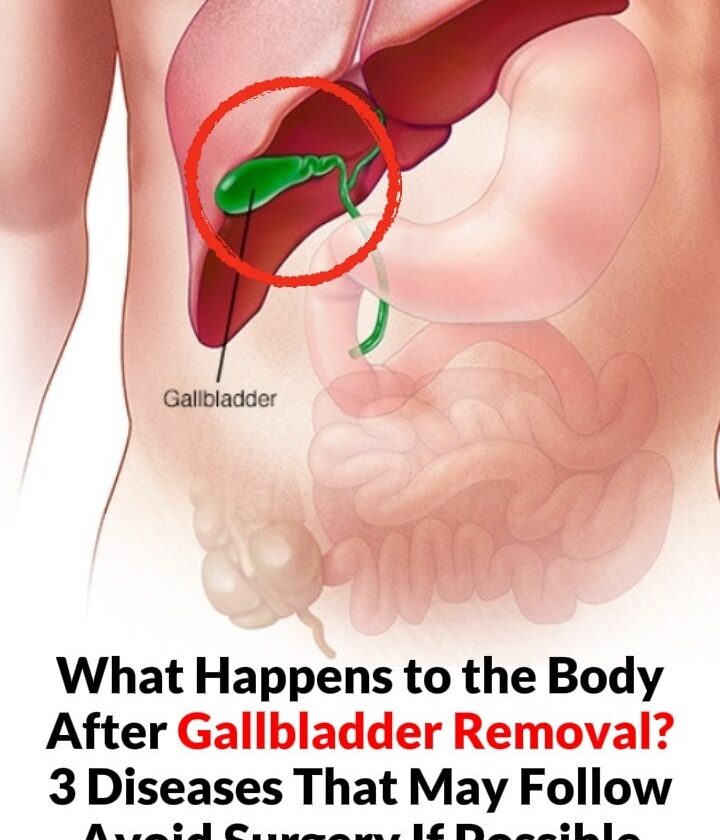
The gallbladder is a small, pear-shaped organ that sits just beneath your liver. Its main job is to store and concentrate bile, a digestive fluid produced by the liver.
Bile plays an important role in breaking down dietary fat so your body can absorb nutrients like vitamins A, D, E, and K.
When you eat a fatty meal, the gallbladder releases a burst of bile into your small intestine to help digestion.
After gallbladder removal:
- Your liver still produces bile
- Bile flows continuously into the intestines
- Fat digestion happens more gradually
This change is subtle but explains many of the digestive adjustments people experience after surgery.
Common Body Changes After Gallbladder Removal
1. Digestive Adjustments
The most common change involves how your body processes fat.
Without the gallbladder storing bile:
- Bile flows continuously instead of being released in bursts
- Very fatty meals may feel harder to digest
- Some people notice looser stools after high-fat foods
This is normal and usually improves as your digestive system adapts.
2. Temporary Bowel Changes
About 10–25% of patients experience temporary diarrhea after surgery.
This condition is often called post-cholecystectomy bile acid diarrhea.
Common symptoms include:
- Loose stools
- Urgency after meals
- Mild digestive discomfort
For most people, this improves within a few weeks to a few months.
3. Short-Term Recovery Symptoms
During the first few weeks after surgery, you may notice:
- Mild abdominal soreness
- Bloating or gas
- Temporary appetite changes
- Fatigue while healing
These symptoms are typical as your body recovers.
4. Long-Term Adaptations
Months after surgery, most people feel completely normal.
However, some individuals may notice:
- Increased sensitivity to fried or greasy foods
- Occasional loose stools after rich meals
- Better digestion with smaller, more frequent meals
These are simply signals to adjust your diet—not signs that something is wrong.
Is This Healthy?
Yes—living without a gallbladder can still be part of a healthy lifestyle and balanced diet.
In fact, many people use recovery as an opportunity to adopt healthier eating habits such as:
- Choosing lean proteins
- Reducing fried foods
- Increasing fiber intake
- Practicing mindful eating
These changes often support weight loss, heart health, and improved digestion.
A gallbladder is helpful but not essential for survival, and millions of people live healthy lives without one.
Calories & Nutrition
While this article isn’t a recipe, the foods you eat after surgery can affect digestion and energy levels.
A balanced recovery diet typically includes:
- Protein: chicken, fish, eggs, tofu
- Carbohydrates: whole grains, oats, rice
- Healthy fats: avocado, olive oil, nuts (in moderation)
- Fiber: fruits, vegetables, beans
Example balanced meal: