Introduction
Healthy teeth are about much more than a bright smile—they’re a key part of your overall health and daily comfort. Cavities, gum disease, and tooth sensitivity can affect everything from how you eat to how you speak. While brushing, flossing, and regular dental visits remain the foundation of good oral care, certain simple habits using everyday kitchen ingredients can also help support a healthier mouth.
Many people search for natural ways to protect their teeth, but not all popular “home remedies” are safe. Some trending solutions can actually damage enamel or irritate gums if used incorrectly. That’s why it’s important to focus on science-supported habits that work alongside proper dental care, not instead of it.
Below are five simple, natural practices that may help reduce harmful bacteria, support enamel strength, and promote better oral hygiene—while also highlighting a few common myths to avoid.
(Ad placement opportunity after introduction)
Why Natural Oral Health Habits Matter
Small daily habits can make a big difference in preventing cavities and protecting your smile.
Here’s why these natural approaches are worth considering:
- They help support healthy bacteria balance in the mouth
- Many promote saliva production, which protects enamel
- Several foods contain minerals that strengthen teeth
- They’re simple, affordable, and easy to add to daily routines
- They work as supplements to brushing and flossing
Remember: these habits help support oral health—but they don’t replace professional dental care.
1. Oil Pulling with Coconut Oil (Promising Evidence)
How to do it
- Swish 1 tablespoon of virgin coconut oil in your mouth for 10–15 minutes
- Spit it out afterward (never swallow)
- Rinse and brush normally
Why it may help
Coconut oil contains lauric acid, which has antimicrobial properties that may reduce harmful bacteria in the mouth.
What research suggests
A 2015 study found oil pulling helped reduce plaque and gingivitis levels similarly to chlorhexidine mouthwash over a 30-day period.
Important note:
Oil pulling does not reverse cavities but may support overall oral hygiene.
2. Drink Green Tea for Antioxidant Protection
Unsweetened green tea may support dental health thanks to its powerful plant compounds.
Benefits of green tea
- Contains catechins, which may suppress harmful bacteria
- Helps reduce inflammation in gums
- May improve bad breath
- Supports enamel protection
Drinking one to two cups of unsweetened green tea daily can be a simple way to support both oral health and general wellness.
(Ad placement opportunity mid-content)
3. Crunchy Fruits and Vegetables Act Like a Natural Tooth Cleaner
Certain fresh foods can act like a gentle natural toothbrush.
Examples include
- Apples
- Carrots
- Celery
- Cucumbers
Their crunchy, fibrous texture helps:
- Gently clean the surface of teeth
- Stimulate the gums
- Increase saliva production
Saliva is extremely important because it neutralizes acid and helps remineralize enamel.
Adding raw fruits and vegetables to your meals and snacks can support both oral and digestive health.
4. Cheese and Dairy Help Strengthen Enamel
Dairy products play an important role in protecting teeth.
Why cheese is helpful
Cheese contains:
- Calcium
- Phosphate
- Casein proteins
These nutrients help rebuild and strengthen tooth enamel while also neutralizing acid in the mouth.
Studies show that eating a small piece of cheese after meals can raise the pH level in the mouth, reducing the risk of tooth decay.
Other beneficial dairy options include:
- Milk
- Yogurt
- Swiss cheese
- Cheddar cheese
5. Maintain Healthy Mouth pH
One of the biggest factors in cavity formation isn’t just sugar—it’s acid exposure.
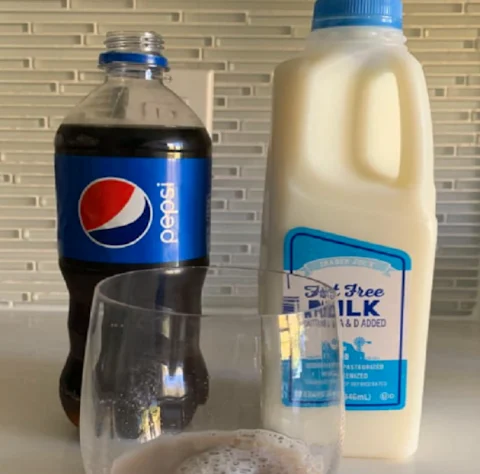
Sugary or acidic beverages can significantly lower the pH level in your mouth.
Examples include:
- Soda
- Fruit juice
- Sports drinks
- Energy drinks
When mouth pH becomes too acidic, enamel begins to break down and weaken.
Simple habits to protect enamel
- Drink water after meals
- Finish meals with cheese or dairy
- Chew sugar-free gum with xylitol
Xylitol gum stimulates saliva production and may help reduce cavity-causing bacteria.
(Ad placement opportunity before myth section)
Natural Remedies to Avoid (Common Myths)
Not every natural remedy is safe for your teeth. Some popular trends can actually damage enamel.
| Remedy | Why It’s Risky |
|---|---|
| Lemon juice or vinegar rinses | Extremely acidic and can permanently erode enamel |
| Activated charcoal toothpaste | Very abrasive and may scratch enamel |
| Undiluted hydrogen peroxide rinses | Can irritate gums and increase sensitivity |
| Daily baking soda brushing | Too abrasive for everyday use |
Important fact:
Tooth enamel cannot regenerate once it is lost, so protecting it is essential.
The Real Secret to Preventing Cavities
Many people believe sugar alone causes cavities, but the real issue is how long acids stay in contact with teeth.
Frequent snacking or sipping sugary drinks prevents saliva from restoring a healthy pH balance.
Better habits include:
- Eating structured meals instead of constant snacking
- Drinking water between meals
- Limiting sugary beverages
- Using fluoride toothpaste
Fluoride helps strengthen enamel and can remineralize early stages of tooth decay.
Frequently Asked Questions
Can natural remedies cure cavities?
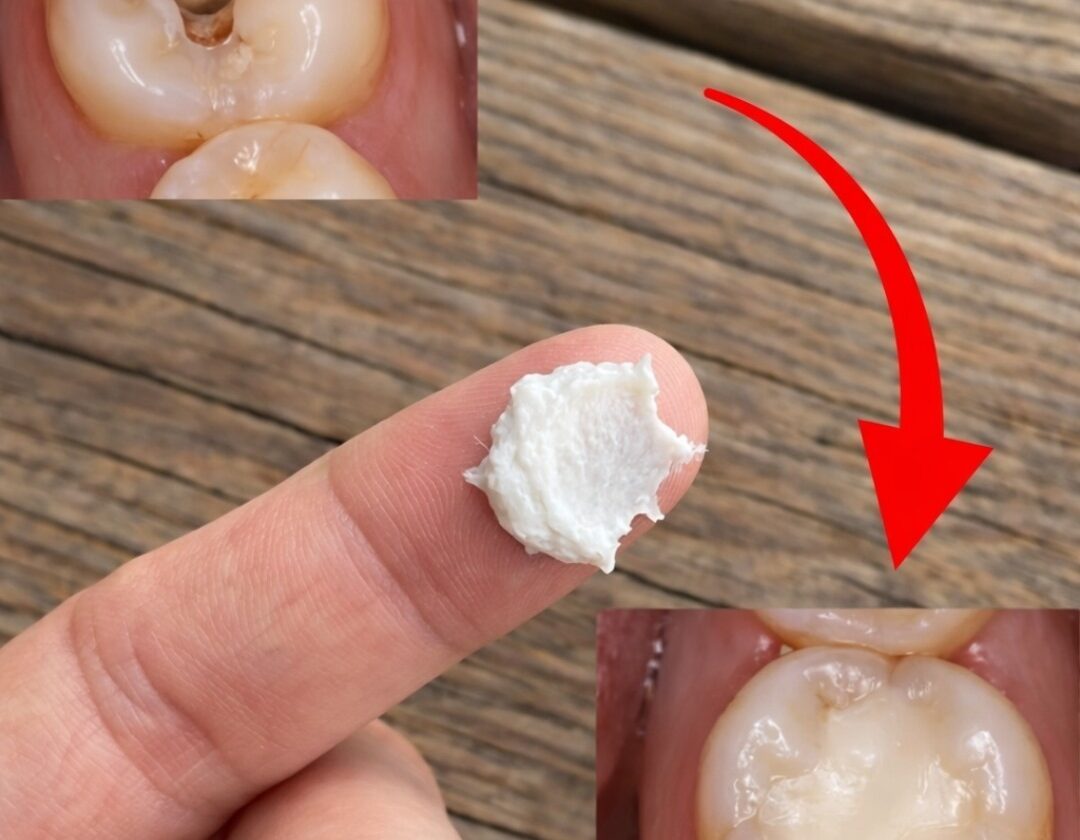
No. Once a cavity forms, it must be treated by a dentist. Natural habits can help prevent cavities but cannot repair advanced decay.
Is oil pulling safe?
Yes, when done properly. It can be used as a supplement to brushing and flossing, but it should never replace traditional oral hygiene.
What foods are best for strong teeth?
Foods rich in calcium and minerals help support dental health, including:
- Dairy products
- Leafy greens
- Nuts
- Crunchy vegetables
How often should I visit the dentist?
Most dentists recommend checkups every six months for professional cleaning and early detection of problems.
Does fluoride really help prevent cavities?
Yes. Fluoride strengthens enamel and helps remineralize early decay, making it one of the most effective tools for cavity prevention.
You May Also Like
If you’re interested in natural wellness tips, you might also enjoy:
- Natural Foods That Strengthen Your Immune System
- Simple Kitchen Remedies for Better Digestion
- Everyday Habits for Stronger Bones
- Healthy Drinks That Support Metabolism
- Easy Ways to Reduce Sugar in Your Diet
Final Thoughts
Natural habits from your kitchen can play a helpful role in supporting oral health—but they work best alongside proper dental care.
The most powerful daily routine for protecting your teeth still includes:
- Brushing twice daily with fluoride toothpaste
- Flossing every day
- Limiting sugary snacks and drinks
- Visiting your dentist regularly
By combining smart nutrition, consistent hygiene, and professional care, you give your teeth the best chance to stay strong and healthy for years to come.
Your future smile—and your favorite desserts—will thank you. 🦷✨