Introduction
Sleep is one of the most important foundations of good health, yet many people overlook a simple factor that can influence their rest: sleeping position. While comfort usually determines how we lie down at night, research suggests that sleeping on your left side may provide several surprising health benefits.
From improving digestion to potentially supporting brain function, this small adjustment may help some people sleep more comfortably and wake up feeling better. It’s not about forcing yourself into an uncomfortable posture—it’s about understanding what science says and gently experimenting with what works best for your body.
In this guide, we’ll explore the potential benefits of left-side sleeping, who might benefit most, and how to make the transition comfortably if you want to try it.
Why Sleep Position Matters
We spend roughly one-third of our lives asleep, and the position we rest in affects multiple body systems.
| Body System | How Sleep Position Influences It |
|---|---|
| Digestive system | Gravity affects food movement and acid reflux |
| Circulatory system | Position can influence blood flow |
| Respiratory system | Airway alignment impacts snoring and breathing |
| Lymphatic system | Drainage of fluids may change with position |
| Musculoskeletal system | Spine alignment and pressure points vary |
| Neurological system | Brain waste clearance may be affected |
Scientists are still exploring how sleep posture interacts with these systems, but some patterns are already well understood.
One particularly interesting discovery involves the Glymphatic system, the brain’s waste-removal system identified in 2012. Early research suggests that sleep position may influence how efficiently the brain clears metabolic waste during rest.
7 Potential Benefits of Sleeping on Your Left Side
1. May Reduce Acid Reflux and Heartburn
Evidence level: Strong
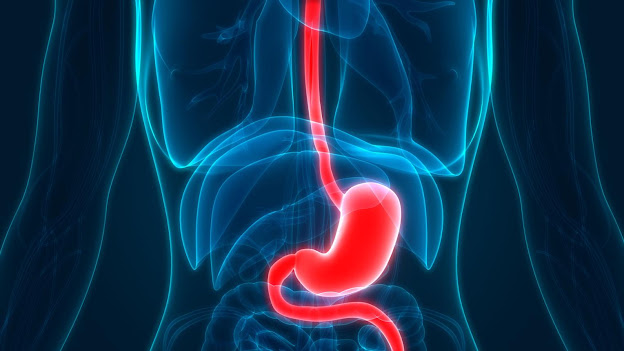
One of the most well-documented benefits of left-side sleeping involves relief from Gastroesophageal reflux disease (GERD).
When lying on the left side:
- The stomach sits below the esophagus
- Gravity helps keep stomach acid from flowing upward
- The lower esophageal sphincter remains above stomach contents
Because of this positioning, many people experience fewer nighttime reflux symptoms.
Helpful tip:
Elevating the head of the bed by about 6–8 inches can enhance this benefit.
2. May Support Digestion
Evidence level: Emerging
The anatomical layout of the digestive system means that certain sleeping positions may help food move through the stomach and intestines more easily.
Possible benefits include:
- Improved gastric emptying
- Better alignment with the descending colon
- Support for natural digestive movement
Although more research is needed, the theory aligns well with digestive anatomy.
3. May Support Lymphatic Drainage
Evidence level: Emerging
The lymphatic system plays an important role in removing waste and supporting immune health.
A major lymphatic vessel called the thoracic duct drains toward the left side of the body. Some researchers believe sleeping on the left side may help support natural lymphatic flow.
While human studies are still limited, the anatomical reasoning is promising.
4. May Support Brain Waste Clearance
Evidence level: Early research
During sleep, the brain uses the Glymphatic system to clear metabolic waste products.
Animal studies suggest side-sleeping positions may help this process work more efficiently compared to lying flat on the back.
Although human studies are still developing, researchers believe this system may play a role in long-term neurological health.
5. Recommended During Pregnancy
Evidence level: Strong
Doctors often recommend left-side sleeping for pregnant individuals.
Benefits include:
- Improved blood flow to the uterus and fetus
- Reduced pressure on the inferior vena cava, a large vein carrying blood to the heart
- Reduced swelling in legs and feet
- Improved kidney function
These circulation benefits make left-side sleeping particularly helpful in later pregnancy.
6. May Reduce Snoring
Evidence level: Mixed
Side sleeping in general can help keep the airway more open than sleeping on the back.
This can reduce:
- Snoring
- Airway collapse
- Mild positional sleep apnea
However, the difference between left-side and right-side sleeping varies between individuals.
People diagnosed with **Sleep apnea should always follow their doctor’s treatment plan.
7. May Support Heart Function (for Some)
Evidence level: Context-dependent
Sleep position can influence circulation and how the heart interacts with surrounding structures.
Some people may experience improved circulation when sleeping on their left side.
However, individuals with certain heart conditions—such as **Heart failure—may find this position uncomfortable.
For those with cardiovascular conditions, personalized medical advice is always best.
How to Switch to Left-Side Sleeping Comfortably
Changing sleep habits takes time. Here are some gentle strategies that can help.
1. Start with Short Periods
Try sleeping on your left side during naps or the first part of the night.
2. Use Pillows for Support
Helpful pillow placements include:
- Pillow between knees
- Pillow hugged against chest
- Pillow behind back to prevent rolling
3. Use a Body Pillow
A long body pillow can support your spine and keep you from rolling onto your back.
4. Elevate Your Upper Body Slightly
This can help reduce reflux and improve breathing.
5. Give Yourself Time
Most people adjust to a new sleep position within 1–2 weeks.
Who Might Want to Avoid Left-Side Sleeping
Left-side sleeping isn’t ideal for everyone.
You may want to modify or avoid it if you experience:
- Shoulder or hip pain on that side
- Certain heart conditions
- Discomfort due to arthritis or injuries
If left-side sleeping causes pain, switching sides or adjusting pillow support can help.
Sleep Hygiene Still Matters Most
Sleep position is only one piece of healthy rest.
Good sleep habits include:
- Consistent bedtime schedule
- Dark, quiet bedroom
- Limiting screens before sleep
- Avoiding large meals late at night
- Daily physical activity
Combining these habits with a comfortable sleeping position often produces the best results.
(Ad placement opportunity before FAQ)
Frequently Asked Questions
Is left-side sleeping better than right-side sleeping?
Left-side sleeping has stronger evidence for acid reflux relief and pregnancy support, but both side positions can be healthy depending on personal comfort.
How long does it take to adjust to a new sleep position?
Most people adapt within 1–2 weeks with consistent practice and proper pillow support.
Can sleeping position affect brain health?
Early research suggests sleep position may influence the brain’s waste-removal system, the **Glymphatic system, but human research is still developing.
Should I force myself to stay on my left side all night?
No. Most people naturally change positions many times during sleep. Simply starting on your left side is often enough.
Can left-side sleeping cure sleep problems?
No. Sleep position may help certain conditions, but it does not replace medical treatment or good sleep habits.
Final Thoughts
Sometimes the smallest lifestyle adjustments can make a meaningful difference. For many people, simply sleeping on the left side may help reduce heartburn, improve circulation, and support overall comfort during rest.
However, the most important rule of sleep is simple: comfort matters. Your body’s signals are the best guide.
If left-side sleeping feels natural and improves your rest, it may be worth making it part of your routine. If not, that’s perfectly okay too.
The goal isn’t perfection—it’s better sleep, better recovery, and a body that wakes up feeling supported and refreshed.
Tonight, try starting on your left side, place a pillow between your knees, and allow your body to relax.
Sometimes better health begins with something as simple as turning over and resting well. 🌙