A Natural Change Many People Notice Later in Life
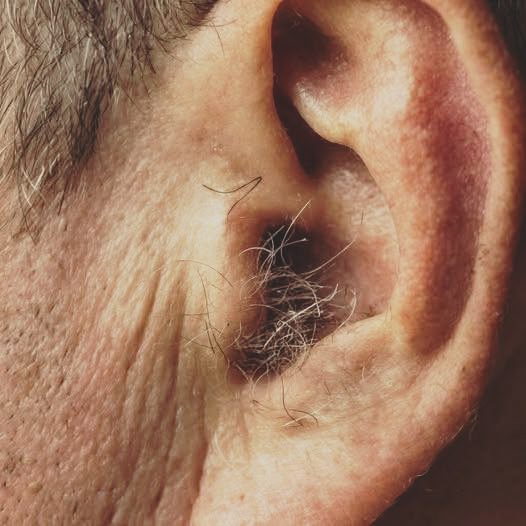
Have you ever noticed hair growing around or inside the ears as you get older? Many people first see it appear in their 50s or 60s and immediately worry that something might be wrong. In reality, ear hair growth is a completely normal part of aging.
As the body changes over time, hair growth patterns also shift. While scalp hair may become thinner, hair in areas like the ears, nose, and eyebrows can become thicker or more noticeable. This is not a disease or a sign of poor health—it’s simply how hair follicles respond to hormones, genetics, and the natural aging process.
Understanding why ear hair appears can help remove unnecessary worry and replace it with a healthier, more realistic view of aging.
Why Ear Hair Growth Happens
1. Hormones Play a Major Role
Hormones called androgens—especially testosterone and dihydrotestosterone (DHT)—influence how hair grows across the body.
These hormones affect hair follicles differently depending on their location:
- Scalp follicles may shrink over time, leading to thinning hair.
- Ear, nose, and eyebrow follicles often remain active and may produce thicker hair.
Because men typically have higher androgen levels, they often experience more noticeable ear hair growth than women.
2. Genetics Determines Hair Patterns
Just like eye color or height, hair growth patterns are strongly genetic. Some people naturally develop thicker or longer ear hair as they age, while others notice very little change.
If your parents or grandparents had noticeable ear hair later in life, there’s a good chance you may experience similar growth patterns.
3. Hormonal Changes After Menopause
Women can also develop ear hair as they age. After menopause, estrogen levels decrease, allowing androgen effects to become more visible.
This shift may cause hair growth in areas such as:
- The ears
- The nose
- The chin
- The upper lip
Again, this is a normal hormonal adjustment, not a health concern.
The Evolutionary Purpose of Ear Hair
Believe it or not, ear hair once had a practical function.
Historically, these tiny hairs helped:
- Trap dust and debris
- Prevent small insects from entering the ear canal
- Detect air movement near the ear
Although modern environments make this function less important, the biological feature remains as part of our evolutionary design.
Why Hair Changes Unevenly With Age
One interesting aspect of aging is that hair does not change uniformly across the body.
You may notice two opposite trends happening at the same time:
| Area | What Happens |
|---|---|
| Scalp | Hair may thin or fall out |
| Ears | Hair may become thicker |
| Nose | Hair may grow longer |
| Eyebrows | Hair may become bushier |
This occurs because different follicles react differently to hormonal signals throughout life.
Common Myths About Ear Hair
Several myths about ear hair have circulated for years. Let’s clear them up.
Myth 1: Ear Hair Means You Have a Health Problem
False. Ear hair is not linked to organ disease or poor circulation.
Myth 2: It Means Hormones Are Out of Balance
False. It actually reflects normal hormonal aging patterns.
Myth 3: Trimming Makes Hair Grow Back Thicker
False. Hair may appear thicker after trimming because the cut ends look blunt, but the follicles themselves are unchanged.
Grooming Ear Hair Safely
For many people, trimming ear hair is simply a cosmetic preference. If you choose to groom it, safety is important.
Safe Grooming Tips
- Use rounded-tip scissors or an electric ear trimmer
- Trim only visible outer hair
- Work in good lighting
- Clean grooming tools regularly
What to Avoid
- Do not insert sharp objects deep into the ear canal
- Avoid excessive plucking, which can cause irritation or infection
- Never use pointed tweezers inside the ear
If hair becomes difficult to manage, a professional barber or grooming specialist can trim it safely.
Environmental Factors and Hair Appearance
While genetics and hormones drive ear hair growth, environmental factors can affect how visible it appears.
These include:
- Sun exposure
- Skin tone
- Air quality
- Hair color changes with age
However, these factors do not cause ear hair growth—they simply influence how noticeable it becomes.
When Does Ear Hair Usually Appear?
The timing varies widely between individuals.
Typical age ranges include:
- 50s: First noticeable hairs appear
- 60s: Growth becomes more visible
- 70s+: Hair may become thicker or longer
Because genetics plays a large role, some people may notice changes earlier or much later.
Accepting Natural Changes With Age
Cultural stereotypes sometimes make people feel embarrassed about ear hair. In reality, it is simply another visible sign of the body’s natural aging process.
Rather than indicating decline, these changes reflect the body’s ability to adapt and evolve over time.
Aging brings many physical transformations—some subtle, some visible—and understanding them helps create a healthier relationship with the body.
The Bottom Line
Ear hair growth is a completely normal biological change influenced by:
- Hormones like testosterone and DHT
- Genetic inheritance
- Age-related follicle behavior
- Natural evolutionary traits
It does not signal illness, poor hygiene, or hormonal problems.
For those who prefer a tidy appearance, gentle trimming is perfectly safe. But whether you groom it or ignore it, ear hair is simply one more reminder that the body continues to evolve throughout life.
And in many ways, that ongoing change is a sign of the body’s remarkable resilience—not something to worry about.