Introduction
You’ve probably seen those viral posts claiming “Your sleep position reveals if you’re lazy.” It’s catchy, a little shocking, and easy to share. But is there any real science behind it?
In reality, sleep psychology and sleep science tell a very different story. Your sleep position is mostly shaped by comfort, body structure, stress levels, and health factors—not your motivation or personality. While researchers have explored small connections between sleep posture and temperament, labeling someone as “lazy” based on how they sleep is a huge oversimplification.
Understanding your sleep position can actually be useful. It may reveal clues about sleep quality, stress levels, spinal alignment, or breathing patterns. Instead of judging yourself, learning about these patterns can help you improve your sleep hygiene, energy levels, and overall health.
Cultural Fascination with Sleep Positions
Throughout history, people have tried to interpret sleep as more than just rest. Ancient traditions and cultural beliefs often linked sleep posture to health, personality, or even spirituality.
For example:
- Ayurvedic traditions suggested certain positions for digestion and balance.
- Medieval European medicine associated sleep posture with bodily “humors.”
- Modern social media turns sleep habits into viral personality quizzes.
These interpretations can be interesting, but they often blur the line between science and myth. Sleep researchers emphasize that sleep posture reflects physical comfort and habit, not character traits like laziness.
Why Understanding Sleep Positions Matters
Looking at sleep habits through a compassionate lens can be surprisingly helpful.
Reduces self-judgment
Learning why your body chooses certain positions helps replace guilt with understanding.
Improves sleep quality
Recognizing patterns may help you adjust pillows, mattresses, or bedtime routines.
Challenges harmful stereotypes
Motivation and productivity are influenced by many factors—not sleep posture.
Builds body awareness
Your sleep habits can reveal clues about stress, tension, or discomfort.
Encourages curiosity rather than criticism
Understanding your habits opens the door to healthier changes.
First Things First: Sleep Position Does NOT Reveal Laziness
The idea that a certain sleep position signals laziness is simply a myth.
Sleep posture is influenced by several factors:
- Physical comfort and body shape
- Habit and long-term sleeping routines
- Medical conditions such as back pain or sleep apnea
- Stress levels and emotional state
- Room temperature and sleep environment
Sleep is a recovery process. During rest, the brain and body repair muscles, regulate hormones, and consolidate memories. It’s the opposite of laziness—it’s essential for health and productivity.
Common Sleep Positions and What They Might Suggest
Below are the most common sleeping styles and what research suggests they may reflect.
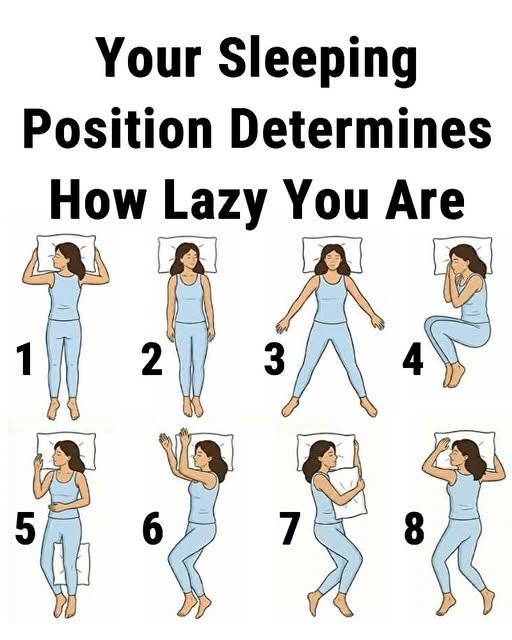
1. The Fetal Position (Curled on Your Side)
This is one of the most common sleep positions worldwide.
Possible associations:
- Desire for comfort and security
- Emotional sensitivity
- A natural self-soothing response to stress
The myth: People say this “passive” posture indicates laziness.
The truth: It’s simply one of the most comfortable ways for the body to relax, especially after a stressful day.
2. The Log Position (Straight Side Sleeping)
In this position, you sleep on your side with your arms resting alongside your body.
Possible traits sometimes associated with this posture:
- Easygoing personality
- Adaptability
- Social openness
From a sleep perspective, this position is often linked to steady breathing and restful sleep.
3. The Hugger (Side Sleeping with Arms Forward)
This position looks like you’re reaching forward or hugging a pillow.
Possible tendencies:
- Thoughtful decision-making
- Emotional awareness
- Desire for connection and comfort
Many people find this posture naturally calming because it mimics a protective or comforting gesture.
4. The Soldier (Back Sleeping with Arms at Sides)
A structured posture where the body lies straight on the back.
Possible associations:
- Preference for order and calm environments
- Quiet or reserved personality
- Comfort with spinal alignment
From a health standpoint, this position can help reduce neck strain when supported by the right pillow.
5. The Starfish (Back Sleeping with Arms Spread)
This relaxed position involves lying on your back with arms spread out.
Possible tendencies:
- Emotional openness
- Generosity and support for others
- Comfort in your surroundings
Rather than laziness, this posture often reflects physical relaxation and trust in the sleep environment.
6. The Freefall (Sleeping on Your Stomach)
In this position, the sleeper lies face-down with arms wrapped around a pillow.
Possible traits sometimes linked with it:
- Boldness and outgoing behavior
- Desire for control or security
- Preference for deep pressure
However, stomach sleeping can sometimes strain the neck or spine, so proper pillow support is important.
Where the “Lazy Sleep Position” Myth Comes From
The myth likely comes from visual perception.
Some positions—like curling up or spreading out—look more relaxed than others. But that visual assumption has nothing to do with motivation or productivity.
Important truths:
- Sleep is supposed to look inactive. That’s the purpose of rest.
- Behavior while awake determines motivation, not posture during sleep.
- Psychological research does not define laziness through body position.
Motivation and energy levels are influenced by factors such as:
- Mental health
- Stress or burnout
- Lifestyle habits
- Sleep quality
- Physical health conditions
What Your Sleep Position Can Actually Reveal
While it doesn’t reveal laziness, sleep posture can still provide helpful clues.
Comfort Preferences
Some people prefer pressure or curling up, while others like open space. This can guide choices for pillows, mattresses, and blankets.
Physical Health Signals
Back pain, breathing issues, or stiffness may push the body toward certain positions.
Stress and Emotional State
When stressed, many people naturally curl into protective positions.
Sleep Quality
Certain positions may help with:
- Snoring
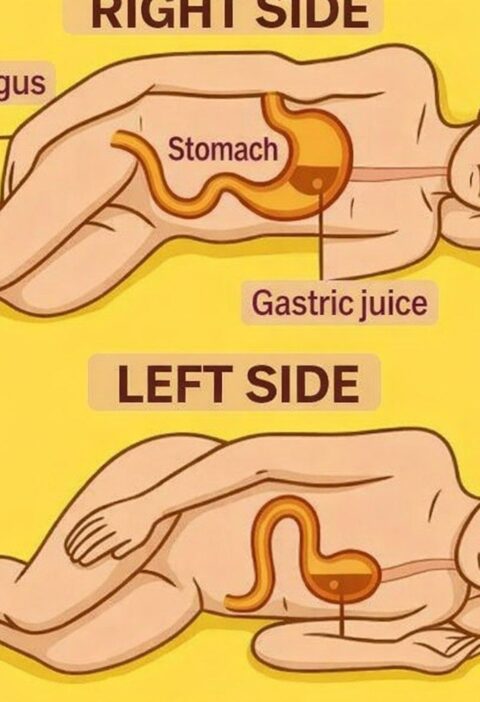
- Acid reflux
- Spinal alignment
- Temperature regulation
Simple Tips to Improve Your Sleep Quality
If you want to experiment with sleep positions, try these tips.
Keep a short sleep journal
Track your position, comfort level, and morning energy for a week.
Upgrade pillow support
Proper neck alignment can dramatically improve sleep.
Adjust room temperature
Cooler rooms often promote deeper sleep.
Listen to your body
The most comfortable position for your body is usually the best one.
If you regularly wake up with pain or fatigue, consider consulting a sleep specialist or physical therapist.
Frequently Asked Questions
Can sleep position reflect personality?
Only in very small, inconsistent ways. Personality is influenced by many factors and cannot be reliably predicted by sleep posture.
What is the healthiest sleep position?
Side sleeping is often recommended because it may help reduce snoring and support spinal alignment. However, the best position varies by individual.
Why do people believe these viral sleep myths?
Simple explanations are appealing. They make complex human behavior feel easy to understand, even if the science is more complicated.
Can changing sleep position improve sleep?
Yes. Adjusting your position can sometimes help with snoring, back pain, or neck tension.
Is it normal to change positions during sleep?
Absolutely. Most people shift positions 10–30 times each night. Your body naturally moves to stay comfortable.
Important Health Considerations
This article is for informational purposes only and should not replace medical advice.
If you experience:
- Chronic fatigue
- Insomnia
- Frequent pain during sleep
- Loud snoring or breathing issues
it may be helpful to speak with a healthcare professional.
Remember, low energy or procrastination often comes from stress, burnout, or health issues—not laziness.
Final Thoughts
Your sleep position says far more about how your body finds comfort than about who you are as a person.
Whether you curl into the fetal position, stretch out like a starfish, or shift positions all night, your body is simply doing what it needs to recover and recharge.
Rest is not laziness—it’s essential maintenance for the brain and body.
So the next time you see a viral claim about sleep positions revealing your personality, remember this: your body isn’t performing laziness.
It’s practicing rest, repair, and resilience. And that’s something worth celebrating.