
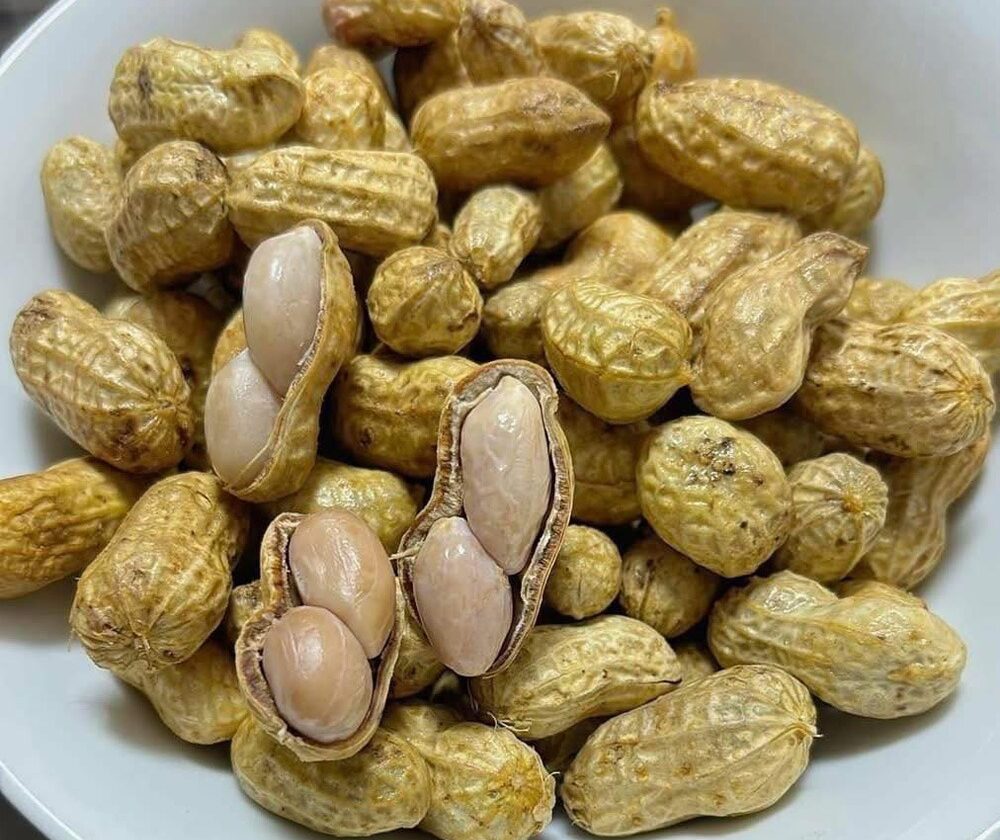
Introduction
You’ve probably seen alarming headlines like “Doctors reveal that eating peanuts causes…” followed by dramatic claims about health risks. These stories are designed to grab attention—but they often leave people confused. Are peanuts actually unhealthy, or are they being misunderstood?
The truth is far less dramatic. For most people, peanuts are considered a nutritious and affordable snack that can support a balanced diet. However, like any food, they come with certain considerations such as allergies, portion sizes, and processing methods.
In this article, we’ll break down what science actually says about peanuts, including their health benefits, possible risks, and how to enjoy them in a healthy way.
The Cultural Story of Peanuts
Peanuts have a long and fascinating global history. Originally cultivated in South America, they spread across the world through trade routes and became important ingredients in many traditional dishes.
In the United States, peanuts gained widespread popularity thanks in part to agricultural innovations by George Washington Carver, who helped develop hundreds of peanut-based products.
Today, peanuts appear in everything from:
- West African peanut stews
- Asian peanut sauces and satays
- Classic American peanut butter sandwiches
Despite their popularity, peanuts are sometimes misunderstood due to sensational headlines or confusion about their nutritional profile.
The Big Picture: Peanuts Are Mostly Healthy
Peanuts are technically legumes, not true tree nuts. Still, their nutritional profile is similar to many nuts and is widely considered beneficial when eaten in moderation.
Nutrition experts often recommend peanuts because they provide:
- Plant-based protein
- Healthy fats
- Fiber
- Essential vitamins and minerals
When included in a balanced diet, peanuts may support heart health, sustained energy, and overall wellness.
Health Benefits of Eating Peanuts
1. Rich in Protein and Healthy Fats
A one-ounce serving of peanuts contains about 7 grams of protein, making them a convenient plant-based protein source.
Peanuts also contain beneficial fats that support heart health and help you feel full longer.
These nutrients can:
- Support muscle maintenance
- Stabilize energy levels
- Reduce hunger between meals
2. May Support Heart Health
Moderate peanut consumption has been linked to improvements in heart health.
Research suggests that peanuts may help:
- Lower LDL (“bad”) cholesterol
- Improve blood vessel function
- Reduce the risk of cardiovascular disease
These benefits are partly due to antioxidants such as Resveratrol, which may help protect cells from oxidative stress.
3. Packed With Essential Nutrients
Peanuts provide a variety of nutrients that support overall health.
Key nutrients include:
- Vitamin E – supports immune and skin health
- Magnesium – important for muscles, nerves, and bones
- Niacin (Vitamin B3) – supports brain function and metabolism
- Polyphenols – plant compounds with antioxidant effects
These nutrients make peanuts a nutrient-dense snack compared to many processed foods.
Potential Risks to Know
While peanuts are healthy for many people, there are a few important considerations.
1. Peanut Allergies
One of the most serious concerns is Peanut allergy.
For individuals with this allergy, even small amounts of peanuts can trigger symptoms such as:
- Hives
- Swelling
- Difficulty breathing
- Severe reactions like Anaphylaxis
People with peanut allergies must avoid peanuts completely and carefully check ingredient labels.
2. High Calorie Density
Peanuts are healthy, but they are also calorie-dense.
One ounce (about a small handful) contains roughly 160–170 calories. Eating large quantities without awareness can contribute to excess calorie intake.
Practicing portion control is important for maintaining a balanced diet.
3. Added Salt and Processing
Many commercial peanut products are heavily processed.
Some varieties contain:
- Added salt
- Refined oils
- Sugar or artificial flavors
These additions may reduce the health benefits. Choosing plain, dry-roasted peanuts or natural peanut butter is often a better option.
4. Rare Risk of Mold Contamination
Improperly stored peanuts can sometimes develop mold that produces Aflatoxin.
Long-term exposure to high levels of aflatoxins can pose health risks. However, strict food safety standards in most countries make this risk extremely low for commercially sold peanuts.
So Do Peanuts Actually “Cause” Health Problems?
The balanced answer is simple:
For most people, peanuts do not cause disease and can be part of a healthy diet.
However:
- They can trigger serious allergic reactions in sensitive individuals
- Overeating them may contribute to excess calories
- Highly processed peanut products may contain extra sodium or sugar
Understanding these factors helps you enjoy peanuts without unnecessary fear.
Healthy Ways to Enjoy Peanuts
To get the most benefits, try these simple tips:
- Choose raw or dry-roasted peanuts
- Limit heavily salted varieties
- Stick to one small handful (about 1 ounce)
- Pair peanuts with fruit or whole grains for balanced snacks
- Store them in a cool, dry place to maintain freshness
Natural peanut butter made with just peanuts (and possibly salt) is also a nutritious option.
Frequently Asked Questions
Are peanuts healthier than chips or candy?
Yes. Compared to many snack foods, peanuts offer more protein, fiber, and healthy fats while containing less added sugar.
Can peanuts help with weight management?
Yes, when eaten in moderation. Their protein and fat content help promote fullness, which may reduce overall calorie intake.
Is peanut butter healthy?
Natural peanut butter made with only peanuts (and possibly salt) can be a healthy choice. Avoid varieties with added sugar or hydrogenated oils.
Are roasted peanuts unhealthy?
Not necessarily. Dry-roasted peanuts retain most nutrients. However, oil-roasted or heavily salted varieties may add unnecessary fat or sodium.
Should everyone eat peanuts?
No. People with Peanut allergy must avoid peanuts completely. Others should consider personal health needs and dietary goals.
Final Thoughts
Despite sensational headlines, peanuts are not the villain many clickbait articles make them out to be. For most people, they are a nutritious, satisfying, and affordable food that can support a healthy lifestyle.
The key is balance:
- Be aware of allergies
- Choose minimally processed options
- Practice reasonable portion sizes
When eaten mindfully, peanuts can absolutely be part of a healthy, balanced diet—no fear required.
Next time you see a dramatic food headline, remember: real nutrition science is rarely that simple. Looking beyond the clickbait helps you make smarter choices for your health.