For many people, just hearing the word Colonoscopy is enough to spark anxiety. The idea of the test, the preparation, and the fear of what doctors might find can make people delay or avoid it entirely.
But here’s the truth: colonoscopies are one of the most powerful tools doctors have to prevent cancer. In fact, the procedure doesn’t just detect disease—it can stop it before it even starts.
And before deciding whether to schedule one, doctors say there’s one simple question every patient should ask first.
The Question That Changes Everything
Before agreeing to the procedure, ask your doctor:
“Why do I need this colonoscopy?”
It sounds simple, but this question can make a huge difference.
Understanding why your doctor recommends the test helps you feel more in control and less fearful. The answer could reveal that the procedure is meant to:
- Screen for early signs of Colorectal cancer
- Investigate symptoms like bleeding, persistent stomach pain, or unexplained weight loss
- Monitor a previous digestive condition
- Check for polyps that could become cancer later
Instead of feeling like the procedure is being forced on you, asking this question helps you become an active partner in your own health decisions.
What a Colonoscopy Actually Is
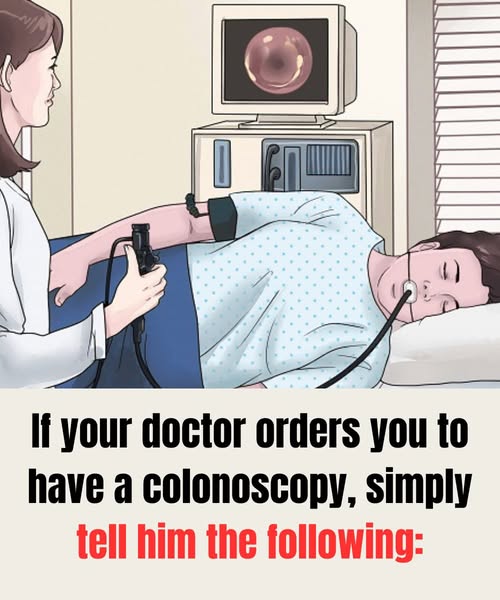
A colonoscopy is a medical exam that allows doctors to look inside your large intestine (colon).
During the procedure:
- A thin, flexible tube with a tiny camera is inserted through the rectum.
- The camera sends images to a screen so the doctor can examine the colon closely.
- If necessary, the doctor can remove polyps or take tissue samples during the same test.
This is why colonoscopies are considered the gold standard for detecting colon cancer early, according to organizations like the National Cancer Institute.
Why Colonoscopies Save Lives
Many serious digestive diseases begin silently. In the early stages, they often cause no symptoms at all.
Colorectal cancer usually develops slowly from small growths called polyps. During a colonoscopy, doctors can remove these polyps immediately, preventing them from turning into cancer.
Health experts at the American Society for Gastrointestinal Endoscopy say this is one of the biggest reasons colonoscopy screening is so effective.
In other words, this test can both detect and prevent cancer in a single visit.
Why So Many People Are Afraid of Colonoscopies
Despite the benefits, many people delay the test. The fear usually comes from:
- Embarrassment about the procedure
- Stories online that exaggerate the discomfort
- Anxiety about possible results
- Fear of pain
But most patients say the reality is much easier than expected.
During the procedure, patients are usually sedated, meaning they feel little to no discomfort. The exam itself typically lasts 20 to 45 minutes, and recovery is quick.
The preparation beforehand—cleansing the bowel—is often the most inconvenient part, but it’s temporary and necessary for accurate results.
When Doctors Recommend a Colonoscopy
Doctors typically recommend colonoscopy screening if you:
- Are 45 years old or older
- Have a family history of colon cancer
- Experience symptoms like:
- blood in the stool
- persistent abdominal pain
- unexplained weight loss
- long-term digestive changes
Early detection dramatically improves survival rates, which is why experts encourage regular screening.
The Bottom Line
Avoiding a colonoscopy doesn’t remove the risk—it only delays the answers.
By simply asking “Why do I need this test?”, you can better understand your health, reduce fear, and make informed decisions.
A colonoscopy may feel intimidating at first, but it remains one of the most effective ways to protect your long-term health and prevent colorectal cancer.
Sometimes the best step toward peace of mind is simply getting the information you need.