Engaging Introduction
Hormonal balance can sometimes feel like walking a tightrope—especially during perimenopause, postpartum recovery, or after certain medical treatments. Many people search for natural ways to support hormone health, and one powerful place to start is right in your kitchen. The good news is that certain healthy foods naturally contain phytoestrogens, plant compounds that gently interact with the body’s estrogen receptors.
While no food actually contains human estrogen, phytoestrogen-rich foods may help the body maintain balance by either mimicking or moderating estrogen activity depending on your needs. When combined with a balanced diet, healthy lifestyle, and nutrient-dense meals, these foods can be a supportive part of long-term wellness, weight management, and healthy meal prep routines.
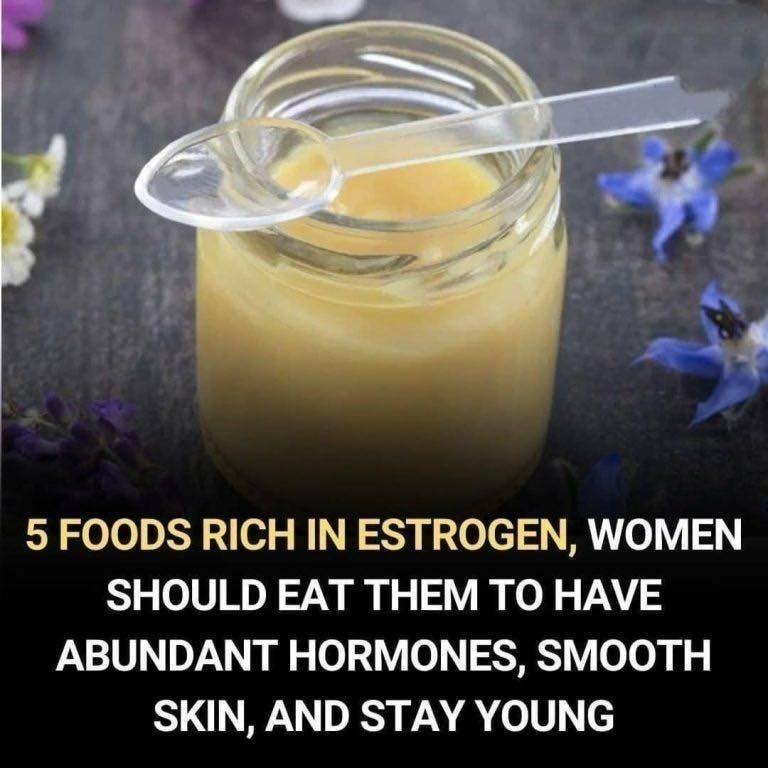
Below are five accessible foods rich in phytoestrogens that you can easily include in your daily healthy eating plan. These ingredients are not only nutritious but also delicious, making them perfect additions to smoothies, salads, snacks, and quick dinners.
Important note: If you have a history of hormone-sensitive conditions such as ER+ breast cancer, consult a healthcare professional before making significant dietary changes.
Why You’ll Love These Estrogen-Supportive Foods
- Naturally support hormone balance using plant-based phytoestrogens
- Perfect additions to a healthy diet or weight-loss meal plan
- Easy to include in meal prep, smoothies, and quick dinners
- Rich in fiber, antioxidants, and essential nutrients
- Simple everyday foods that are budget-friendly and widely available
Ingredients
- Flaxseeds
- Soybeans & Fermented Soy (Edamame, Tempeh, Miso, Tofu, Unsweetened Soy Milk)
- Sesame Seeds
- Dried Fruits (Especially Apricots & Dates)
- Berries (Strawberries, Cranberries, Raspberries)
Instructions / Method
1. Flaxseeds: The Lignan Powerhouse
Why They’re Special:
Flaxseeds are the richest known source of lignans, a type of phytoestrogen with antioxidant and anti-inflammatory properties.
What Science Suggests:
- May help ease hot flashes and night sweats during menopause
- Supports healthy cholesterol and blood sugar levels
- Promotes regular digestion (thanks to their high fiber)
- In high-estrogen states, lignans may act anti-estrogenically
How to Use Them:
✅ Always grind them—whole flaxseeds pass through undigested.
→ Stir 1–2 tbsp into oatmeal, yogurt, or smoothies
→ Mix into homemade energy balls or muffin batter
→ Sprinkle over roasted veggies or salads
📌 Store ground flax in the fridge to prevent rancidity.
2. Soybeans & Fermented Soy: The Isoflavone Classic
Top Sources:
- Edamame (young green soybeans)
- Tempeh (fermented soy cake)
- Miso (fermented soybean paste)
- Tofu (soybean curd)
- Unsweetened soy milk
Why They Work:
Soy contains isoflavones—particularly genistein and daidzein—which are the most researched phytoestrogens. Populations with lifelong soy intake often report fewer menopausal symptoms and stronger bone health.
Key Insight:
Fermented soy products like tempeh and miso may be easier to digest and provide additional probiotic benefits.
How to Enjoy:
- Steam edamame with sea salt for a protein-rich snack
- Crumble tempeh into chili or stir-fries
- Swirl white miso into soups or dressings (avoid boiling)
- Bake tofu cubes with tamari and sesame oil
✅ Choose organic, non-GMO soy when possible.
3. Sesame Seeds: Tiny Seeds, Mighty Impact
Why They Shine:
Sesame seeds contain lignans such as sesamin and sesamolin, which may support hormone metabolism and the liver pathways that process estrogen.
Bonus Benefits:
- High in calcium and magnesium
- Rich in healthy fats
- May help support bone density
- Supports skin and hair health
How to Use Them:
- Toast and sprinkle over grain bowls or vegetables
- Blend into tahini for dips and dressings
- Add to granola or seed crackers
- Stir into stir-fry sauces for a nutty flavor
💡 Pair with vitamin C foods (like lemon or bell peppers) to enhance mineral absorption.
4. Dried Fruits (Especially Apricots & Dates)
Surprising Fact:
Drying fruit concentrates phytoestrogen compounds. Dried apricots, dates, prunes, and raisins all contain measurable levels.
Why Include Them:
- Natural sweetness without refined sugar
- Rich in potassium and iron
- High fiber content supports digestion
- Great for energy during hormonal dips
Smart Serving Ideas:
- Chop dates into oatmeal or chia pudding
- Simmer dried apricots into yogurt compote
- Stuff dates with almond butter for a healthy snack
⚠️ Enjoy in moderation (1–2 servings per day) due to natural sugar.
5. Berries (Strawberries, Cranberries, Raspberries)
The Berry Bonus:
While berries are not the highest phytoestrogen source, they contain ellagic acid and powerful flavonoids that support healthy estrogen metabolism.
Why They Matter:
- Help the liver process excess estrogen
- High in vitamin C and antioxidants
- Anti-inflammatory properties
- Low glycemic impact—great for blood sugar balance
How to Eat More:
- Add berries to smoothies or protein shakes
- Simmer cranberries into a simple sauce
- Layer raspberries into yogurt parfaits
Is This Recipe Healthy?
Yes—these foods are excellent additions to a healthy eating plan. Phytoestrogen-rich foods are typically whole plant foods that are high in fiber, antioxidants, vitamins, and minerals. These nutrients support not only hormone balance but also heart health, digestion, and weight management.
Many people looking for healthy recipes for weight loss or meal prep benefit from adding seeds, berries, and soy-based protein sources to their diet. These ingredients can help increase satiety, reduce processed food intake, and provide long-lasting energy throughout the day.
A balanced diet that includes these foods alongside vegetables, lean proteins, whole grains, and healthy fats may help support overall hormonal wellness and metabolic health.
Calories & Nutrition
Exact nutrition varies depending on serving size, but typical estimates include:
Flaxseeds (1 tablespoon)
- Calories: ~55
- Protein: 2 g
- Healthy fats: 4 g
- Fiber: 3 g
Soybeans or Tofu (½ cup)
- Calories: ~100–150
- Protein: 10–15 g
- Carbohydrates: 8 g
- Healthy fats: 5 g
Sesame Seeds (1 tablespoon)
- Calories: ~50
- Healthy fats: 4 g
- Protein: 2 g
- Calcium: ~9% daily value
Dried Apricots (¼ cup)
- Calories: ~80
- Fiber: 2 g
- Potassium: ~300 mg
Berries (1 cup)
- Calories: ~50–70
- Fiber: 3–8 g
- Vitamin C: up to 100% daily value
These foods together create a nutrient-dense, fiber-rich diet that supports digestion, hormone health, and energy balance.
Tips for Best Results
- Use freshly ground flaxseeds for better nutrient absorption.
- Add phytoestrogen foods gradually to avoid digestive discomfort.
- Pair these foods with high-protein meals for better blood sugar balance.
- Focus on whole, minimally processed foods for maximum health benefits.
- Rotate different sources rather than relying on just one food.
Variations & Substitutions
If you want to incorporate these foods into everyday meals, try these easy ideas:
- Blend flaxseeds into smoothies or protein shakes.
- Swap dairy milk with unsweetened soy milk in recipes.
- Use tahini (sesame paste) as a salad dressing base.
- Add berries to overnight oats for healthy meal prep.
- Use tofu or tempeh as a plant-based protein in quick dinners.
These swaps make it easy to build healthy, hormone-supportive meals throughout the week.
FAQ Section
Are phytoestrogen foods safe to eat daily?
For most people, yes. Consuming moderate amounts of phytoestrogen-rich foods as part of a balanced diet is considered safe and beneficial.
Can these foods help with menopause symptoms?
Some studies suggest that foods like soy and flaxseeds may help reduce symptoms such as hot flashes and night sweats.
Can I include these foods in meal prep?
Absolutely. Seeds, berries, tofu, and dried fruits are perfect for weekly meal prep recipes, smoothies, salads, and healthy snacks.
What is the best way to store flaxseeds?
Whole flaxseeds can be stored at room temperature, but ground flax should be refrigerated to prevent spoilage.
Can I freeze berries?
Yes. Frozen berries are just as nutritious as fresh ones and work well in smoothies, oatmeal, and desserts.
You May Also Like
If you enjoy learning about healthy ingredients and easy recipes, you might also like:
- High-Protein Breakfast Smoothies
- Easy Healthy Overnight Oats
- Anti-Inflammatory Berry Smoothie Bowl
- Quick Plant-Based Dinner Ideas
- Healthy Meal Prep Recipes for Busy Weeks
- Fiber-Rich Foods for Digestive Health
Final Thoughts
Nature rarely offers quick fixes—but it does provide powerful nourishment. By incorporating foods like flaxseeds, soy, sesame seeds, dried fruits, and berries into your routine, you can support your body through natural hormonal shifts while enjoying delicious, wholesome meals.
Small habits—like sprinkling seeds onto your breakfast or adding berries to your smoothie—can make a big difference over time. Healthy eating isn’t about perfection; it’s about balance, consistency, and enjoying foods that truly nourish you.
Do you have a favorite way to enjoy phytoestrogen-rich foods? Share your ideas in the comments! 🌱