Engaging Introduction
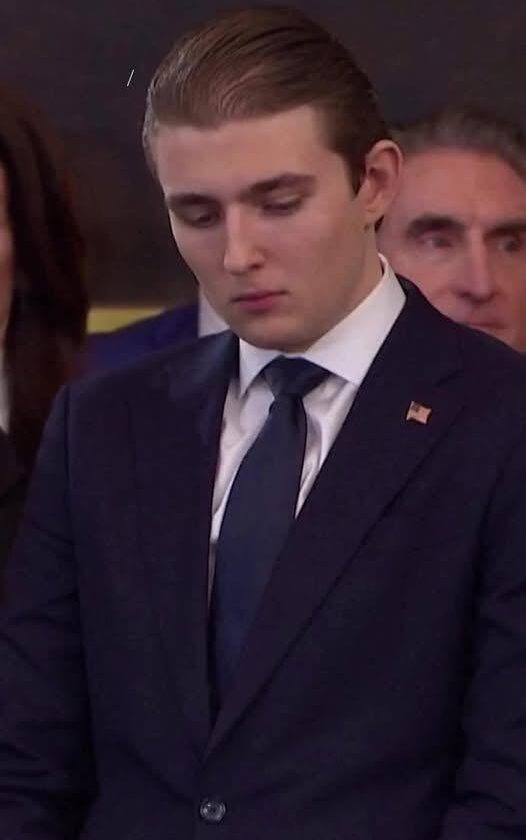
In recent weeks, online debates have exploded around one unexpected topic: whether Barron Trump could—or should—serve in the U.S. military. Fueled by viral hashtags and rising geopolitical tensions, the discussion has sparked strong emotions, political opinions, and plenty of misinformation.
But behind the headlines and social media reactions lies a more important question: what are the actual rules for joining the U.S. military? Understanding how eligibility works—especially during times of conflict—can help separate fact from speculation. This isn’t just about one ব্যক্তি; it’s about how military service really works in the United States.
Let’s break it down clearly, without the noise.
Why This Topic Matters
- Helps clarify military eligibility rules in the U.S.
- Separates facts from viral misinformation
- Explains how the Selective Service System works
- Provides insight into health, fitness, and enlistment standards
- Addresses a widely discussed current topic objectively
What Sparked the Debate?
The conversation began trending online as tensions rose in the Middle East, with some users questioning why political leaders’ families are not directly involved in military service.
Much of the discussion referenced Donald Trump and his family, turning Barron Trump into a symbolic figure in a broader political argument about leadership, responsibility, and military sacrifice.
However, the viral claims often oversimplify or misunderstand how military service actually works.
Can Barron Trump Be Drafted?
Technically, yes—but with important context.
In the United States:
- Men aged 18–25 must register with the Selective Service System
- Registration does not mean automatic military service
- The U.S. currently does NOT have an active draft
So while Barron Trump falls within the registration age range, there is no current mechanism forcing him—or anyone else—into service.
Is There a “Medical Reason” He Can’t Serve?
There is no verified public medical condition that disqualifies Barron Trump from military service.
Some viral claims mention height or physical traits, but that’s misleading.
The Reality:
- The U.S. military does have height, weight, and fitness standards
- These vary by branch (Army, Navy, Air Force, etc.)
- Being outside a typical range may limit certain roles—but rarely disqualifies someone entirely
In short:
👉 Height alone is NOT a medical disqualification
What Actually Determines Military Eligibility?
To serve in the U.S. military, a person must meet several criteria:
1. Physical Health
- No serious untreated medical conditions
- Ability to pass a physical exam
2. Fitness Standards
- Must meet minimum strength and endurance levels
3. Mental Health & Background
- Psychological fitness is evaluated
- Background checks may apply
4. Age & Legal Status
- Typically between 17–35 (varies by branch)
- Must meet citizenship or residency requirements
Even in a draft scenario, exemptions and classifications would apply.
Why Height Became Part of the Conversation
Barron Trump is known to be unusually tall for his age, which led to speculation online.
However:
- Military height limits are flexible ranges, not strict bans
- Exceptions and waivers can exist
- Many roles don’t require strict physical profiles
So the idea that someone is “too tall to serve” is largely a myth.
What the Debate Is Really About
The #SendBarron trend isn’t truly about enlistment rules—it reflects broader public concerns:
- Perceived inequality in who serves
- Frustration with political leadership during conflict
- Questions about accountability and shared sacrifice
Some view it as satire. Others see it as criticism of leadership decisions. But it’s important to recognize that targeting individuals—especially young adults not involved in policymaking—doesn’t reflect how military systems actually function.
Common Misconceptions
Myth: Barron Trump is medically disqualified
👉 Fact: No confirmed medical condition supports this claim
Myth: Height alone prevents military service
👉 Fact: It may limit roles but rarely disqualifies entirely
Myth: A draft is currently active
👉 Fact: The U.S. has no active draft
Myth: Registration means automatic deployment
👉 Fact: It’s only a contingency system
FAQ
Can Barron Trump join the military voluntarily?
Yes, if he meets all standard requirements like any other citizen.
Is the U.S. bringing back the draft?
There is no active draft. Any change would require congressional action.
Do children of presidents have to serve?
No. There is no law requiring family members of politicians to serve.
What disqualifies someone from military service?
Serious medical conditions, failure to meet fitness standards, or certain legal issues.
Is this debate based on facts or opinions?
Mostly opinions and political commentary—not official policy or verified facts.
You May Also Like
- How the U.S. Military Draft System Works
- Minimum Requirements to Join the Army
- Common Military Myths Debunked
- What Happens During Military Medical Exams
- Understanding U.S. Defense Policies
Final Thoughts
The conversation around Barron Trump highlights how quickly misinformation can spread—especially during times of global tension. While the topic may feel personal or political, the facts remain straightforward: military service in the U.S. follows structured rules, not social media trends.
Understanding those rules helps shift the conversation from speculation to reality—and keeps the focus where it belongs: on informed, respectful discussion.