
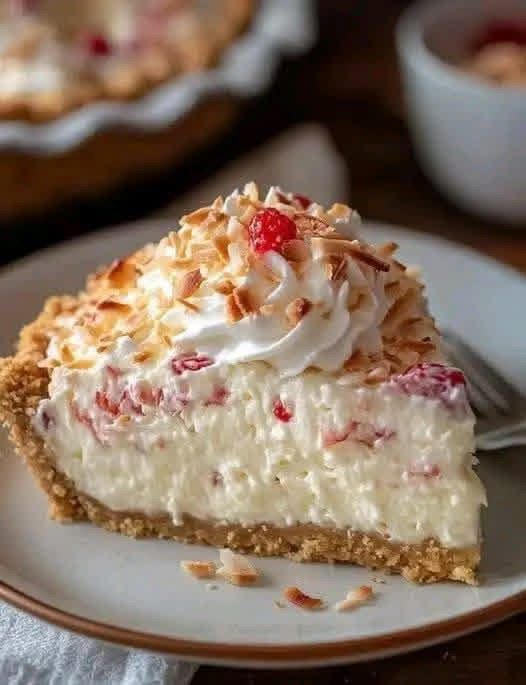
Engaging Introduction
Finding a truly diabetic-friendly dessert that actually tastes like a real cake can feel frustrating. Many “sugar-free” recipes promise a lot—but end up dry, dense, or with that unpleasant artificial aftertaste. If you’ve ever tried to stick to a healthy, low-carb lifestyle while still craving something sweet, you know the struggle.
This easy diabetic-friendly cake recipe changes everything. It’s soft, moist, and incredibly tender—so much so that it practically melts in your mouth. Made with almond flour, low-glycemic sweeteners, and wholesome ingredients, this cake is perfect for weight loss, blood sugar control, and meal prep desserts without sacrificing flavor.
Whether you’re managing diabetes, reducing sugar, or just looking for a healthier treat, this cake proves one thing: you don’t have to give up dessert to eat well.
Why You’ll Love This Recipe
- ✅ Low-carb and diabetic-friendly (no sugar spikes)
- ✅ Soft, moist, melt-in-your-mouth texture
- ✅ Made with simple, healthy ingredients
- ✅ Perfect for meal prep or special occasions
- ✅ Tastes like a classic bakery-style cake
Ingredients
Dry Ingredients
- 2 cups fine blanched almond flour (not almond meal)
- 1/4 cup coconut flour
- 1 teaspoon baking powder
- 1/2 teaspoon baking soda
- 1/4 teaspoon fine sea salt
Wet Ingredients
- 1/2 cup unsalted butter or coconut oil, softened
- 3/4 cup granulated erythritol or allulose (see sweetener notes below)
- 3 large eggs, room temperature
- 1 teaspoon vanilla extract
- 1/2 teaspoon almond extract (optional)
- 1/2 cup plain Greek yogurt or sour cream, room temperature
- 1/4 cup unsweetened almond milk or heavy cream
Sweetener Notes
Not all sugar-free sweeteners perform equally in baking. Erythritol and allulose are the best choices for this diabetic friendly cake. Erythritol measures cup-for-cup like sugar and crystallizes similarly, creating a fine crumb. Allulose also measures cup-for-cup and has the additional advantage of caramelizing and browning like real sugar. Stevia and monk fruit drops are not recommended for this recipe because they lack the bulk and crystalline structure that contribute to texture. If using a monk fruit erythritol blend, follow package directions for cup-for-cup substitution.
Optional Toppings
- Sugar-free whipped cream (heavy cream whipped with powdered erythritol)
- Fresh berries (strawberries, blueberries, or raspberries)
- Dusting of powdered erythritol or monk fruit sweetener
- Sugar-free chocolate ganache made with unsweetened chocolate and heavy cream
Instructions / Method
Step 1: Preheat and Prepare
Preheat your oven to 325 degrees Fahrenheit (165 degrees Celsius). Lower temperature than standard cakes prevents over-browning of the almond flour. Grease an 8-inch round cake pan thoroughly with butter or coconut oil. Line the bottom with a parchment paper circle. Dust the sides with a small amount of almond flour or coconut flour.
Step 2: Combine Dry Ingredients
In a medium bowl, whisk together the almond flour, coconut flour, baking powder, baking soda, and salt. Almond flour tends to clump, so break up any lumps with your fingers or a fork before whisking. Set aside.
Step 3: Cream Butter and Sweetener
In a large mixing bowl, beat the softened butter or coconut oil with an electric mixer on medium speed until creamy and smooth, approximately one minute. Add the granulated erythritol or allulose. Beat for two to three minutes until the mixture is light, fluffy, and slightly pale. Erythritol does not dissolve completely like sugar, so a slightly grainy appearance is normal at this stage.
Step 4: Add Eggs and Extracts
Add the eggs one at a time, beating well after each addition. Scrape down the sides of the bowl with a rubber spatula after each egg. The batter may look slightly curdled at this point. This is normal and will smooth out when you add the dry ingredients. Beat in the vanilla extract and almond extract if using.
Step 5: Alternate Dry and Wet Ingredients
Reduce mixer speed to low. Add one-third of the dry ingredients to the butter mixture and mix until just combined. Add half of the Greek yogurt and mix briefly. Add another third of the dry ingredients, then the remaining yogurt, then the final third of dry ingredients. Finally, add the almond milk or heavy cream and mix just until incorporated. Do not overmix. Overmixing develops toughness even in gluten-free flours.
Step 6: Transfer and Smooth
Scrape the batter into the prepared cake pan. Use a spatula to spread it evenly to the edges. The batter will be thick but spreadable. Smooth the top as flat as possible. Tap the pan gently on the counter three to four times to release air bubbles.
Step 7: Bake
Bake for twenty-five to thirty-five minutes. The cake is ready when the top is golden brown, the edges have pulled slightly away from the sides of the pan, and a toothpick inserted into the center comes out clean or with a few moist crumbs attached. Almond flour cakes brown faster than wheat flour cakes, so begin checking at twenty-five minutes.
Step 8: Cool Completely
Allow the cake to cool in the pan for fifteen minutes. Run a thin knife around the edge to loosen it. Invert the cake onto a wire rack, then flip it right-side up to cool completely. Do not attempt to frost or slice a warm cake. The crumb is most fragile when warm and will firm up significantly as it cools.
Is This Recipe Healthy?
Yes—this is a healthy, diabetic-friendly recipe designed to support stable blood sugar levels.
Unlike traditional cakes:
- It uses low-glycemic ingredients
- Contains no refined sugar
- Includes healthy fats and protein
This makes it ideal for:
- Weight loss diets
- Low-carb lifestyles
- Blood sugar management
Calories & Nutrition (Estimated)
Per slice (based on 10 servings):
- Calories: ~220–260
- Protein: 6–8g
- Carbohydrates: 6–8g (Net carbs: ~3–4g)
- Fat: 18–22g
Nutrition Highlights:
- High in healthy fats (satiety + energy)
- Moderate protein (supports blood sugar stability)
- Very low net carbs (ideal for diabetics)
Tips for Best Results
- Use fine almond flour, not almond meal
- Bring all ingredients to room temperature
- Don’t overmix the batter
- Bake at lower temperature to prevent burning
- Let cake cool completely before slicing
Variations & Substitutions
- Add lemon zest for a citrus twist
- Mix in sugar-free chocolate chips
- Use coconut yogurt for dairy-free option
- Turn into cupcakes (adjust baking time)
- Add cinnamon or nutmeg for warmth
FAQ Section
Can I make this cake ahead of time?
Yes! It actually tastes better the next day as flavors develop.
Is this cake truly diabetic-friendly?
Yes—it uses low-carb flours and sugar-free sweeteners that don’t spike blood sugar.
How should I store it?
Store in an airtight container in the fridge for up to 5 days.
Can I freeze this cake?
Absolutely. Freeze slices for up to 2 months.
What’s the best sweetener to use?
Erythritol or allulose works best for texture and taste.
You May Also Like
- Easy Low-Carb Cheesecake
- Healthy Almond Flour Muffins
- Sugar-Free Chocolate Cake
- High-Protein Breakfast Recipes
- Keto Desserts for Beginners
- Quick No-Bake Healthy Treats
Final Thoughts
This diabetic-friendly cake proves that healthy eating doesn’t mean giving up the foods you love.
It’s soft.
It’s satisfying.
And it fits perfectly into a balanced lifestyle.
If you’ve been searching for a healthy dessert that actually tastes amazing, this might just become your new go-to recipe.