Introduction
Most people expect menopause to arrive sometime in their early 50s. It’s often portrayed as a predictable life stage—but for many women, it can begin much earlier.
When menopause happens between ages 40–45, it’s called early menopause. If it occurs before age 40, it’s known as premature menopause.
If you’ve been feeling “off” and can’t quite explain why, your body might be signaling hormonal changes sooner than expected. Recognizing these signs early isn’t about fear—it’s about taking control of your health and making informed decisions.
1. Irregular Periods (Often the First Sign)
Changes in your cycle are usually the earliest clue.
What to notice:
- Periods coming closer together or farther apart
- Heavier or lighter flow than usual
- Skipping periods for months
Why it happens:
Hormone levels fluctuate, and ovulation becomes irregular.
When to act:
If your cycle changes consistently or you skip periods for 2+ months, talk to a doctor.
2. Hot Flashes and Night Sweats
You don’t need to be 50 to experience these.
Symptoms include:
- Sudden heat in your chest, neck, or face
- Sweating followed by chills
- Waking up drenched at night
Why it happens:
Estrogen changes disrupt your body’s temperature control system.
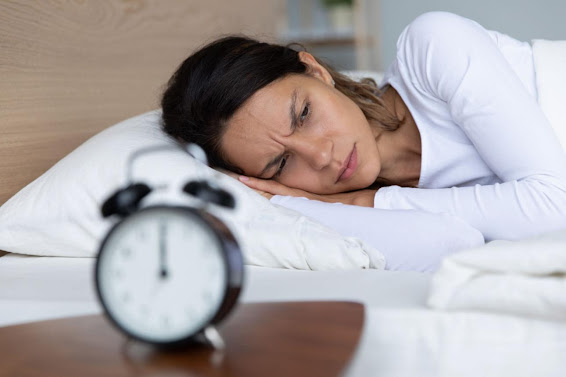
3. Sleep Problems (Insomnia)
Even without night sweats, sleep can suffer.
Common signs:
- Trouble falling asleep
- Waking up during the night
- Feeling tired despite sleeping
Cause:
Hormonal shifts affect sleep-regulating chemicals.
4. Vaginal Dryness and Discomfort
A common but often overlooked symptom.
You may notice:
- Dryness, itching, or burning
- Pain during intimacy
- More frequent UTIs
Why it happens:
Lower estrogen leads to thinner, less lubricated tissue.
5. Mood Swings and Anxiety
Emotional changes are very real—and hormonal.
Symptoms:
- Irritability
- Anxiety or sadness
- Rapid mood shifts
Cause:
Estrogen affects brain chemicals like serotonin and dopamine.
6. Brain Fog and Memory Issues
You might feel mentally “off.”
Signs:
- Forgetfulness
- Trouble concentrating
- Difficulty finding words
Why it happens:
Estrogen plays a role in cognitive function.
7. Decreased Libido
A drop in sex drive is common.
Possible reasons:
- Hormonal changes
- Physical discomfort
- Stress or emotional factors
8. Skin and Hair Changes
Your appearance may shift subtly.
What to look for:
- Dry, thinner skin
- Hair thinning on the scalp
- New facial hair growth
Cause:
Lower estrogen and relatively higher androgen levels.
9. Joint and Muscle Pain
Hormones affect more than reproduction.
Symptoms:
- Stiffness
- Aching joints
- Muscle discomfort
Why it happens:
Estrogen helps reduce inflammation and supports joint health.
10. Weight Gain (Especially Around the Belly)
This can feel frustrating and unexpected.
What’s happening:
- Slower metabolism
- More fat stored around the abdomen
- Loss of muscle mass
Why Early Menopause Happens
In many cases, the exact cause isn’t clear. But common factors include:
- Genetics (family history)
- Autoimmune conditions
- Medical treatments (like chemotherapy)
- Smoking
- Certain genetic conditions
Why Early Detection Matters
Estrogen protects several key systems in your body. Losing it early can increase the risk of:
- Osteoporosis (bone loss)
- Heart disease
- Cognitive decline
Early diagnosis allows you to take steps to protect your long-term health.
Frequently Asked Questions
Can you still get pregnant?
Yes—until you’ve gone 12 months without a period, pregnancy is still possible.
How is it diagnosed?
Doctors use symptoms, medical history, and blood tests (like FSH and estrogen levels).
Is hormone therapy safe?
For many women under 50, benefits often outweigh risks—but this should be discussed with your doctor.
Can lifestyle changes help?
Yes. Focus on:
- Balanced nutrition
- Regular exercise
- Stress management
- Avoiding smoking
Final Thoughts
Early menopause can feel confusing and even overwhelming—but knowledge changes everything.
If something feels off, trust your instincts. You deserve answers, support, and care tailored to your body.
The earlier you recognize the signs, the more options you have to protect your health and well-being.