Introduction
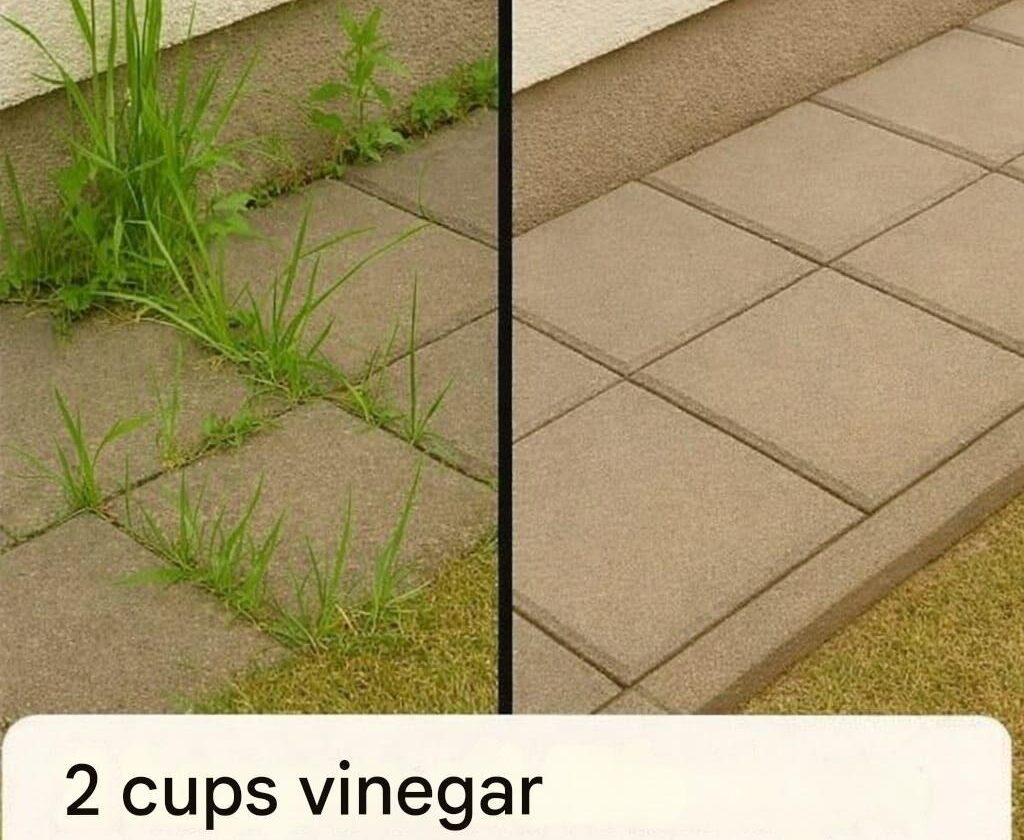
Weeds have a way of showing up exactly where you don’t want them—pushing through driveway cracks, invading gravel paths, or taking over patio edges.
While store-bought herbicides promise fast results, they often come with harsh chemicals, higher costs, and concerns about pets, soil health, and the environment.
That’s why more people are turning to a homemade herbicide—a simple, budget-friendly solution that can be surprisingly effective when used correctly.
But let’s be honest: this isn’t a miracle cure for every weed problem. It’s a targeted, practical method that works best in the right places.
Why Homemade Herbicides Are So Popular
This DIY approach has gained traction for a few good reasons:
- Uses simple household ingredients
- Costs far less than commercial products
- No mystery chemicals—you know exactly what you’re using
- Quick to mix and apply
It works especially well for:
- Driveway and sidewalk cracks
- Gravel areas
- Patio edges
- Spaces where you don’t want any plant growth
⚠️ Not ideal for lawns or garden beds with healthy plants nearby.
The Simple Recipe That Gets Results
Ingredients:
- 1 gallon white vinegar (5% acidity or higher)
- 1 cup salt
- 1 tablespoon liquid dish soap
Why it works:
- Vinegar dries out plant leaves (desiccates them)
- Salt disrupts water balance and can slow regrowth
- Dish soap helps the mixture stick to leaves for better coverage
How to prepare:
- Mix all ingredients in a large container
- Stir until the salt fully dissolves
- Pour into a spray bottle or garden sprayer
How to Use It (This Makes All the Difference)
To get real results, application matters more than the recipe:
- Spray on a hot, sunny day ☀️
Heat boosts the drying effect - Target leaves directly
This is a contact herbicide—it doesn’t work through soil - Avoid windy conditions
Drift can damage nearby plants - Use carefully and sparingly
Especially because of the salt
👉 You’ll often see weeds start to wilt within hours—and dry out by the next day.
Important Limitations (Don’t Skip This)
This method works—but it’s not perfect:
1. It kills anything it touches
There’s no selectivity. Grass, flowers, vegetables—all affected.
2. Roots may survive
- Works best on young or shallow weeds
- Deep-rooted perennials may regrow
- Reapplication or pulling may be needed
3. Salt can damage soil
Salt can linger and prevent future plant growth.
👉 That’s why this is best for non-growing areas (like concrete cracks).
A Smarter Approach to Weed Control
Think of this as one tool—not the only solution.
Use it for:
- Hard surfaces
- Gravel areas
- Spots where nothing should grow
Use other methods for:
- Garden beds → mulching
- Lawns → proper maintenance
- Deep weeds → manual removal
Pro Tips for Better Results
- Use stronger vinegar (10–20%) for tougher weeds (with caution)
- Reapply after rain if needed
- Combine with hand-pulling for stubborn roots
- Apply early when weeds are small for best success
The Bottom Line
A homemade herbicide made from vinegar, salt, and dish soap is:
- Simple
- Affordable
- Effective for many everyday weed problems
It’s not a one-size-fits-all solution—but when used in the right place, it delivers fast, visible results without the cost or complexity of commercial products.
Sometimes, the simplest solutions really do work.