The Science Behind Dogs’ Sniffing: A Complete Guide for Pet Owners
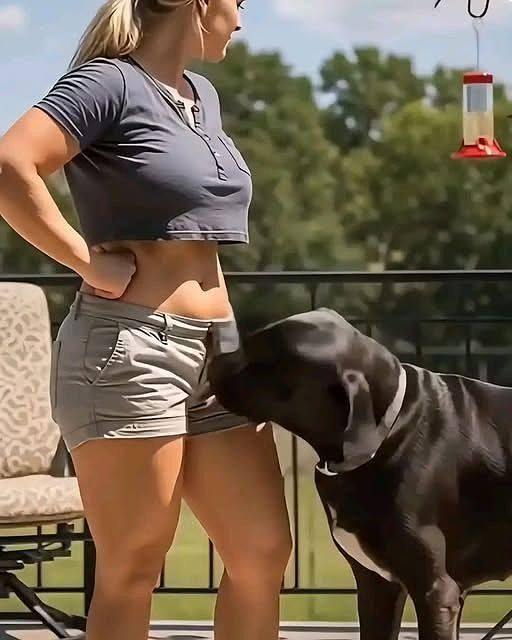
It always seems to happen at the worst possible moment—during a dinner party, at the vet, or on a first date. Your dog suddenly buries their nose somewhere socially unacceptable, leaving you embarrassed and scrambling to pull them away.
But here’s the truth:
Your dog isn’t being rude—they’re communicating.
Once you understand the science behind this behavior, that awkward moment becomes something far more fascinating than embarrassing.
🧠 Dogs Experience the World Through Smell
Humans rely mostly on sight. Dogs? They live through scent.
- Dogs have up to 300 million olfactory receptors
- Humans have only about 5–6 million
- A dog’s smell-processing brain is up to 40 times more powerful than ours
👉 That means your dog isn’t just sniffing—they’re analyzing detailed biological information.
🔬 What Are Dogs Actually “Reading”?
When your dog sniffs a person or another dog, they’re detecting pheromones—chemical signals released by the body.
These signals can reveal:
- Age
- Gender
- Emotional state (stress, fear, calmness)
- Health conditions
- Reproductive status
Areas like the groin or rear contain apocrine glands, which produce the strongest scent signals.
👉 To your dog, this is like reading a biological profile in seconds.
🐕 Is This Behavior Normal?
Yes—completely.
In fact, in the canine world, sniffing is the equivalent of:
- A handshake
- A proper introduction
- Gathering social information
👉 This is not bad behavior—it’s instinct.
⚠️ Why It Feels Embarrassing to Humans
The discomfort comes from human social norms, not from anything your dog is doing wrong.
Dogs don’t understand:
- Personal space boundaries
- Social etiquette
- Cultural expectations
👉 They’re simply using the most advanced sense they have.
🩺 Can Dogs Really Detect Diseases?
Research suggests dogs may be able to detect certain conditions, including:
- Low blood sugar (diabetes)
- Some cancers
- Pregnancy
- Changes in stress hormones
While this ability isn’t perfect or a replacement for medical testing, it shows just how powerful their sense of smell really is.
🐾 How to Manage This Behavior (Without Punishment)
You don’t need to stop your dog from sniffing—you just need to guide it.
✅ Use Positive Redirection
Instead of scolding:
- Say “sit” or “come”
- Reward with a treat
- Redirect attention quickly
👉 This teaches your dog appropriate social behavior without creating fear or confusion.
❌ Avoid Punishment
Punishing your dog can:
- Create anxiety
- Damage trust
- Suppress natural instincts
👉 Remember: they’re not misbehaving—they’re communicating.
🐶 Training Tip: Teach “Polite Greetings”
Over time, your dog can learn different rules for different situations:
- With dogs → normal sniffing is okay
- With people → calmer greetings are expected
Consistency is key. Think of it as teaching your dog social manners, not suppressing instinct.
❤️ The Deeper Meaning Behind the Behavior
When you understand why your dog sniffs, something shifts.
What once felt embarrassing becomes:
- A sign of curiosity
- A form of communication
- A reminder of how differently dogs experience the world
👉 You’re not just training your dog—you’re learning their language.
💡 The Bottom Line
When your dog sniffs someone in an awkward place, it’s not bad behavior—it’s biology.
- Dogs rely on scent the way we rely on sight
- Sniffing is how they gather information and build trust
- With gentle training, you can guide the behavior without suppressing it
🐾 Final Thought
The next time your dog’s nose wanders where it “shouldn’t,” don’t feel embarrassed.
Feel amazed.
Because in that moment, your dog is doing something extraordinary—
reading a world you can’t even perceive.