
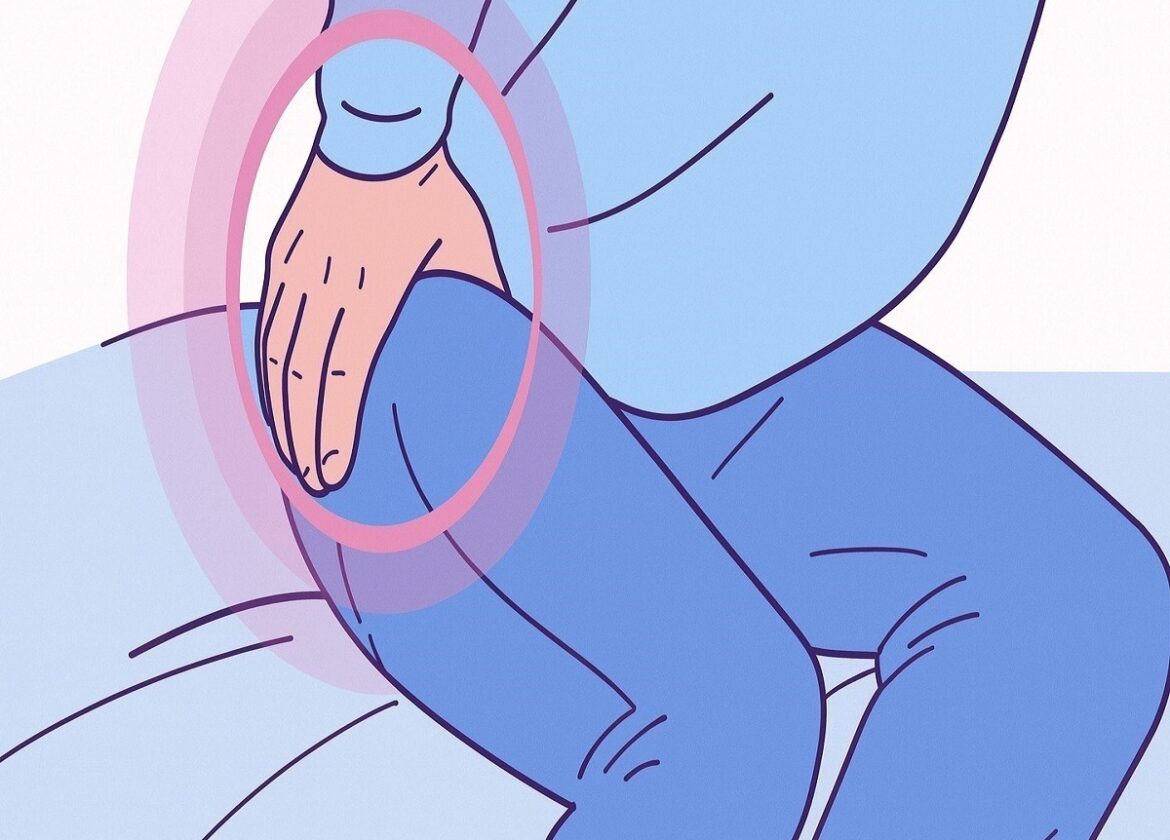
Engaging Introduction
Hip pain can sneak up on you—maybe it starts as a dull ache after a long day, or a sharp twinge when you move the wrong way. Many people brush it off, assuming it’s just part of getting older or temporary soreness. But in reality, your body may be sending an important signal that shouldn’t be ignored.
In today’s fast-paced world, where healthy living, pain relief, and maintaining mobility are essential, understanding hip pain is more important than ever. Whether you’re focused on staying active, improving your quality of life, or simply looking for ways to move without discomfort, paying attention to your hip health is a crucial step.
Why You Should Pay Attention to Hip Pain
- ⚠️ Early warning sign of underlying health issues
- 🚶 Affects mobility and daily activities
- 💪 Impacts overall physical health and fitness
- 🧠 Can influence sleep and mental well-being
- ⏳ Early treatment prevents long-term complications
What Causes Hip Pain?
Hip pain is not always straightforward. The hip joint is a complex system involving bones, cartilage, muscles, tendons, and nerves. Pain can originate directly in the hip—or be referred from nearby areas like the lower back or knees.
Common Causes of Hip Pain
1. Osteoarthritis
- Deep aching pain in the groin
- Morning stiffness
- Grinding sensation with movement
- Caused by cartilage wear and tear
2. Trochanteric Bursitis
- Sharp pain on the outer hip
- Worse when lying on one side
- Caused by inflammation of fluid-filled sacs (bursae)
3. Tendinitis or Muscle Strain
- Aching or pulling sensation
- Often after new or intense activity
- Linked to overuse or tight muscles
4. Hip Labral Tear
- Deep groin pain
- Clicking or catching sensation
- Common in athletes or repetitive movements
5. Sciatica (Referred Pain)
- Pain in the buttock or back of the hip
- Tingling or numbness down the leg
- Caused by nerve compression in the lower spine
6. Avascular Necrosis or Stress Fracture
- Severe or worsening pain
- May occur after repetitive impact or injury
- Requires urgent medical attention
When to Seek Medical Help
You should contact a healthcare provider if you experience:
- ❗ Inability to put weight on your leg
- ❗ Severe pain after a fall or injury
- ❗ Swelling, redness, warmth, or fever
- ❗ Numbness or tingling down the leg
- ❗ Pain that disrupts sleep
- ❗ Symptoms lasting more than 1–2 weeks
These signs don’t always mean something serious—but they should never be ignored.
Is Hip Pain a Serious Health Issue?
Hip pain can range from mild and temporary to a sign of a more serious condition. In many cases, it’s linked to lifestyle factors like overuse, poor posture, or lack of flexibility. However, chronic pain may indicate joint damage or inflammation that requires medical attention.
For those focused on healthy aging, fitness, or maintaining independence, addressing hip pain early is key to preventing long-term mobility issues.
Gentle Ways to Relieve Hip Pain
If your symptoms are mild, these steps may help:
- 🛌 Rest wisely – avoid high-impact activities
- ❄️ Apply ice – 15–20 minutes during flare-ups
- 🧘 Stretch gently – focus on hips, hamstrings, and glutes
- 💊 Use over-the-counter pain relief (if appropriate)
- 👟 Wear supportive shoes to reduce strain
⚠️ Avoid pushing through pain or over-stretching, as this can worsen the condition.
Tips for Best Results
- 🔄 Stay consistent with gentle movement
- 🏃 Avoid sudden increases in activity
- 🪑 Maintain proper posture when sitting
- ⚖️ Maintain a healthy weight to reduce joint stress
- 🩺 Seek early evaluation if pain persists
Variations & Lifestyle Adjustments
- 🧘 Try low-impact exercises like swimming or cycling
- 🛏️ Adjust your sleep position with a pillow between knees
- 🏋️ Add strength training for hip-supporting muscles
- 🧍 Improve daily posture and ergonomics
These small changes can significantly improve long-term joint health.
FAQ Section
1. Can hip pain go away on its own?
Yes, mild cases may improve with rest and care. However, persistent pain should be evaluated.
2. Is hip pain related to back problems?
Yes, conditions like Sciatica can cause pain that feels like it’s coming from the hip.
3. What is the best sleeping position for hip pain?
Sleeping on your side with a pillow between your knees can reduce pressure on the hips.
4. Can exercise help hip pain?
Yes, gentle and low-impact exercises can strengthen muscles and improve flexibility.
5. When should I worry about hip pain?
If it’s severe, persistent, or affects your ability to walk or sleep, seek medical advice.
You May Also Like
- Easy Daily Stretches for Better Flexibility
- Best Low-Impact Workouts for Joint Health
- Healthy Habits for Pain-Free Living
- Simple Mobility Exercises for Beginners
- How to Improve Posture Naturally
- Quick Recovery Tips After Workouts
Final Thoughts
Hip pain isn’t something you should ignore or “push through.” It’s your body’s way of asking for attention and care. By understanding the causes and taking early action, you can protect your mobility, reduce discomfort, and continue enjoying everyday activities.
Your body speaks—listening is the first step toward healing.