Engaging Introduction
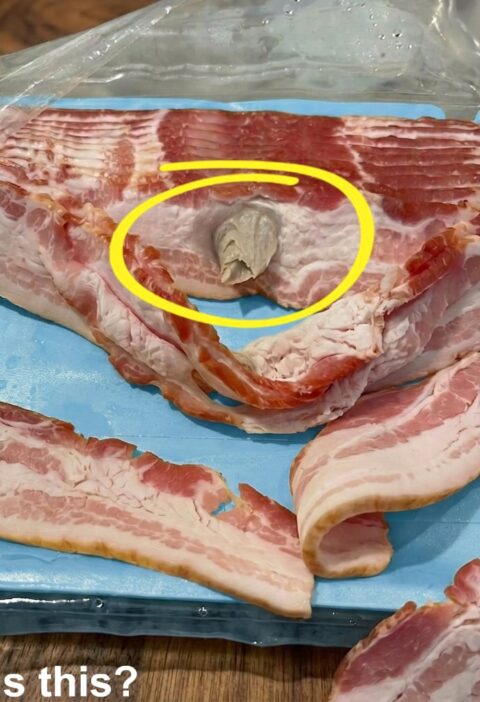
Most of us think about calories, nutrients, and flavor when choosing what to eat—but rarely about what we can’t see. The truth is, some foods can carry microscopic parasites that quietly hitch a ride into your body. It sounds alarming, but understanding the risks is the first step toward safe, healthy eating.
From undercooked meat to raw vegetables, these invisible organisms can show up in everyday meals—even in developed countries with modern food systems. The good news? With a few smart habits, you can significantly reduce your risk and protect your family while still enjoying your favorite foods.
Why This Matters for Your Health
- ✔️ Helps prevent foodborne illness
- ✔️ Supports safer meal prep habits
- ✔️ Protects vulnerable groups (kids, seniors, pregnant women)
- ✔️ Reduces risk of digestive and long-term health issues
- ✔️ Promotes overall healthy eating awareness
Common Parasites in Everyday Foods
Toxoplasma gondii
Often found in undercooked pork, lamb, and venison, this parasite can cause toxoplasmosis.
- Symptoms: Mild flu-like illness in healthy adults
- Higher risk: Pregnant women and immunocompromised individuals
- Can also contaminate fruits and vegetables through soil exposure
Giardia lamblia
Commonly linked to contaminated water but also found on raw produce.
- Causes giardiasis
- Symptoms: Diarrhea, cramps, nausea
- Risk increases with poor food handling or untreated water
Tapeworm
Found in undercooked beef and pork.
- Can grow inside the intestines
- Some types may lead to serious complications like cysts in organs
- Long-term infections can go unnoticed
Anisakis
Associated with raw or undercooked fish.
- Found in sushi, ceviche, and smoked fish
- Symptoms: Severe stomach pain, vomiting, allergic reactions
- Proper freezing can kill larvae
Cryptosporidium
Often present in contaminated water and leafy greens.
- Causes watery diarrhea and dehydration
- Resistant to basic washing
- Cooking is the safest way to eliminate risk
Why Parasites Go Undetected
Unlike bacteria, parasites don’t always change the smell, taste, or appearance of food. This makes them especially tricky:
- Invisible to the naked eye
- Can survive standard washing
- Some resist freezing or pickling
- Symptoms may appear days or weeks later
Because of this delay, people often don’t realize what caused the infection.
Is This a Serious Health Concern?
In most cases, healthy individuals may experience mild or temporary symptoms. However, parasites can pose serious health risks for:
- Older adults
- Pregnant women
- Children
- People with weakened immune systems
Practicing safe food handling is essential for maintaining a healthy lifestyle and avoiding unnecessary health issues.
How to Protect Yourself
Simple habits can dramatically reduce your risk:
Cook Food Thoroughly
- Cook meat to safe internal temperatures
- Avoid undercooked pork, beef, and fish
Wash Produce Properly
- Rinse fruits and vegetables under running water
- Peel when possible
Be Careful with Raw Foods
- Choose reputable sources for sushi or raw dishes
- Avoid raw foods if you’re in a high-risk group
Practice Good Hygiene
- Wash hands before and after handling food
- Clean kitchen surfaces regularly
Use Safe Water
- Drink and cook with treated or filtered water
- Be cautious when traveling
Tips for Safer Meal Prep
- Keep raw and cooked foods separate
- Use different cutting boards for meat and vegetables
- Refrigerate perishable foods promptly
- Avoid cross-contamination in the kitchen
FAQ Section
Can parasites be killed by cooking?
Yes, proper cooking temperatures can kill most parasites.
Is washing vegetables enough?
Washing helps, but it may not remove all parasites. Cooking is more effective.
Are raw foods always dangerous?
Not always, but they carry a higher risk if not handled properly.
Who is most at risk?
Pregnant women, seniors, children, and people with weakened immune systems.
How common are foodborne parasites?
They are more common than many people realize, but preventable with good habits.
You May Also Like
- Safe Food Handling Tips for Every Kitchen
- Healthy Meal Prep Ideas for Busy Families
- Common Food Safety Mistakes to Avoid
- How to Store Food Properly
- Best Practices for Clean Eating
- Understanding Foodborne Illness
Final Thoughts
Parasites in food may be invisible, but the risks they pose are very real. The key isn’t fear—it’s awareness. With proper cooking, smart food handling, and a little extra care, you can continue enjoying your meals with confidence.
At the end of the day, safe food is healthy food—and a few simple habits can make all the difference.