The Tiny Seat Belt Feature Most Drivers Never Use (But Should)
You do it every time you get in the car.
You pull the seat belt across your body…
Click it into place…
And drive.
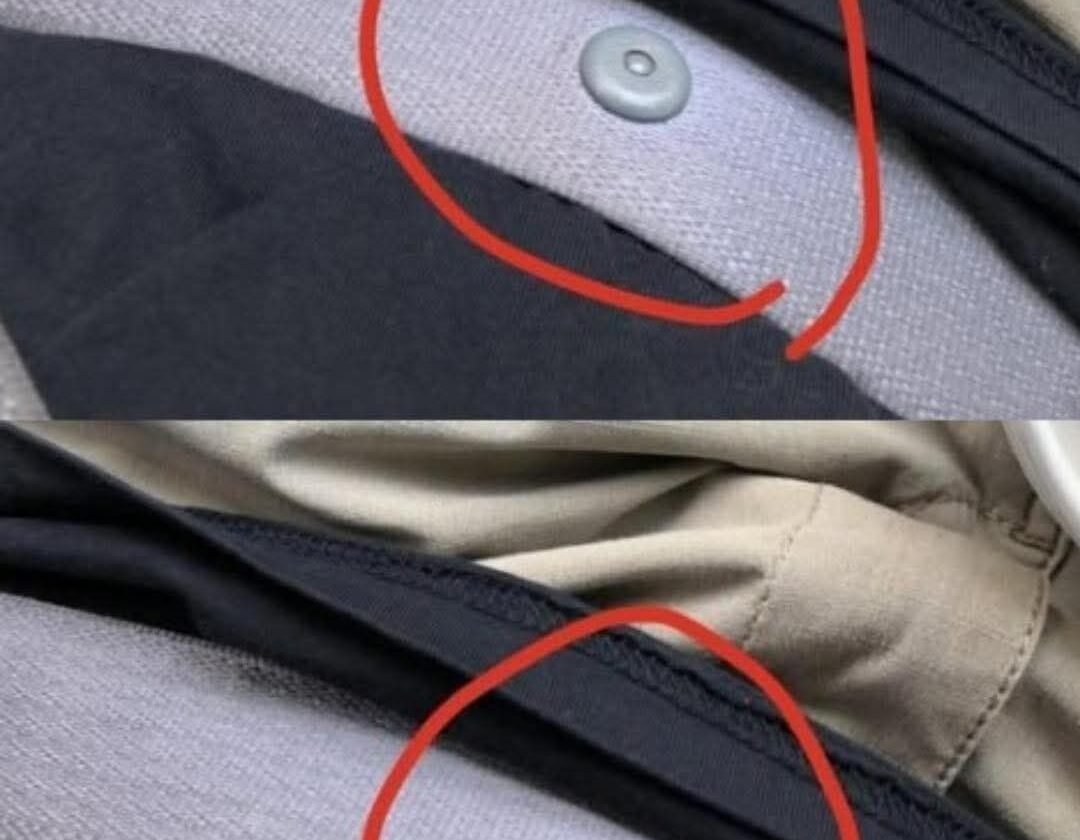
But have you ever noticed the small button where the belt meets the side of the car, near your shoulder?
It’s not broken.
It’s not decorative.
It’s there for a reason—and it actually makes your seat belt safer.
What That Button Really Does
That small button is part of the seat belt height adjuster.
It lets you move the upper anchor point of the belt up or down so it fits your body properly.
Why It Matters
A poorly positioned seat belt isn’t just uncomfortable—it can be less effective in a crash.
- Too high? The belt rubs your neck
- Too low? It can slip off your shoulder
- Wrong fit? It won’t protect you as designed
The correct position:
- Across the middle of your shoulder
- Diagonally across your chest
- Never touching your neck or arm
How to Adjust It
- Find the button near the top of the seat belt track (on the door pillar)
- Press and hold it
- Slide the anchor up or down
- Release it when the belt sits comfortably
- Tug lightly to make sure it locks
That’s it—it takes seconds.
Who Needs This Most?
Honestly—almost everyone. But especially:
- Shorter drivers (to keep the belt off the neck)
- Taller passengers (to prevent slipping)
- Kids using booster seats
- Anyone who finds seat belts uncomfortable
Common Misunderstandings
- “It loosens the belt” → No, it only changes height
- “It’s not important” → Proper positioning improves safety
- “I’ll just ignore it” → Then your seat belt may not work as intended
One Simple Habit That Makes a Difference
Seat belts save lives—but only when worn correctly.
Taking 5 seconds to adjust yours:
- Improves comfort
- Reduces irritation
- Helps the belt do its job in a crash
Final Thought
Not all safety features are obvious.
Some of the most important ones are small, quiet, and easy to ignore.
But that little button by your shoulder?
It’s there to make sure your seat belt fits you—not just the car.
And that small adjustment could make a real difference when it matters most.