Purslane is a fascinating little plant—but the internet tends to oversell it. Let’s separate what’s real, useful, and evidence-based from what’s a bit exaggerated so you can actually benefit from it safely.
🌿 What Is Purslane?
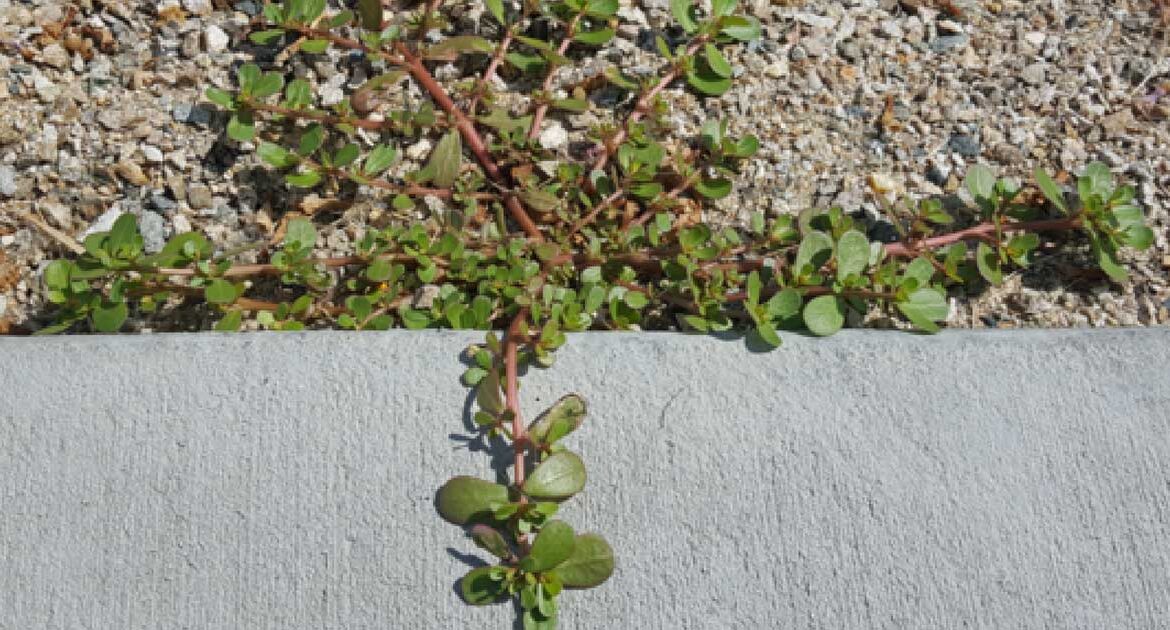
Purslane is a low-growing succulent “weed” that thrives in cracks, gardens, and dry soil. It has small, thick leaves and a slightly lemony, salty taste—great in salads or as a garnish.
✅ Legit Health Benefits (Backed by Nutrition Science)
🛡️ 1. Rich in Antioxidants
Purslane contains antioxidants like:
- Vitamin C
- Vitamin E
- Beta-carotene
These help protect your cells from oxidative stress.
🧂 2. Packed with Minerals
It does contain useful amounts of:
- Magnesium
- Potassium
- Iron
That said, it’s not a miracle source—you’d need regular intake alongside a balanced diet.
🐟 3. A Rare Plant Source of Omega-3s
This is where purslane really stands out.
It contains ALA (alpha-linolenic acid), a plant-based omega-3 fatty acid. While not as potent as fish-based omega-3s, it’s still beneficial—especially if you don’t eat seafood.
❤️ 4. May Support Heart Health
Because of its omega-3s, potassium, and antioxidants, purslane can contribute to heart health as part of an overall healthy diet.
⚠️ Claims That Are Overstated or Weak
Let’s be honest—some points in your list are a stretch:
❌ “Lowers cholesterol significantly”
There are small studies suggesting potential effects, but not strong enough to rely on as a treatment.
❌ “Combats caffeine withdrawal”
There’s no solid scientific evidence for this. It’s more of a folk claim.
❌ “High melatonin = fixes sleep”
Yes, it contains small amounts of melatonin—but not enough to meaningfully treat sleep issues on its own.
❌ “Prevents headaches”
Magnesium helps with headaches, but purslane alone won’t provide a therapeutic dose unless eaten in large quantities.
❌ “Treats depression via tryptophan”
It contains trace amounts, but not at levels that would significantly impact mood clinically.
⚠️ Important Safety Notes (This Part Matters)
Before you start eating it from your yard:
- Correct identification is critical
Purslane has toxic lookalikes (like spurge), which can be harmful. - Avoid polluted areas
Don’t harvest near roadsides or sprayed lawns. - Moderation matters
Purslane contains oxalates, which may contribute to kidney stones in sensitive people.
🍽️ How to Actually Use It
If you want to try it:
- Toss fresh leaves into salads
- Add to sandwiches or wraps
- Lightly sauté like spinach
- Blend into smoothies (small amounts)
🧠 Bottom Line
Purslane isn’t a miracle cure—but it is a genuinely nutritious, underrated plant. Think of it as a healthy addition to your diet, not a replacement for medical treatment.