Why Ear Hair Grows More With Age — And What It May Reveal About Your Health
Most people first notice ear hair gradually. Maybe it catches the bathroom light one morning, or perhaps a barber casually trims a few stray strands during a haircut. At first, it seems like just another small sign of aging—right alongside gray hair, reading glasses, and mysterious knee noises.
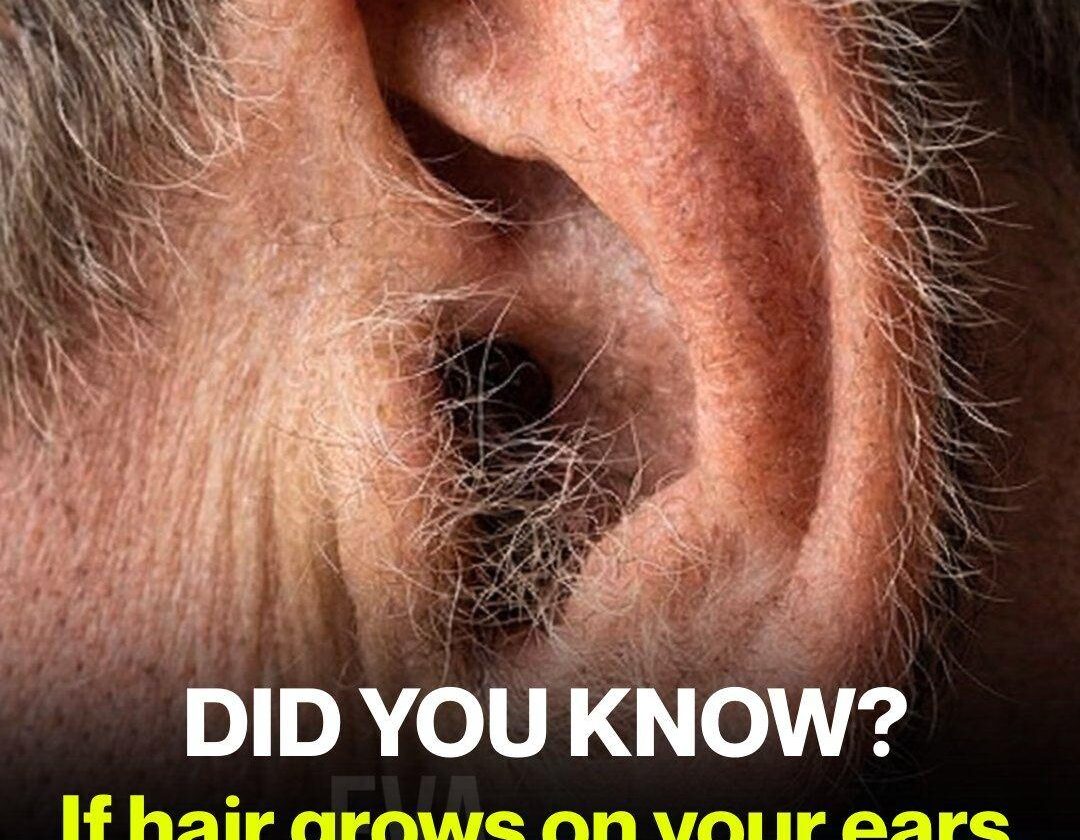
But ear hair is actually more interesting than most people realize. Beneath its awkward cosmetic reputation lies a story about hormones, genetics, and the body’s natural aging process. While it’s usually harmless, ear hair can sometimes offer subtle clues about changes happening inside the body as we grow older.
The truth is, those wiry little strands are far more common—and far more normal—than most people think.
Why Ear Hair Increases With Age
The idea that hair “moves” from the head to the ears and nose is a popular joke, but there’s a small grain of biological truth hidden inside it. Hair doesn’t physically relocate, but aging changes how certain hair follicles respond to hormones.
As a result, hair may thin in some places while becoming thicker and more visible in others.
1. Testosterone Plays a Major Role
One of the biggest factors behind ear hair growth is testosterone and other androgen hormones.
As men age, hair follicles throughout the body respond differently to these hormones:
- Scalp follicles may shrink, contributing to thinning hair or baldness
- Ear, nose, and eyebrow follicles may become more active
- Fine, soft hairs can transform into darker, coarser strands
This is why many older adults notice increased hair growth in areas that previously had very little visible hair.
The process is completely natural and largely controlled by hormone sensitivity—not poor hygiene or grooming habits.
2. Hair Growth Cycles Change Over Time
Hair follicles naturally move through different growth stages. As we age, these cycles can shift.
Ear hairs may remain in the active growth phase longer than they did earlier in life, causing them to grow:
- Thicker
- Longer
- Wirier
- More noticeable
At the same time, the body becomes less efficient at shedding older hairs, which adds to the appearance of increased growth.
3. Aging Skin Makes Hair More Visible
Another reason ear hair seems more dramatic with age has to do with changes in the skin itself.
As skin becomes thinner and loses elasticity over time:
- Hair stands out more clearly
- Contrast between hair and skin increases
- Even moderate hair growth becomes easier to notice
In many cases, there may not actually be much more hair than before—it simply becomes more visible.
4. Genetics Strongly Influence Ear Hair
Genetics often determine who develops noticeable ear hair and who doesn’t.
If close male relatives—especially fathers or grandfathers—had prominent ear hair, there’s a good chance the trait may appear in future generations as well.
Your DNA helps determine:
- Hair follicle sensitivity to hormones
- Hair thickness and texture
- Growth patterns across the body
This is why some people experience significant ear hair growth while others notice very little.
Is Ear Hair a Sign of Health Problems?
In most cases, ear hair is completely harmless and simply part of normal aging. However, sudden or unusually dramatic changes can occasionally signal hormonal shifts worth discussing with a doctor.
Potential warning signs might include:
- Rapid, unexpected hair growth
- Major changes in mood or energy
- Unexplained fatigue
- Other hormone-related symptoms
These situations are uncommon, but it’s always wise to pay attention to noticeable changes in the body.
The Ear Hair and Heart Disease Myth
Over the years, some studies and internet rumors have suggested a connection between ear hair and heart disease.
One commonly mentioned topic is Frank’s Sign, a diagonal crease in the earlobe that researchers once investigated as a possible cardiovascular marker.
Some older research also explored whether excessive ear hair could correlate with increased heart disease risk. However, modern medical consensus considers the evidence inconclusive.
At this time:
- Ear hair alone is not considered a reliable health indicator
- It cannot diagnose cardiovascular disease
- Most doctors view it as a normal cosmetic change related to aging
Still, these discussions highlight how external physical traits can sometimes reflect internal biological processes.
The Safest Ways to Manage Ear Hair
For people who prefer grooming, proper maintenance matters because the ear canal is sensitive and prone to irritation.
Recommended Methods
Trim Carefully
Use:
- Rounded-tip scissors
- Electric ear and nose trimmers
- Grooming tools designed specifically for delicate areas
These methods safely shorten visible hair without damaging the skin.
Keep Tools Clean
Dirty grooming tools can introduce bacteria and increase the risk of irritation or infection.
What NOT to Do
Avoid Plucking
Plucking ear hair can:
- Cause irritation
- Lead to ingrown hairs
- Increase infection risk
- Damage sensitive skin inside the ear
Avoid Waxing the Ear Canal
Waxing may irritate delicate tissue and should generally be avoided unless performed professionally and cautiously.
Why Aging Changes Hair Patterns
Ear hair is just one example of how the body evolves over time.
Aging affects nearly every system in the body, including:
- Hormones
- Skin elasticity
- Hair growth cycles
- Collagen production
- Fat distribution
These gradual changes explain why many people notice:
- Thicker eyebrows
- Increased nose hair
- Gray hair
- Thinning scalp hair
- Changes in body hair patterns
Rather than being flaws, these changes are simply signs of the body adapting over the years.
Final Thoughts
Ear hair may seem like a minor cosmetic annoyance, but it actually reflects a fascinating combination of biology, genetics, hormones, and aging. In most cases, it’s completely normal and harmless—a small reminder that the body is constantly changing throughout life.
While sudden dramatic changes should always be discussed with a healthcare professional, ordinary ear hair growth is rarely something to worry about. It’s simply another chapter in the body’s ongoing story.
So the next time you notice a stray wiry hair in the mirror, there’s no need to panic. Your body isn’t malfunctioning—it’s just doing what human bodies naturally do with time.