SEO Title:
What Purple Paint on Trees Really Means: The Hidden “No Trespassing” Law Many People Don’t Know
Engaging Introduction
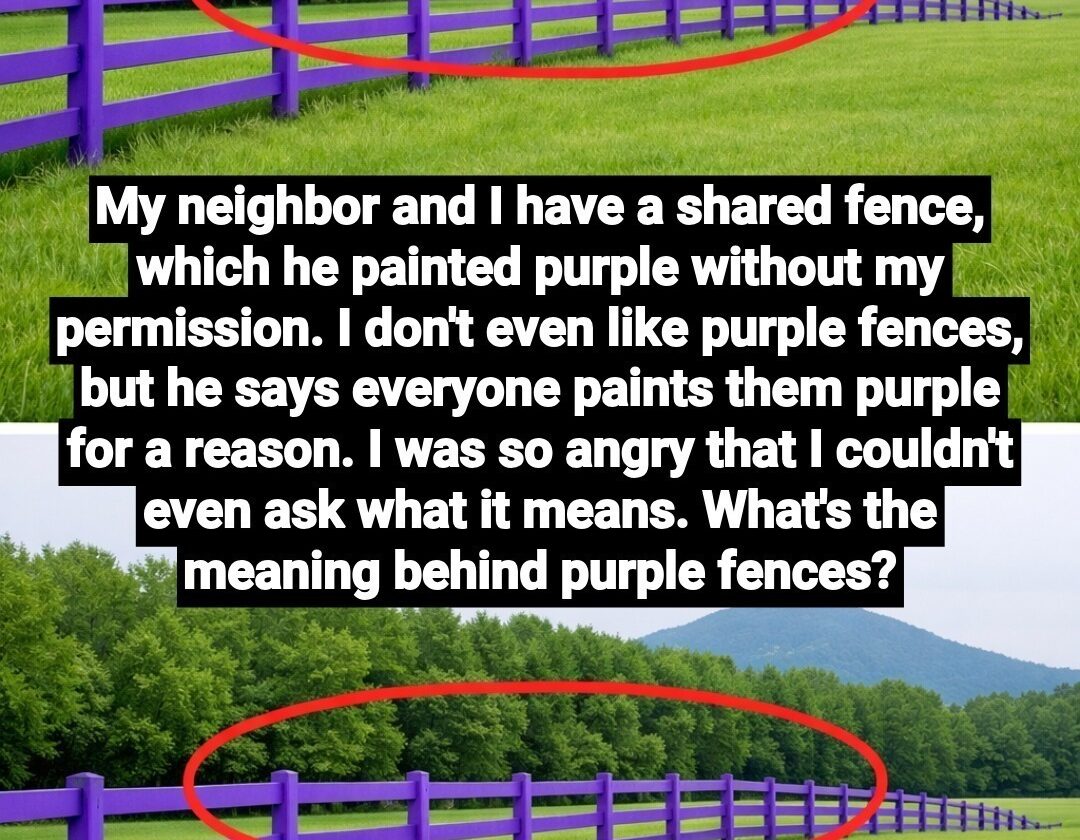
You’re driving down a quiet rural road when something unusual catches your eye: bright purple paint stripes marked on trees or fence posts deep along a property line.
At first glance, it might look random—maybe forestry markings, trail paint, or even leftover construction spray. But in many parts of the United States, those purple marks carry a very serious legal meaning.
In fact, ignoring them could lead to criminal trespassing charges.
Known as the “Purple Paint Law,” this surprisingly common system allows landowners to mark private property boundaries without posting dozens of traditional warning signs. It’s practical, weather-resistant, and legally recognized across many states. Yet millions of people still have no idea what the markings mean.
Whether you enjoy hiking, hunting, fishing, road trips, or exploring rural areas, understanding these purple paint markings could help you avoid accidental trespassing—and potentially expensive legal trouble.
Why You’ll Love This Guide
- Explains the Purple Paint Law in simple language
- Helps hikers, hunters, and travelers avoid trespassing mistakes
- Covers why purple paint is legally recognized
- Includes state examples and common legal rules
- Great for outdoor safety and property awareness
What Does Purple Paint on Trees Mean?
In many U.S. states, purple paint marks serve as an official “No Trespassing” warning.
Instead of hanging traditional signs, property owners paint vertical purple stripes on:
- Trees
- Fence posts
- Wooden stakes
- Rocks
- Boundary markers
These markings legally notify the public that the land is private property.
In states recognizing the Purple Paint Law, the paint often carries the same legal weight as a written “No Trespassing” sign.
Why Was the Purple Paint Law Created?
Large rural properties can stretch across hundreds or even thousands of acres.
Traditional signs present several problems:
- Signs get stolen
- Weather damages them
- Wind blows them down
- Maintenance becomes expensive
- Dense forests make signs hard to place
Purple paint provides a durable, low-maintenance alternative that remains visible for years.
This system is especially popular on:
- Farms
- Ranches
- Timberland
- Hunting property
- Rural acreage
Why Purple?
Purple was chosen very intentionally.
The color:
- Rarely appears naturally in forests
- Stands out against green and brown landscapes
- Resists fading well
- Is easy to recognize from a distance
Some states specifically require a bright shade known as “blaze purple.”
Another practical reason: purple is distinguishable for many people with common forms of color blindness, making it more effective than certain other colors.
States That Recognize Purple Paint Laws
At least 18 states officially recognize purple paint as a legal trespassing warning, including:
- Texas
- Arkansas
- Missouri
- Tennessee
- Florida
- Illinois
- Kansas
- North Carolina
- Virginia
- Indiana
Laws vary slightly by state, but the core meaning remains the same: stay off private property unless you have permission.
How the Purple Paint Must Be Applied
To be legally valid, most states require very specific paint placement rules.
Typical requirements include:
Vertical Stripes
The marks usually must be vertical, not random splashes or horizontal streaks.
Specific Size
Most laws require marks around:
- 8–12 inches long
- About 1 inch wide
Eye-Level Placement
Paint is generally placed:
- 3–5 feet above the ground
This helps ensure visibility to approaching adults.
Regular Spacing
Markers are often required every:
- 100–1,000 feet
depending on terrain and state law.
Example: Texas Purple Paint Law
In Texas, purple paint markings are legally recognized under state trespassing laws.
A person entering marked property without permission may face:
- Criminal trespassing charges
- Fines
- Removal by law enforcement
- Potential arrest
Even if no traditional signs are posted.
This surprises many people because they assume only written signs count legally.
Is This Law Important for Hunters and Hikers?
Absolutely.
Outdoor enthusiasts are among the groups most likely to encounter purple paint markings.
This includes:
- Hunters
- Hikers
- ATV riders
- Campers
- Fishermen
- Photographers
Crossing marked boundaries accidentally can still create legal problems in some states.
Learning to recognize purple paint is considered basic outdoor safety knowledge in many rural areas.
Why Property Owners Prefer Purple Paint
Many landowners prefer paint over signs because it is:
- Cheaper
- Easier to maintain
- Harder to vandalize
- More durable in harsh weather
- Visible year-round
Paint also reduces the need to constantly replace damaged signage.
Common Misunderstandings About Purple Paint
Myth: It’s Just Forestry Marking
While forestry crews sometimes use paint for other purposes, boundary-style purple stripes often indicate private property.
Myth: It’s Only Used in Texas
Many states recognize purple paint laws—not just Texas.
Myth: You Need a Sign Too
In participating states, paint alone may legally qualify as trespassing notice.
Myth: It’s Only for Hunters
The warning applies to everyone, including hikers, drivers, campers, and photographers.
What to Do If You See Purple Paint
If you encounter purple paint markers:
- Do not cross the boundary without permission
- Stay on public trails or roads
- Respect gates and fencing nearby
- Check local laws if unsure
When in doubt, assume the area is private property.
Is This About Safety or Liability?
Both.
Property owners use purple paint to:
- Protect livestock
- Prevent hunting accidents
- Reduce liability risks
- Protect crops and equipment
- Avoid unauthorized access
The system also helps avoid confusion in remote areas where fences or signs may not be practical.
FAQ Section
What does purple paint on a tree mean?
In many U.S. states, it means “No Trespassing” and marks private property boundaries.
Is purple paint legally enforceable?
Yes, in states with Purple Paint Laws, it may carry the same legal weight as a posted sign.
Why don’t landowners just use signs?
Signs can fade, fall down, get stolen, or become expensive to maintain across large properties.
What states use Purple Paint Laws?
States including Texas, Florida, Missouri, Arkansas, Tennessee, and several others recognize the practice.
Can you get fined for ignoring purple paint?
Yes. Entering marked land without permission may result in trespassing charges or fines.
You May Also Like
- Hidden Road Signs Most Drivers Don’t Understand
- Common Property Laws That Surprise Homeowners
- Outdoor Safety Tips for Hikers and Campers
- What Different Trail Markers Mean
- Backyard Wildlife Warning Signs to Know
- Rural Etiquette Rules Every Traveler Should Learn
Final Thoughts
A simple stripe of purple paint may not look important—but in many parts of America, it carries a clear legal message.
For landowners, it’s an affordable way to protect private property. For hikers, hunters, and travelers, it’s a reminder that not every open field or quiet forest is public land.
Sometimes the smallest markings communicate the biggest warnings.
And knowing what they mean could save you from an uncomfortable encounter—or a very expensive mistake.