
Why Electronic Car Door Latches Could Become a Serious Safety Risk
Most of us rarely think about getting trapped inside our own car. Modern vehicles feel safer than ever, packed with airbags, crash sensors, backup cameras, and advanced driver-assistance systems. But one newer feature is quietly raising concerns among drivers and safety experts alike: electronic door latches.
At first glance, electronic latches seem harmless—even convenient. Instead of pulling a traditional mechanical handle, you simply press a button or lightly pull a sleek electronic switch, and the door opens automatically. It feels futuristic and luxurious.
The problem is what happens when the car loses power.
In a serious accident, electrical systems can fail instantly. And if your vehicle depends heavily on electronics to open the doors, escaping the car may suddenly become far more difficult than most drivers realize.
What Are Electronic Door Latches?
Electronic door latches, often called e-latches, replace traditional mechanical door handles with electronically controlled systems.
Instead of directly pulling a cable or latch mechanism:
- A button or electronic switch sends a signal
- The signal activates a motorized latch
- The door unlocks and opens electronically
These systems are becoming increasingly common in modern vehicles because they:
- Reduce mechanical parts
- Improve exterior styling
- Support automated locking features
- Enhance luxury design aesthetics
However, unlike old-school mechanical handles, they rely heavily on electrical power.
Why Power Failure Can Become Dangerous
In many crashes, the vehicle’s battery or electrical system may become damaged or temporarily disabled.
If that happens:
- Electronic buttons may stop responding
- Power door systems may fail
- Occupants could struggle to open the doors quickly
In emergencies involving:
- Fire
- Flooding
- Smoke
- Severe collision damage
Even a few extra seconds can matter enormously.
This is why many drivers are now asking an important question:
Does my car have a manual emergency release?
Do All Cars Have a Manual Backup Release?
Surprisingly, no.
Some automakers include hidden mechanical backup releases designed to work even if the vehicle loses electrical power. Others rely almost entirely on electronic systems, which has raised criticism from safety advocates.
Many drivers don’t even realize their vehicle has a hidden emergency release until they actively search for it.
That’s concerning because in a real emergency, panic and confusion can make hidden safety features difficult to locate.
Vehicles Known for Electronic Door Latches
Several modern vehicles use electronic door systems, including models from:
- Tesla
- BMW
- Mercedes-Benz
- Audi
- Ford
- Chevrolet
Examples include:
- Tesla Model 3
- Tesla Model Y
- Ford Mustang Mach-E
- Chevrolet Corvette
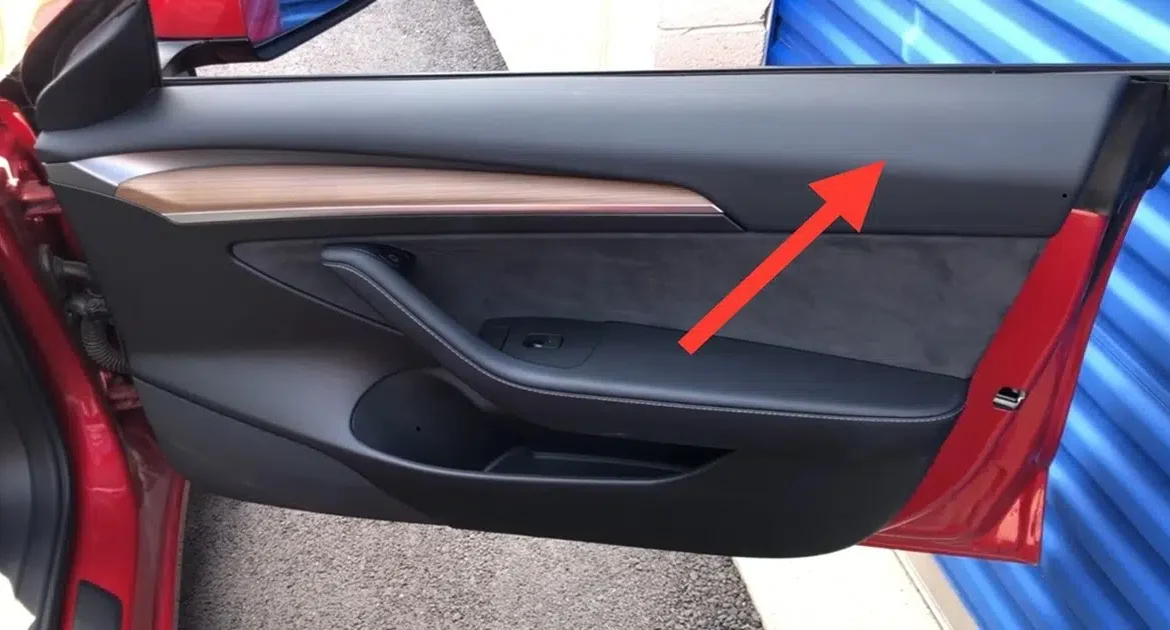
Many of these vehicles do include manual emergency releases—but they are often hidden near:
- Window controls
- Door pockets
- Armrests
- Floor panels
- Inside handle compartments
Because locations vary dramatically between vehicles, every owner should learn where theirs is located.
How to Check If Your Car Has a Manual Release
1. Read the Owner’s Manual
The owner’s manual is the most reliable source of information about emergency door operation.
Search for terms like:
- Emergency door release
- Manual latch override
- Mechanical door release
2. Inspect the Door Panel Carefully
Some manual releases are intentionally subtle to preserve interior styling.
Look near:
- Armrests
- Window switches
- Door handles
- Lower door compartments
3. Contact the Dealership
If the manual is unclear, ask the dealership directly.
Knowing exactly how to escape your vehicle during a power failure is important safety information—not a minor detail.
4. Search Owner Forums
Vehicle owner communities often share photos and videos showing hidden emergency release locations.
Many drivers discover features through other owners rather than official documentation.
Essential Car Safety Tips Everyone Should Know
Practice Using the Manual Release
Finding the emergency release during a calm moment is very different from finding it during panic or darkness.
Practice locating and using it while safely parked.
Muscle memory matters in emergencies.
Teach Your Passengers
If you’re injured or unconscious after a crash, passengers may need to help themselves—or help you.
Everyone who regularly rides in the vehicle should know:
- Where the release is
- How it works
- Which exits are available
Keep an Emergency Escape Tool in the Car
A compact emergency tool can be lifesaving.
Many include:
- Window breakers
- Seatbelt cutters
- Flashlights
Store the tool somewhere reachable from the driver’s seat—not buried in the trunk.
Know Alternative Escape Routes
In some situations:
- Windows may still function
- Another door may open
- The trunk may provide escape access
Many vehicles include glow-in-the-dark emergency trunk releases specifically for this reason.
What If Your Car Has No Manual Door Release?
If electronic latches fail entirely, alternative escape methods become critical.
Potential options include:
Try Another Door
One side of the vehicle may still function normally.
Lower the Windows
If electrical power partially remains, windows may still operate.
Escape Through the Trunk
Some vehicles allow rear-seat access to the trunk area.
Break a Side Window
Emergency escape tools are specifically designed for tempered side glass.
(Front windshields are much harder to break.)
Other Electronic Car Features That Can Fail
Electronic door latches are only one example of increasing vehicle automation.
Other systems that may fail during power loss include:
Electronic Parking Brakes
Many vehicles now use electronic switches instead of manual brake levers.
Some include hidden manual overrides.
Push-Button Start Systems
If a key fob battery dies, many vehicles still offer hidden backup start procedures.
Drivers often don’t learn these until they’re stranded.
Power Steering and Brakes
If the engine stalls:
- Steering becomes much heavier
- Braking requires significantly more force
Many newer drivers have never experienced manual steering effort before.
Electronic Trunk Releases
Some trunks cannot open normally without electrical power unless a manual release exists.
Why This Matters More as Cars Become More Advanced
Modern vehicles are safer in many ways than older cars ever were. But increasing reliance on electronics also creates new types of failure points.
Features designed for convenience can sometimes become liabilities when systems malfunction unexpectedly.
That doesn’t mean electronic vehicles or advanced technology are unsafe. It simply means drivers should understand how their own vehicle operates during worst-case scenarios—not just during everyday driving.
Final Thoughts
Most people spend years driving their cars without ever thinking about emergency escape procedures. But electronic door latches are changing the way some vehicles function during power failures and crashes.
Knowing whether your vehicle has a manual emergency release—and exactly how to use it—could become critically important one day.
Take a few minutes to:
- Read your owner’s manual
- Locate the emergency release
- Practice using it
- Teach your passengers
- Keep an emergency escape tool nearby
Because in a real emergency, there may not be time to figure it out on the spot.