
Why Bleach-Like Spots in Underwear Are Usually Completely Normal, According to Experts
It happens to countless women, often without warning.
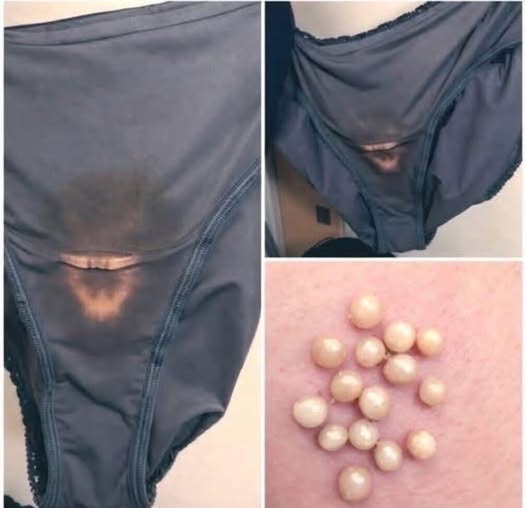
You’re folding laundry or getting dressed when you suddenly notice pale, bleach-like spots in the crotch area of your underwear. For many people, the discovery sparks immediate anxiety. Is it a sign of an infection? Poor hygiene? A hidden health problem?
The good news is that, in most cases, these mysterious marks are actually a completely normal sign of a healthy vaginal environment.
Medical experts explain that the vagina naturally maintains an acidic pH balance designed to protect the body from harmful bacteria and infections. Over time, this natural acidity can react with fabric dyes, especially in darker underwear, causing a subtle bleaching effect.
What may look alarming is often simply biology doing its job.
Why These Bleach-Like Marks Happen
The vagina is naturally self-cleaning and carefully balanced.
A healthy vaginal pH typically falls between 3.8 and 4.5, making it mildly acidic. This acidity helps support beneficial bacteria while discouraging harmful organisms from growing.
That protective acidity can occasionally lighten the dyes used in underwear fabrics, especially:
- Black underwear
- Dark-colored cotton fabrics
- Synthetic materials
- Lower-quality dyes
Over time, repeated exposure may create pale or orange-toned spots that resemble bleach stains.
Your Body Is Designed This Way
Many women are never taught that vaginal discharge can naturally vary in:
- Texture
- Color
- Amount
- Acidity
As a result, perfectly normal body functions can feel confusing or embarrassing.
In reality, mild discharge is usually a healthy sign that the body is:
- Cleaning itself naturally
- Maintaining pH balance
- Protecting against infection
- Supporting vaginal health
These lightened patches are not automatically a sign of being “dirty” or unhealthy.
Why So Many Women Panic About It
Part of the fear comes from the lack of open conversations about women’s health.
Many people grow up hearing very little about:
- Vaginal pH
- Normal discharge
- Hormonal changes
- Reproductive health
Without accurate information, harmless changes can quickly become sources of anxiety and shame.
This is why education matters. Understanding what’s normal can help reduce unnecessary stress and encourage healthier conversations about the body.
What Normal Vaginal Discharge Looks Like
Healthy discharge can vary throughout the menstrual cycle and between individuals.
Normal discharge is often:
- Clear or milky white
- Mild-smelling or odorless
- Slightly stretchy or watery
- Light yellow when dried
Hormones, ovulation, stress, exercise, pregnancy, and birth control can all influence discharge patterns.
When You Should Pay Attention
While bleach-like spots alone are usually harmless, some symptoms should not be ignored.
You should contact a healthcare professional if you notice:
- Strong or unpleasant odor
- Persistent itching
- Burning sensations
- Pain
- Green, gray, or unusually thick discharge
- Sudden major changes in discharge
- Sores or irritation
These symptoms could indicate infections or other medical conditions that require treatment.
Common Conditions That May Cause Abnormal Symptoms
Several health conditions can affect vaginal health, including:
Yeast Infections
Often cause itching, irritation, and thick white discharge.
Bacterial Vaginosis
May produce a strong fishy odor and gray discharge.
Sexually Transmitted Infections (STIs)
Some infections cause unusual discharge, pain, or irritation.
Hormonal Changes
Menopause, pregnancy, and birth control can alter vaginal balance.
If symptoms feel unusual for your body, it’s always reasonable to seek medical guidance.
How to Support a Healthy Vaginal Environment
Experts generally recommend keeping vaginal care simple.
Helpful habits include:
- Wearing breathable cotton underwear
- Avoiding harsh soaps or scented products
- Changing out of wet clothing quickly
- Avoiding unnecessary douching
- Practicing safe sex
- Staying hydrated
The vagina is naturally self-regulating, and overly aggressive cleaning can sometimes disrupt healthy bacteria.
Does Underwear Material Matter?
Yes, fabric choice can influence comfort and moisture balance.
Many gynecologists recommend:
- Cotton underwear for breathability
- Moisture-wicking fabrics during exercise
- Avoiding overly tight clothing for long periods
Dark fabrics may also show bleaching more noticeably than lighter materials.
Breaking the Stigma Around Women’s Health
One of the most important parts of this conversation is reducing shame.
Natural bodily functions are often treated as embarrassing or “taboo,” even though they are normal biological processes experienced by millions of women every day.
Open conversations about vaginal health help people:
- Recognize what’s normal
- Identify when something is wrong
- Feel less isolated
- Seek care without fear or embarrassment
Knowledge replaces panic with confidence.
Frequently Asked Questions
Are bleach spots in underwear normal?
Yes. In many cases, they are caused by the natural acidity of healthy vaginal discharge interacting with fabric dye.
Does this mean poor hygiene?
No. These marks are not usually related to cleanliness.
Can vaginal discharge bleach fabric?
Yes. The vagina’s naturally acidic pH can gradually lighten some fabric dyes over time.
Should I see a doctor?
Only if you also experience symptoms like odor, itching, pain, burning, or unusual discharge changes.
Can diet or hormones affect discharge?
Yes. Hormones, stress, medications, hydration, and diet can all influence discharge patterns.
Final Thoughts
Finding bleach-like spots in underwear can feel surprising at first, especially if no one has ever explained why they happen. But in most cases, these marks are simply evidence of a healthy vaginal environment doing exactly what it is designed to do.
The body constantly works to maintain balance and protect itself, often in ways many people were never taught to understand.
Rather than reacting with fear or embarrassment, understanding the science behind these changes can bring reassurance and confidence. And when something truly does feel abnormal, listening to your body and seeking professional care is always the best approach.
Sometimes the most powerful form of self-care is simply knowing what’s normal.