Sleep Paralysis: Why Your Body Freezes While Your Mind Wakes Up
Imagine opening your eyes in the middle of the night and realizing you can’t move.
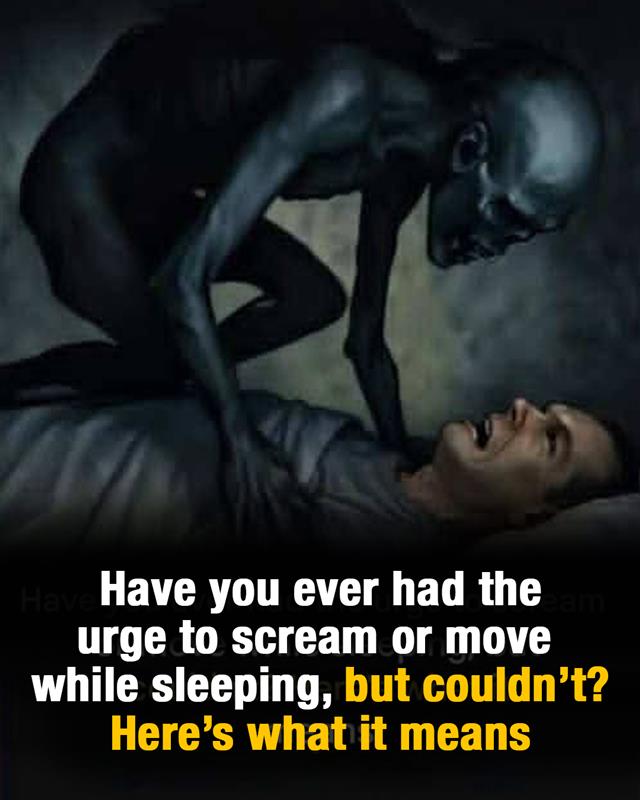
Your mind is awake. You can see your room. You may even hear sounds around you. But your body refuses to respond. Your chest feels heavy. Panic rises instantly. Some people swear they see a shadow standing nearby or feel a terrifying presence watching them.
For centuries, experiences like this were blamed on demons, curses, ghosts, or supernatural attacks.
In reality, there’s a scientific explanation — and it’s called sleep paralysis.
Even though it feels horrifying in the moment, sleep paralysis is actually a temporary sleep phenomenon that millions of people experience at least once in their lives. Understanding what causes it can make the experience far less frightening and help reduce future episodes.
What Is Sleep Paralysis?
Sleep paralysis happens when the brain wakes up before the body fully exits REM sleep.
During REM (Rapid Eye Movement) sleep, the brain temporarily “switches off” most muscle movement. This natural paralysis prevents people from physically acting out their dreams while sleeping.
Normally, the brain and body wake up together.
But during sleep paralysis, the brain becomes conscious while the body remains stuck in that temporary REM paralysis for a few seconds or minutes.
That mismatch creates the terrifying sensation of being awake but unable to move, speak, or react.
Why It Feels So Real
One reason sleep paralysis feels so disturbing is because the brain is partially still in dream mode.
As the brain tries to understand why the body cannot move, it may create vivid hallucinations or sensations, including:
- Seeing shadowy figures or people in the room
- Feeling pressure on the chest
- Hearing whispers, footsteps, or voices
- Sensing an “evil presence”
- Feeling like someone is touching or holding you down
- Experiencing intense fear or panic
These experiences can feel completely real because parts of the dreaming brain remain active during wakefulness.
The chest pressure is especially common because breathing naturally becomes slower and shallower during REM sleep. Once awake, the brain may interpret that sensation as suffocation or pressure from an outside force.
Common Causes and Triggers
Sleep paralysis can happen to anyone, but certain factors increase the likelihood of episodes.
Common triggers include:
- Sleep deprivation
- Irregular sleep schedules
- High stress or anxiety
- Sleeping on your back
- Jet lag or disrupted routines
- Exhaustion
- Certain sleep disorders like narcolepsy
People often report episodes during particularly stressful periods of life when the body and brain are already struggling to rest properly.
How Long Does It Last?
Most episodes last:
- A few seconds
- Up to 1–2 minutes in some cases
Even though it feels endless in the moment, the paralysis always ends once the brain and body fully reconnect.
Afterward, many people wake up sweating, frightened, or afraid to fall back asleep.
What To Do During an Episode
The most important thing to remember is this:
Sleep paralysis cannot harm you.
The experience is temporary and will pass.
If it happens, try to:
Focus on slow breathing
Panic increases the feeling of terror. Slow breaths help calm the nervous system.
Try moving one small muscle
Instead of forcing your whole body to move, focus on:
- Wiggling a toe
- Moving a fingertip
- Blinking repeatedly
Small movements often help “break” the paralysis faster.
Remind yourself what’s happening
Recognizing the experience as sleep paralysis can reduce fear and prevent the mind from escalating the hallucinations.
How To Reduce Future Episodes
Certain habits can significantly lower the chances of recurring sleep paralysis.
Helpful prevention strategies:
- Maintain a consistent sleep schedule
- Aim for adequate sleep every night
- Reduce stress before bed
- Limit screens and bright light late at night
- Avoid sleeping completely exhausted
- Create a calm nighttime routine
For frequent or severe episodes, speaking with a healthcare professional or sleep specialist may help identify underlying sleep disorders.
Why People Used To Think It Was Supernatural
Before modern sleep science existed, people had no explanation for waking up frozen while seeing frightening visions.
Different cultures created supernatural explanations, including:
- Demons sitting on the chest
- Ghostly visitors
- Witchcraft
- Alien abductions
- Spiritual attacks
Today, researchers understand that these sensations come from the overlap between REM dreaming and wakefulness — not from paranormal forces.
The Bottom Line
Sleep paralysis can feel terrifying because the brain wakes up while the body is still temporarily “offline” in REM sleep mode.
The inability to move, combined with vivid hallucinations and chest pressure, creates an experience that feels intensely real. But despite how frightening it seems, sleep paralysis is harmless and temporary.
Understanding the science behind it helps replace fear with clarity.
You are not cursed.
You are not losing your mind.
And you are definitely not alone.
Sometimes the scariest experiences have surprisingly human explanations — and knowing the truth can make all the difference.