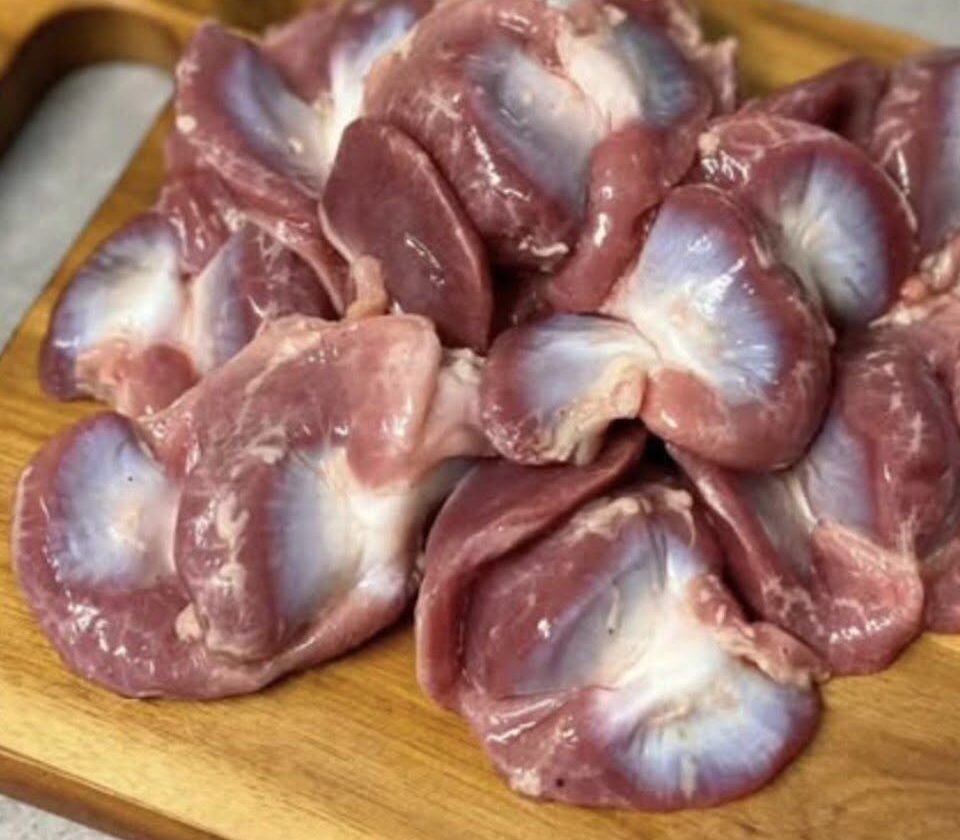
Chicken Gizzards: The Underrated Superfood Hiding in Plain Sight
Don’t let their humble reputation fool you. Chicken gizzards aren’t scraps, leftovers, or second-rate cuts of meat. They’re one of the most nutrient-dense, affordable, and versatile proteins you can put on your table.
While chicken breasts and thighs dominate grocery store shelves, gizzards quietly deliver an impressive package of vitamins, minerals, and high-quality protein that often rivals more popular cuts.
If you’ve never cooked them before, you’re not alone. But once you discover what they offer—and learn how to turn their naturally firm texture into something rich, tender, and deeply satisfying—you may wonder why they aren’t already part of your regular meal rotation.
A Nutritional Powerhouse in a Small Package
Gram for gram, chicken gizzards deliver exceptional nutrition for very few calories.
A typical 3-ounce serving provides:
- 20 to 24 grams of high-quality protein to support muscle maintenance, recovery, and long-lasting fullness.
- More than 75% of your daily Vitamin B12 needs, helping support healthy nerves, brain function, and red blood cell production.
- Around 50% of your daily Niacin (Vitamin B3), which helps your body convert food into energy.
- Highly absorbable heme iron, important for maintaining healthy oxygen transport and energy levels.
- Zinc and selenium, two essential minerals that support immunity and antioxidant defenses.
- Choline, a nutrient linked to brain health, liver function, and cellular communication.
- Very little fat and virtually no carbohydrates, making gizzards naturally suitable for low-carb, keto, and paleo diets.
For anyone trying to maximize nutrition without spending a fortune, chicken gizzards are difficult to beat.
Why Are Gizzards So Tough?
Unlike many other cuts of chicken, the gizzard is a hardworking muscle.
Its job is to help birds grind food during digestion, which means it develops a dense, firm texture. But with the right cooking method, that toughness transforms into tenderness.
The secret is simple:
Low heat and plenty of time.
Patience turns gizzards from chewy to melt-in-your-mouth tender.
How to Cook Chicken Gizzards Perfectly
Step 1: Clean and Trim
Rinse the gizzards under cold water and remove any visible membranes or tough connective tissue.
Cut larger pieces into bite-sized portions if desired.
Step 2: Brown for Extra Flavor
Heat one tablespoon of oil in a heavy pot over medium-high heat.
Sear the gizzards for three to four minutes on each side until lightly browned.
This step isn’t required, but it adds incredible depth of flavor.
Step 3: Braise Low and Slow
Add:
- 1 sliced onion
- 2 minced garlic cloves
- 1 cup chicken broth
- 1 bay leaf
- Salt and pepper
- Paprika, thyme, or your favorite seasonings
Bring everything to a gentle simmer, cover, and cook for 60 to 90 minutes until the gizzards become fork tender.
Step 4: Serve and Enjoy
Once tender, gizzards can be served over:
- Rice
- Mashed potatoes
- Polenta
- Pasta
- Roasted vegetables
Or they can become the base for dozens of other dishes.
Short on Time?
A pressure cooker or Instant Pot can reduce cooking time to just 25 to 30 minutes while producing equally tender results.
Delicious Ways to Use Chicken Gizzards
One of the best things about gizzards is how well they absorb flavors.
Southern-Style Gizzard Stew
Cook them with potatoes, carrots, onions, and rich gravy for a comforting classic.
Grilled Gizzard Skewers
Marinate in soy sauce, garlic, ginger, and a touch of honey before grilling until lightly charred.
Homemade Gizzard Pâté
Blend cooked gizzards with butter, herbs, and a splash of brandy for an elegant spread.
Tacos and Empanadas
Shred tender gizzards and season with cumin, chili powder, and smoked paprika.
Soups and Gumbo
Add them to broths and stews for extra protein and incredible depth of flavor.
And don’t throw away the cooking liquid.
The broth becomes rich with collagen, minerals, and savory flavor that can be used in soups, grains, or sauces.
Frequently Asked Questions
Are chicken gizzards safe to eat?
Yes.
Like all poultry products, they should be cooked to an internal temperature of 165°F (74°C). Proper cleaning and cooking make them completely safe and delicious.
Where can I buy them?
Many supermarkets carry gizzards in the poultry section, either fresh or frozen.
They’re also commonly available at butcher shops, farmers markets, and Asian or Latin grocery stores.
Can I freeze them?
Absolutely.
Both raw and cooked gizzards freeze well for up to six months when stored properly.
Do gizzards taste like liver?
Not at all.
Unlike liver, which has a strong mineral flavor, gizzards taste much closer to dark chicken meat with a slightly richer, meatier profile.
More Than Food: Why Gizzards Matter
Choosing gizzards isn’t just a nutritional decision.
It’s also a practical and sustainable one.
Less Waste
Using more parts of the animal honors traditional cooking methods and reduces food waste.
Budget Friendly
Gizzards remain one of the least expensive sources of animal protein available.
Better Sustainability
Making use of the entire bird improves food efficiency and lowers waste throughout the food system.
A Global Tradition
Chicken gizzards are beloved in cuisines around the world.
In Brazil, moela is a popular snack often grilled and finished with fresh lime.
You’ll also find gizzards featured in traditional dishes throughout West Africa, Southeast Asia, Latin America, and the Southern United States.
These aren’t unusual foods.
They’re simply foods that many modern kitchens forgot.
The Bottom Line
Food wisdom isn’t always about discovering something new.
Sometimes it’s about rediscovering something we’ve overlooked.
Chicken gizzards offer remarkable nutrition, impressive versatility, and incredible value, all while connecting us to generations of cooks who understood how to use every part of the animal with care and respect.
The next time you’re at the market, consider reaching past the usual cuts.
Give gizzards a chance.
Cook them slowly.
Season them generously.
And let them surprise you.
Because sometimes the most extraordinary ingredients are the ones hiding in plain sight.