Unexplained Bruises: When They’re Normal, When to Pay Attention, and What Your Body May Be Telling You
Most of us have discovered a bruise and immediately wondered: “Where did that come from?”
A bump against a table corner, carrying heavy bags, or even an intense workout can leave behind a colorful mark that appears days later. But when bruises seem to appear out of nowhere, it’s natural to feel concerned.
Social media often fuels fears by claiming that unexplained bruising automatically means something serious. Fortunately, that is rarely the case.
Most unexplained bruises are harmless and disappear on their own within a couple of weeks. Still, understanding why they happen can help you know when to relax—and when it’s worth checking with a healthcare professional.
What Exactly Is a Bruise?
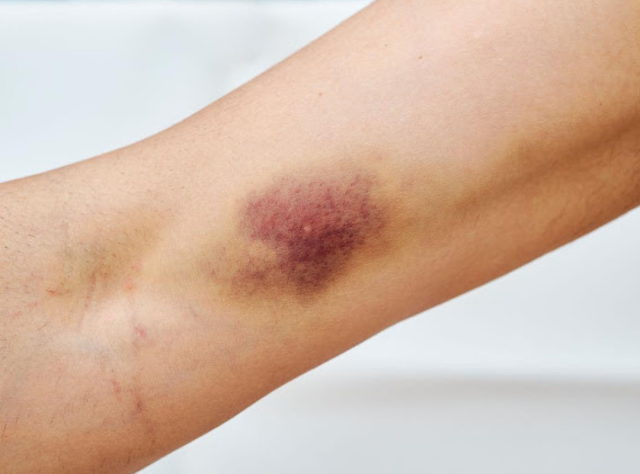
A bruise, also called a contusion, happens when tiny blood vessels beneath the skin break and leak blood into surrounding tissue.
As your body clears away this trapped blood, the bruise changes color:
- Days 1–2: Purple, blue, or black
- Days 3–6: Green
- Days 7–10: Yellow or brown
- Days 11–14: Gradually fades away
Those color changes are actually a sign that your body is healing normally.
Common Reasons You May Bruise Easily
1. Aging Skin
As we age, skin becomes thinner and loses some of the protective fat that cushions blood vessels. Even minor bumps that once left no mark may now cause visible bruises.
2. Medications and Supplements
Certain medications can make bruising more common, including:
- Blood thinners
- Aspirin
- Corticosteroids
- Anti-inflammatory medications such as Ibuprofen
Some supplements, including fish oil, vitamin E, and ginkgo, may also contribute.
3. Vitamin Deficiencies
Low levels of vitamins C and K can affect blood vessel strength and normal clotting function.
4. Sun Damage
Years of sun exposure can weaken collagen in the skin, making blood vessels more vulnerable.
5. Strenuous Exercise
Heavy workouts and weightlifting can sometimes cause tiny blood vessel injuries that lead to bruising.
Can Bruising Be a Sign of Something Serious?
Occasionally, frequent unexplained bruising may be associated with medical conditions that affect blood clotting or blood cell production.
Examples include:
- Leukemia
- Lymphoma
- Liver disease
- Platelet disorders
However, bruising alone is rarely the only symptom.
Doctors look for a combination of symptoms, examination findings, and blood tests before considering these conditions.
Warning Signs That Should Prompt a Medical Evaluation
Consider speaking with a healthcare professional if bruising occurs alongside:
- Tiny red or purple spots called petechiae
- Frequent nosebleeds or bleeding gums
- Severe or unusual fatigue
- Unexplained weight loss
- Frequent infections
- Swollen lymph nodes
- Bruises that appear frequently without obvious injury
- Very large or painful bruises
These symptoms do not necessarily indicate a serious illness, but they deserve medical attention.
How to Monitor Unexplained Bruises
A simple record can help both you and your doctor:
Take a Photo
Photograph the bruise in good lighting and include an object for size comparison.
Note the Details
Record:
- Date it appeared
- Location
- Approximate size
- Pain level
Watch the Healing Process
Normal bruises gradually change color and shrink over time.
How to Treat a Fresh Bruise
During the First 48 Hours
Apply a cold compress for 10 to 15 minutes several times daily to reduce swelling.
After 48 Hours
Switch to a warm compress to improve circulation and speed healing.
Support Your Body
A balanced diet rich in fruits, vegetables, and lean protein helps maintain healthy blood vessels and normal clotting.
Frequently Asked Questions
Can stress cause bruising?
Stress does not directly cause bruises, but long-term stress may indirectly contribute through changes in sleep, nutrition, and overall health.
Why do bruises itch while healing?
Healing bruises can release histamines, which may cause mild itching as the skin repairs itself.
Does Arnica help bruises?
Some people find topical Arnica helpful for reducing swelling and discoloration, although scientific evidence is mixed.
Should I stop taking aspirin if I bruise easily?
Never stop prescribed medication without medical advice. If bruising becomes severe or concerning, speak with your healthcare provider.
The Bottom Line
Most unexplained bruises are simply the result of forgotten bumps, exercise, aging skin, or medications.
But your body deserves attention, not fear.
If bruises are becoming more frequent, unusually large, or are accompanied by other symptoms, a medical evaluation can provide reassurance and answers.
More often than not, that mysterious bruise is simply evidence that your body’s healing system is doing exactly what it was designed to do.