Celebrity Death Rumors: How to Tell If a Viral “Rest in Peace” Post Is Real
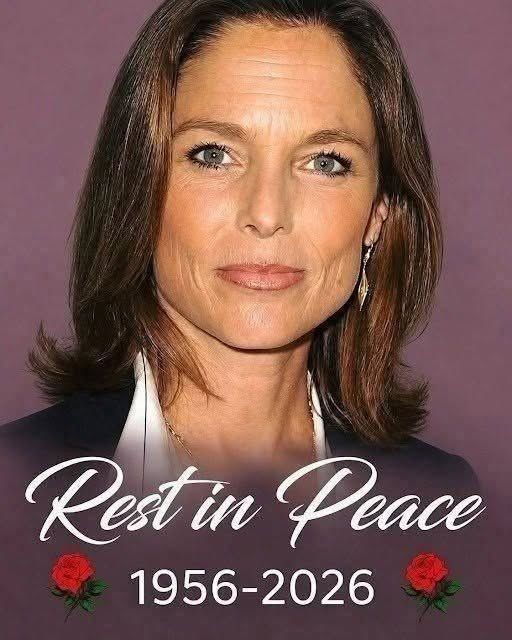
A photograph suddenly appears on social media.
Across the image are the words “Rest in Peace.”
Underneath is a date of birth and an alleged date of death.
Then comes the familiar instruction:
“Check the comments for the full story.”
Within minutes, people may begin reacting.
Some express disbelief. Others leave messages of sympathy. Fans share memories of favorite movies, television shows, songs, or performances. Before anyone has established whether the announcement is legitimate, the post may already have been shared across multiple social-media platforms.
But there is an important lesson to remember:
A dramatic memorial image is not the same thing as verified news.
In the age of viral content, emotional claims can spread much faster than accurate information. That is why celebrity death announcements—particularly those appearing without a recognizable news organization, official representative, or credible source—deserve careful verification before anyone shares them.
Why Celebrity Death Rumors Spread So Quickly
Celebrity death rumors can trigger an immediate emotional response.
Someone may have grown up watching a particular actress on television. Another person may associate an actor’s movies with childhood memories. A singer’s music may have been part of someone’s most important moments.
When a post suddenly claims that a familiar celebrity has died, the reaction is often instinctive:
“Is this real?”
“What happened?”
“I can’t believe they’re gone.”
That emotional response is completely understandable.
The problem is that people may share the information before checking whether it is actually true.
One person shares the post with friends. Those people share it with their followers. Others repost screenshots or repeat the claim in videos and comments.
Eventually, an unverified statement can begin to look legitimate simply because so many people are repeating it.
But popularity is not verification.
A claim does not become true because thousands of people have shared it.
The Problem With “Rest in Peace” Graphics
One of the most recognizable forms of celebrity misinformation is the memorial graphic.
These images often include:
- A large photograph of the celebrity
- The words “Rest in Peace”
- A dark or black background
- Candles, flowers, or other memorial imagery
- An alleged date of death
- Emotional statements about the person’s legacy
At first glance, the image can appear official.
But an attractive or professional-looking graphic does not prove that the information is legitimate.
Modern image-editing tools make it relatively easy to combine a photograph with dates, text, and memorial designs. The finished image can look convincing without being connected to a family member, representative, news organization, or other reliable source.
That’s why an image alone should never be treated as confirmation of a death.
The most important question is:
Who confirmed it?
If there is no clear answer, the claim deserves further investigation.
Why “Check the Comments” Should Make You Pause
Another common feature of viral posts is the instruction to find the supposed details somewhere else.
You may see phrases such as:
- “Full story in the comments.”
- “Read the first comment.”
- “Click below for details.”
- “More information coming soon.”
These phrases can encourage curiosity and interaction.
A person sees a vague announcement and immediately wants to know what happened.
That curiosity creates engagement.
Comments, reactions, shares, and clicks can all help increase the visibility of social-media content. A dramatic post may therefore spread rapidly even when the original claim has not been independently verified.
This is one reason emotional and mysterious posts can attract so much attention.
The Economics Behind Clickbait
There can also be a financial incentive behind sensational online content.
Many websites and digital publishers rely on advertising revenue. More visitors can create more opportunities to display advertisements, which means attracting attention can have financial value.
A straightforward headline may receive limited interest.
A sensational headline, however, can create immediate curiosity.
For example:
“Beloved Hollywood Actress Dies Suddenly—Fans Are Heartbroken”
A reader may immediately want to know who died, what happened, and whether the report is true.
That curiosity can lead to a click before the reader has stopped to evaluate the source.
This is the basic appeal of clickbait: the headline creates a strong enough emotional reaction that people feel compelled to find out more.
Emotional Headlines Are Especially Powerful
Not all misleading headlines have the same impact.
Content involving strong emotions tends to attract attention particularly quickly.
Death is one of the strongest examples.
Other powerful emotional triggers include fear, anger, outrage, surprise, and nostalgia.
That’s why viral posts may use phrases such as:
- “Heartbreaking news…”
- “Fans are devastated…”
- “Hollywood is in mourning…”
- “Gone too soon…”
- “We have lost another legend…”
- “Her family has confirmed…”
The presence of emotional language does not automatically mean a story is false.
However, emotional language should encourage you to verify the claim rather than immediately share it.
How to Verify a Celebrity Death Report
If you encounter a celebrity death announcement online, take a few minutes to investigate before believing or sharing it.
1. Look for a Reliable News Source
Search for the celebrity’s name along with terms such as death, died, or official statement.
Look for established news organizations or reputable publications reporting the same information.
2. Check Official Sources
If the death is genuine, information may eventually appear through an official family statement, representative, verified social-media account, professional organization, or other authoritative source.
However, be careful with accounts that merely look official.
3. Check the Date
Old stories and previous rumors are frequently recycled as new content.
A post appearing today does not necessarily mean the information is new.
4. Look Beyond Social Media
Don’t rely solely on Facebook posts, TikTok videos, screenshots, or anonymous accounts.
Search engines and established news sources can help determine whether multiple credible sources are reporting the same event.
5. Be Suspicious of Vague Sources
Statements such as “sources say,” “people close to the family,” or “the news is spreading online” are not the same as independent confirmation.
Ask yourself whether the original source can actually be identified.
What If the Story Is Not Yet Confirmed?
Sometimes genuine news takes time to confirm.
In those situations, the safest approach is simply to wait.
You do not need to share an unverified death announcement just because other people are doing so.
A responsible response is:
“This has not been independently confirmed yet.”
That is far better than accidentally helping spread false information about someone’s death.
Why False Celebrity Death Reports Can Be Harmful
Celebrity death hoaxes may seem harmless because the person involved is famous.
They aren’t necessarily harmless.
False reports can cause unnecessary distress for family members, friends, colleagues, and fans. They can also create confusion when people encounter conflicting information across different platforms.
For the celebrity involved, repeatedly being declared dead online can become a serious harassment and misinformation problem.
The speed of social media makes correcting a false claim particularly difficult.
A rumor can reach millions of people before a correction reaches a fraction of that audience.