Engaging Introduction
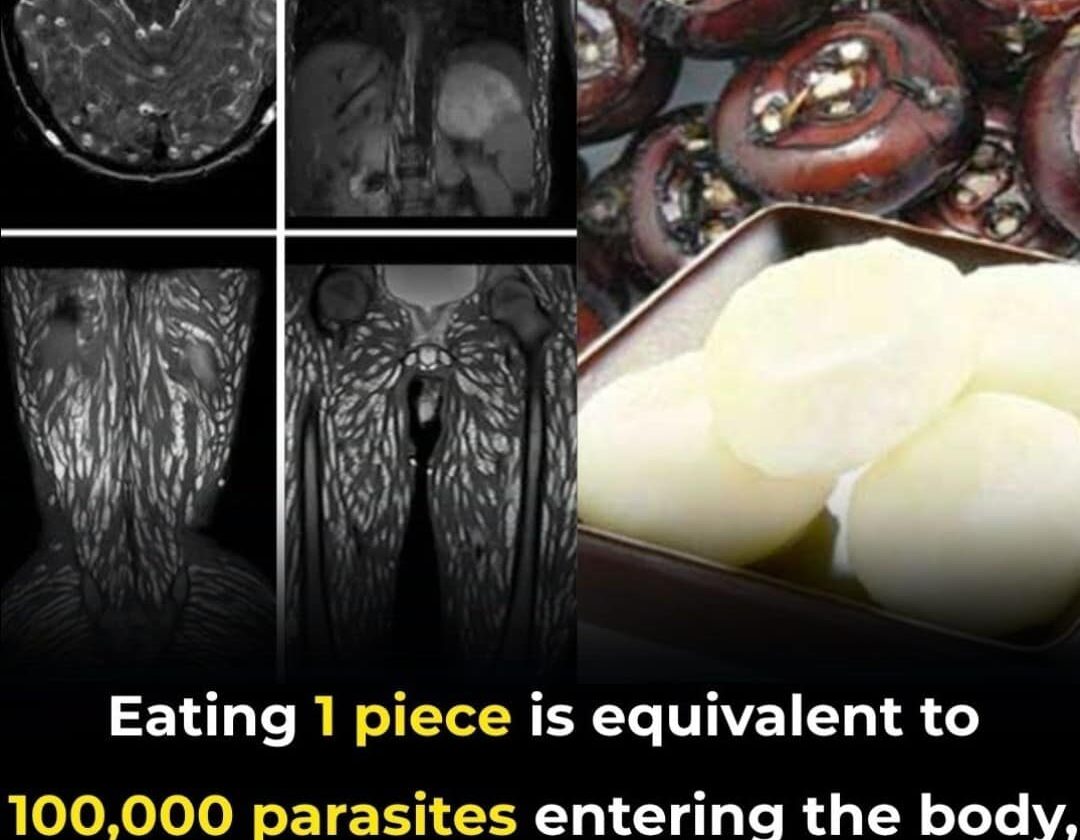
Every few months, a shocking food warning spreads across the internet. It usually sounds something like this: “One bite of this food equals 100,000 parasites entering your body.” The message spreads quickly through social media, emails, and messaging apps. Within hours, thousands of people are sharing it, warning friends and family to avoid the mysterious food.
The problem? Most of these viral claims are built on fear, not facts. They use dramatic numbers and vague wording to trigger panic before people stop to question the science. In today’s world of viral information, scary food myths often spread faster than reliable health advice.
If you’re focused on healthy eating, weight loss, meal prep, or maintaining a balanced diet, it’s important to understand the difference between real food safety risks and exaggerated internet rumors. Let’s take a closer look at what’s actually true about parasites in food—and how to keep yourself and your family safe.
Why These Scary Food Warnings Spread So Quickly
The internet loves dramatic headlines. When a message claims that a single bite of food could infect your body with thousands of parasites, it instantly triggers fear and curiosity.
There are a few key reasons these warnings go viral:
- Fear grabs attention – Parasites are naturally unsettling to think about.
- Huge numbers sound convincing – “100,000 parasites” feels shocking and believable.
- Vague wording sparks imagination – If the food isn’t clearly named, people assume it could be something they eat every day.
- Social sharing multiplies panic – Many people share first and question later.
Unfortunately, this cycle allows misinformation to spread quickly—even when there’s no scientific evidence behind the claim.
The Reality About Parasites and Food
Parasites are real organisms, and some can be transmitted through food. However, the situation is very different from the extreme claims often seen online.
In real life:
- Parasites are linked to specific foods, not random bites of everyday meals.
- Transmission depends on preparation methods, not simply eating the food itself.
- Proper cooking and freezing destroy most parasites.
- Food safety standards in developed countries significantly reduce risks.
No credible scientific source supports the idea that one bite of food automatically releases tens of thousands of parasites into the body. Real infections are far more complex and usually involve raw or undercooked foods, contaminated water, or poor sanitation.
In other words, the everyday meals people prepare at home—especially when properly cooked—are very unlikely to cause these extreme outcomes.
Why Vague Food Warnings Are a Red Flag
One of the biggest clues that a warning is misleading is lack of specific details.
Reliable health information usually explains:
- The exact food involved
- The specific parasite
- How the infection occurs
- How to prevent it
Viral scare messages rarely provide this level of detail. Instead, they rely on mystery and shock value.
When a warning fails to clearly explain the science behind the risk, it’s usually designed to create panic rather than provide useful health guidance.
Is This Information Healthy to Follow?
From a health perspective, constantly fearing everyday foods can actually be harmful. Extreme food fears can lead people to avoid nutritious meals that are part of a balanced diet.
A healthy approach to eating focuses on:
- Balanced nutrition
- Safe food preparation
- Reliable health information
- Moderation rather than fear
Instead of avoiding foods because of viral rumors, focusing on healthy recipes, balanced meals, and safe cooking habits is a far more effective strategy for long-term wellness.
Calories & Nutrition Awareness
When discussing food safety myths, it’s also helpful to remember that most whole foods provide important nutrients that support health.
Typical balanced meals include:
- Protein for muscle repair and energy
- Healthy carbohydrates for sustained fuel
- Healthy fats for brain and hormone health
- Vitamins and minerals from fruits and vegetables
A standard healthy meal may contain roughly:
- Calories: 350–600
- Protein: 20–35g
- Carbohydrates: 30–60g
- Fats: 10–20g
These nutrients are essential for energy, metabolism, and overall wellness, making it important not to eliminate foods based on viral misinformation.
Tips for Best Food Safety Results
While exaggerated warnings are misleading, proper food safety habits are still very important. Following these simple practices dramatically reduces the risk of foodborne illness.
1. Cook Food Thoroughly
Proper cooking temperatures kill harmful bacteria and parasites that may be present in raw foods.
2. Wash Fruits and Vegetables
Rinse produce under clean running water to remove dirt, bacteria, and potential contaminants.
3. Avoid Cross-Contamination
Use separate cutting boards for raw meat and fresh produce to prevent bacteria from spreading.
4. Store Food Safely
Refrigerate leftovers promptly and keep cold foods below safe temperatures.
5. Be Careful with Raw Foods
Some foods like raw seafood, unpasteurized dairy, or undercooked meats carry higher risks and should be handled carefully.
Following these guidelines is far more effective than avoiding foods because of internet rumors.
Variations & Substitutions for Safer Eating
For people who want extra peace of mind, there are several easy ways to make everyday meals even safer.
Cook Instead of Eating Raw
Many foods that are sometimes eaten raw can also be safely cooked, reducing potential risks.
Freeze Seafood Before Use
Freezing seafood can help kill certain parasites that may exist in raw fish.
Choose Pasteurized Products
Pasteurized dairy products are safer because harmful microorganisms have been eliminated.
Buy From Trusted Sources
Purchasing foods from reputable stores ensures better food safety standards and proper handling.
These simple adjustments can make a big difference while still allowing you to enjoy healthy recipes and balanced meals.
Frequently Asked Questions (FAQ)
Can parasites really be transmitted through food?
Yes, certain parasites can be transmitted through contaminated or undercooked food. However, infections are relatively rare in places with modern food safety standards and proper cooking practices.
Is it true that one bite of food can contain 100,000 parasites?
No credible scientific evidence supports this claim. Viral messages using dramatic numbers are usually exaggerated or misleading.
What is the best way to avoid foodborne parasites?
The most effective prevention methods include cooking food thoroughly, washing produce, practicing good kitchen hygiene, and avoiding cross-contamination.
Are raw foods always dangerous?
Not necessarily. Many raw foods like fruits and vegetables are perfectly safe when properly washed. Some raw foods, such as certain seafood or unpasteurized products, require extra caution.
Can foodborne parasites be treated?
Yes. Most parasitic infections can be treated with medications prescribed by healthcare professionals. Early diagnosis and proper treatment are very effective.
You May Also Like
If you’re interested in healthy eating and food safety, you may enjoy these topics:
- Easy High-Protein Dinner Ideas for Busy Weeknights
- Healthy Meal Prep Recipes for Weight Loss
- Best Quick Dinner Recipes for Families
- Balanced Diet Tips for Everyday Cooking
- Easy Healthy Recipes for Beginners
- Simple Low-Calorie Meals That Taste Amazing
These types of recipes focus on nutrition, convenience, and balanced eating—without unnecessary fear.
Final Thoughts
The internet is full of dramatic food warnings designed to grab attention. Claims like “one bite equals 100,000 parasites” may sound terrifying, but they rarely reflect real science.
Instead of reacting to viral rumors, focus on what truly matters: safe cooking practices, balanced nutrition, and reliable health information.
When you combine healthy recipes, proper food safety habits, and critical thinking, you can enjoy your meals with confidence—without falling for the latest internet scare.