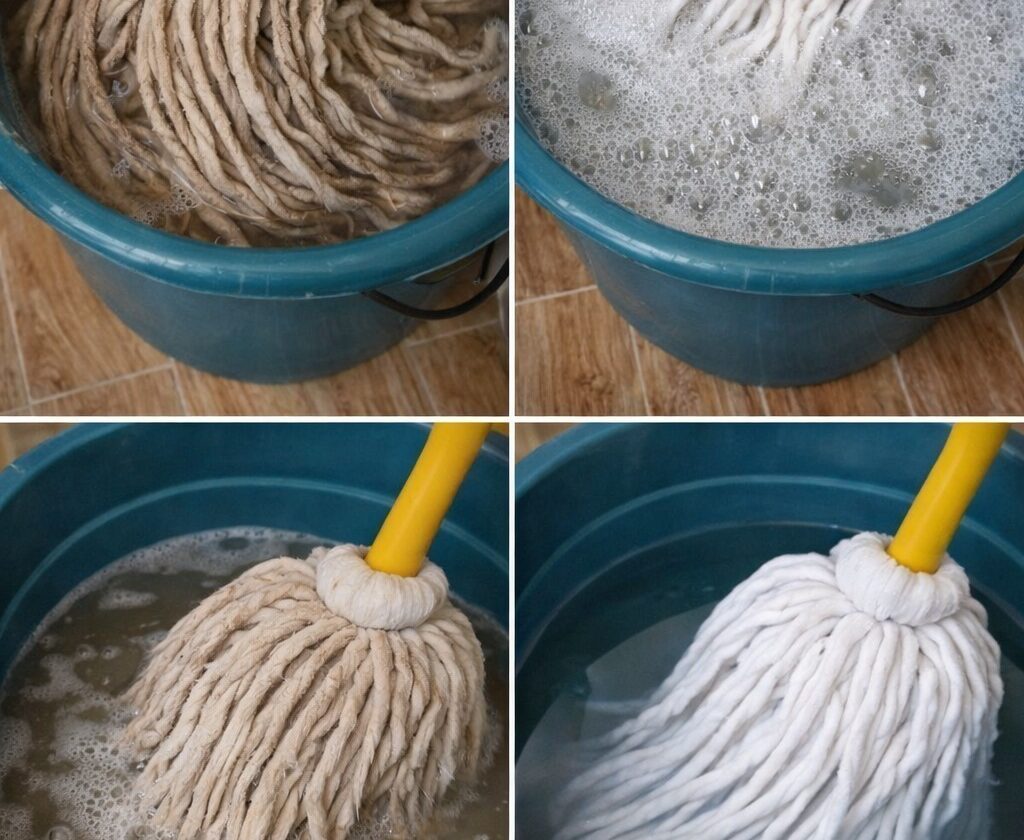
That trusty mop works hard to keep your floors spotless—but when was the last time you cleaned it? A neglected mop doesn’t just look unappealing; it redistributes dirt, bacteria, and odors across your home with every pass. The good news? Most mops don’t need replacing—they need reviving. With a few pantry staples and 30 minutes of attention, you can restore even a heavily soiled mop to fresh, hygienic condition—saving money and reducing waste in the process.Cleaning Services
Why Mop Hygiene Matters
Mops absorb more than just dirt—they trap moisture, skin cells, food particles, and microbes. Without proper cleaning, they become breeding grounds for bacteria and mildew, undermining their very purpose. After each use:
→ Rinse thoroughly under warm running water
→ Wring completely dry
→ Hang to air-dry in a well-ventilated area
→ Never store damp—this invites odor and mold
A well-maintained mop stays effective for months. Replace only when fibers are frayed beyond cleaning or the handle is damaged.
When to Clean vs. Replace
When to Clean vs. Replace
Condition
Action
Stained, smelly, or stiff fibers
Clean using natural methods below
Frayed, thinning, or torn mop head
Replace—cleaning won’t restore integrity
Persistent mildew odor after deep cleaning
Replace—mold may be embedded in fibers
Plastic/microfiber head with intact fibers
Clean—these often revive beautifully
Four Natural Methods to Deep-Clean Your Mop
1. Baking Soda Soak (Best for Odor & General Grime)Cleaning Services
→ Fill a bucket with warm water
→ Add ½ cup baking soda; stir to dissolve
→ Submerge mop head for 2–3 hours
→ Rinse thoroughly until water runs clear
→ For machine-washable heads: Add ½ cup baking soda to the drum; wash at 60–70°C (140–158°F)
2. Vinegar & Lemon (Ideal for Disinfecting & Brightening)
→ Mix 1 cup white vinegar + juice of 2 lemons per liter of warm water
→ Soak mop head 30–60 minutes
→ For extra power: Add 2 tbsp baking soda to the soak (it will fizz—this is normal)
→ Rinse well—vinegar smell disappears once dry
3. Tea Tree Oil Solution (Antibacterial Boost)
→ Combine 4 cups warm water + juice of 1 lemon + 10 drops tea tree oil
→ Soak mop 30 minutes
→ Rinse thoroughly
→ Note: Tea tree oil is naturally antimicrobial—ideal for kitchens and bathroomsCondiments & Dressings
4. Ammonia Rinse (For Heavy Soil—Use with Caution)
→ Mix ¼ cup household ammonia per gallon of cool water
→ Soak 15–20 minutes
→ Rinse extremely well (2–3 times)
→ Air-dry completely before storage
→ Safety: Use in well-ventilated area; never mix with bleach
Drying & Storage: The Final Step
Cleaning alone isn’t enough—proper drying prevents regrowth of bacteria and mildew:
✓ Wring mop completely after rinsing
✓ Hang vertically with fibers extended (not bunched)
✓ Dry in sunlight if possible—UV rays naturally disinfect
✓ Store only when 100% dry—damp storage guarantees odors
Sustainable Cleaning, Simplified
These methods cost pennies, avoid harsh chemicals, and extend your mop’s life significantly. More importantly, they honor a simple truth: the tools we use to care for our homes deserve care themselves.Gardening
A clean mop isn’t a luxury—it’s the foundation of truly clean floors. And with baking soda, vinegar, or lemon already in your pantry, revival is always within reach.
Your floors—and your wallet—will thank you.
Note: Always check manufacturer care instructions before deep-cleaning specialty mops. Natural methods work best on cotton, microfiber, and cellulose mop heads.