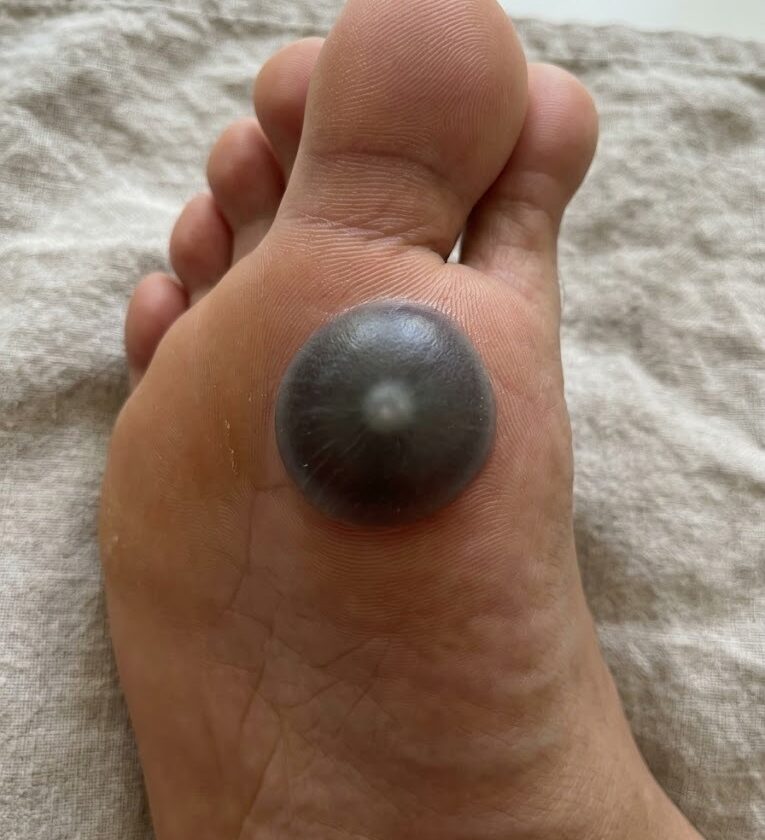
As a parent, seeing your child wake up with a sudden, painful spot on their foot—especially one that prevents them from moving or walking—is deeply alarming. Your concern is not just valid—it’s a critical signal that this situation needs professional medical evaluation today. Let’s clarify why, without causing unnecessary panic.
⚠️ The Critical Detail: Pain + Immobility Changes Everything
You’ve already identified the key concern:
“A simple blood blister should not prevent someone from moving their foot.”
This is medically accurate. While blood blisters (caused by friction, pinching, or minor trauma) can look dramatic, they typically cause localized tenderness—not severe pain that immobilizes a limb. When pain is intense enough to limit movement, it suggests involvement beyond the skin’s surface—potentially affecting deeper tissues, joints, nerves, or indicating infection.
🔍 Possible Causes That Explain BOTH the Spot and Immobility
Condition
Why It Fits
Red Flags to Watch For
Abscess or deep infection
Pus-filled pocket under skin causes pressure, swelling, and severe pain
🔴 Spreading redness, warmth, fever, throbbing pain
Cellulitis
Bacterial skin infection spreading into deeper tissue
🔴 Skin hot to touch, rapidly expanding redness, fever
Gout (rare in children but possible)
Uric acid crystals inflame joints—often the big toe
🔴 Sudden severe pain, red/purple discoloration, warmth
Septic arthritis
Joint infection (medical emergency)
🔴 Inability to move joint, fever, extreme pain with any movement
Fracture or bone bruise
Trauma during sleep (e.g., kicking bed frame)
🔴 Swelling, deformity, pain with any pressure
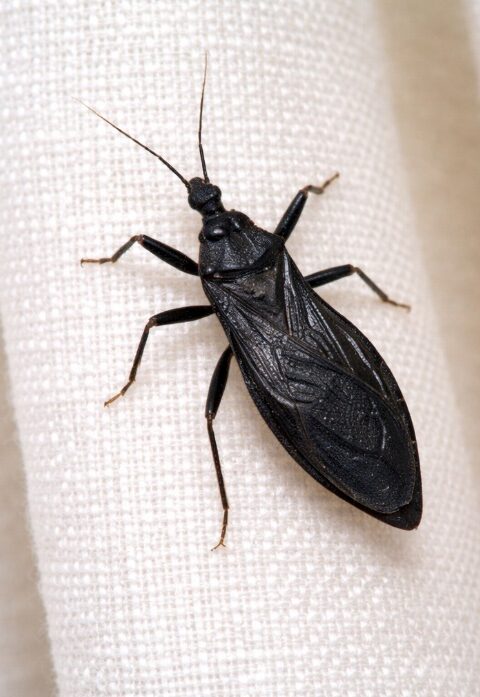
Insect bite/sting reaction
Allergic or toxic reaction (e.g., spider bite)
🔴 Rapid swelling, blistering, systemic symptoms (nausea, dizziness)
Vascular issue
Rare clot or compromised blood flow
🔴 Pale/blue discoloration, cold foot, numbness
💡 Important: In children, infection is the most urgent concern. A seemingly minor spot can escalate rapidly due to their developing immune systems.
🚨 When to Seek Care Immediately (ER/911):
🚨 When to Seek Care Immediately (ER/911)
Go to the emergency room now if your daughter has:
✅ Fever (≥100.4°F / 38°C)
✅ Rapidly spreading redness (expanding beyond the spot)
✅ Skin that’s hot/warm to the touch around the area
✅ Numbness, tingling, or coldness in the foot/toes
✅ Signs of systemic illness: lethargy, confusion, vomiting
✅ No improvement after 24 hours of home observation (if initially mild)
⚠️ Do not wait: Infections in children can progress to sepsis within hours. When in doubt, err on the side of caution.
🩺 What to Expect at the Doctor
A healthcare provider will likely:
Examine the spot: Color, temperature, tenderness, fluctuance (pus)
Assess mobility: Range of motion in foot/ankle/toes
Check for systemic signs: Fever, heart rate, blood pressure
Order tests if needed:
Ultrasound (to detect abscess)
Blood tests (white blood cell count, CRP for infection)
X-ray (if fracture suspected)
💡 Be prepared to share:
When the spot appeared (overnight vs. gradual)
Any recent injuries (even minor bumps)
New shoes/socks worn yesterday
Recent insect exposure or travel
❌ What Not to Do While Waiting for Care
Action
Why to Avoid
Popping or draining the spot
Risk of introducing bacteria deeper into tissue
Applying heat
Can worsen infection/inflammation (use cool compress only if no open wound)
Giving adult pain meds
Dosing errors risk toxicity—use only pediatrician-approved doses
“Wait and see” beyond 12–24 hours
Infections escalate quickly in children
💬 A Note on Parental Instinct
You noticed something was different—not just a minor bump. Trust that instinct. Parents often detect subtle changes in their children before objective signs appear. Medical professionals take parental concern seriously for this reason.
❤️ Compassionate truth: Seeking care doesn’t mean you’ve “overreacted.” It means you’re prioritizing your child’s safety—a hallmark of excellent parenting.
💡 Final Guidance: Your Action Plan
If severe pain + immobility persists right now:
→ Call your pediatrician immediately or go to urgent care/ER
→ Describe: “Sudden painful spot on foot, unable to bear weight/move foot”
If mild-moderate pain but improving:
→ Monitor closely for 12 hours
→ Seek care today if no improvement or worsening
Document: Take a photo hourly to track changes (helps doctors assess progression)
🌟 The Reassuring Truth
Most causes of sudden foot spots in children—while scary—are highly treatable when addressed promptly. An abscess drains easily. Cellulitis responds quickly to antibiotics. Even fractures heal beautifully in children. The key is early intervention.
“Your vigilance isn’t anxiety—it’s advocacy. And in moments like these, advocacy saves time, pain, and complications.”
Please seek medical evaluation today. Not tomorrow. Not “if it gets worse.” Today. Your daughter’s comfort—and safety—depends on it.
Disclaimer: This information is for educational purposes only and does not replace professional medical advice. Sudden pain with immobility in a child requires evaluation by a qualified healthcare provider. When in doubt, always seek emergency care. 💙