Periods have been wrapped in mystery, taboo, awkward health class diagrams, and some truly wild myths. And the thing is? A lot of those myths still float around today, shaping how people feel about their own bodies.
So let’s gently untangle the nonsense from the actual science.
Myth #1: Period Blood Is “Dirty”
The truth: Menstrual blood is not dirty.
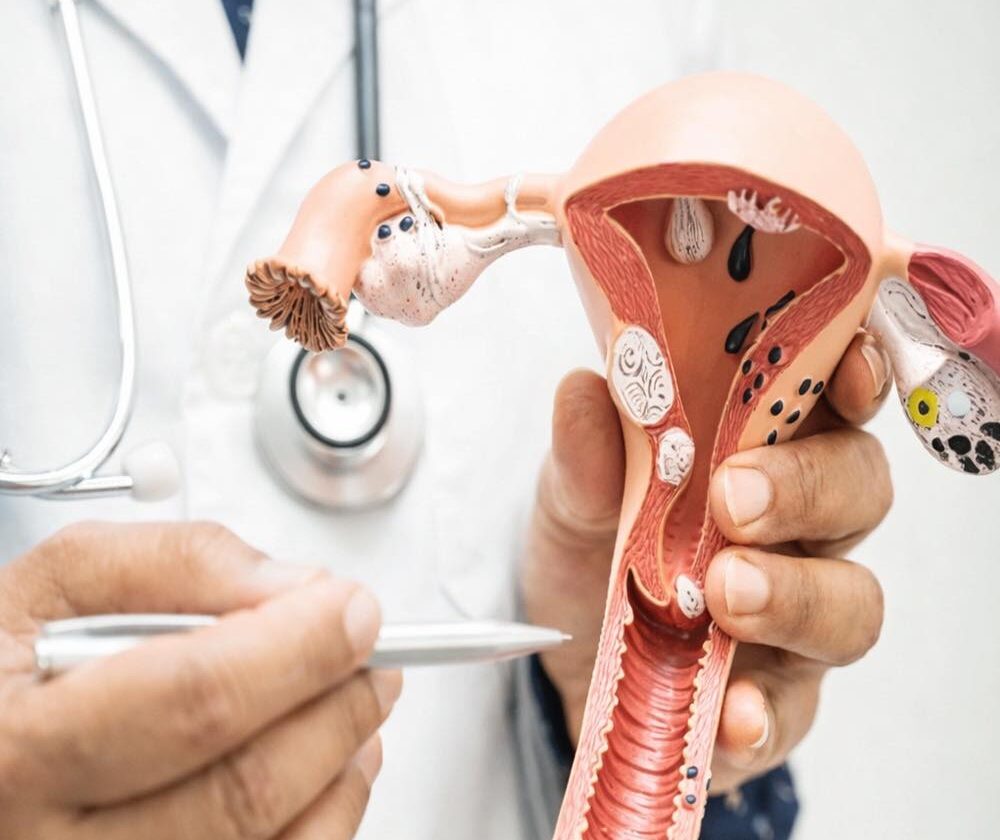
It’s simply a mix of blood, uterine lining, and cervical mucus — the same lining your body built in case of pregnancy. When pregnancy doesn’t happen, your body sheds it. That’s it. That’s the whole plot.
There’s no toxin purge. No “impurities leaving the body.” Just biology doing its monthly reset.
The idea that it’s dirty comes from cultural stigma — not medical fact.
Myth #2: You Can’t Get Pregnant During Your Period
The truth: It’s unlikely — but not impossible.
Sperm can live inside the body for up to five days. If someone has a shorter cycle and ovulates soon after their period ends, pregnancy can happen.
So while the odds are lower during menstruation, it’s not a guaranteed “safe zone.”
Bodies do not run on perfect calendars.
Myth #3: Period Pain Is Just Something You Have to “Deal With”
The truth: Some cramping is normal. Debilitating pain is not.
Mild to moderate cramps happen because the uterus contracts to shed its lining. But if someone is:
Missing work or school
Vomiting from pain
Unable to function normally
That could signal conditions like endometriosis, fibroids, or hormonal imbalances.
Pain shouldn’t be dismissed just because it’s common.
Myth #4: You Shouldn’t Exercise on Your Period
The truth: Movement can actually help.
Light to moderate exercise often reduces cramps, improves mood, and boosts energy. Walking, stretching, yoga, or strength training can all be beneficial.
That said — if someone feels exhausted or crampy, rest is also valid. It’s about listening to the body, not forcing a workout because a myth said you shouldn’t.
Myth #5: PMS Is “All in Your Head”
The truth: Premenstrual Syndrome is hormonally driven.
Fluctuations in estrogen and progesterone can impact mood, sleep, appetite, and energy levels. For some, symptoms are mild. For others, they can be intense.
There’s also PMDD (Premenstrual Dysphoric Disorder), a more severe form that significantly affects mental health.
Hormones are powerful. Dismissing PMS as dramatics minimizes real biological shifts.
Myth #6: Periods Sync Between Friends
The truth: The science is shaky.
The idea that roommates…..
Myth #5: PMS Is “All in Your Head”
The truth: Premenstrual Syndrome is hormonally driven.
Fluctuations in estrogen and progesterone can impact mood, sleep, appetite, and energy levels. For some, symptoms are mild. For others, they can be intense.
There’s also PMDD (Premenstrual Dysphoric Disorder), a more severe form that significantly affects mental health.
Hormones are powerful. Dismissing PMS as dramatics minimizes real biological shifts.
Myth #6: Periods Sync Between Friends
The truth: The science is shaky.
The idea that roommates or close friends “sync up” has been popular for decades. But most research suggests it’s likely coincidence. When cycles vary between 21–35 days, overlap is bound to happen.
It’s a fun concept. Just not strongly supported.
Myth #7: Tampons Take Away Virginity
The truth: Virginity is not a medical condition.
The hymen is a thin, flexible piece of tissue that naturally varies from person to person. It can stretch, tear, or remain intact for countless reasons — including sports or normal movement.
Using a tampon does not define sexual history.
This myth stems from cultural beliefs, not anatomy.
Myth #8: Irregular Periods Are Always a Problem
The truth: Irregular cycles can be normal — especially in teens, during stress, postpartum, or approaching menopause.
However, consistently unpredictable cycles can sometimes indicate hormonal imbalances like PCOS or thyroid issues.
Irregular doesn’t automatically mean dangerous — but patterns are worth paying attention to.
Myth #9: You Should Hide Your Period
The truth: Menstruation is a normal biological function.
Half the global population experiences it at some point. There’s nothing shameful about buying pads, carrying a tampon, or mentioning cramps.
The more openly we talk about periods, the less power stigma holds.
Silence is what keeps myths alive.
What Menstruation Actually Is
At its core, menstruation is simply part of the reproductive cycle. Hormones prepare the body for potential pregnancy. If pregnancy doesn’t occur, the uterine lining sheds, and the cycle begins again.
It’s rhythmic. It’s biological. It’s not mystical or shameful.
And it doesn’t look the same for everyone.
Some people bleed for three days. Others for seven. Some have heavy flow. Some barely need more than a liner. All of that can fall within the spectrum of normal.
Why These Myths Persist
Historically, menstruation has been surrounded by:
Cultural taboos
Religious restrictions
Limited sex education
Gender inequality
When people aren’t given accurate information, stories fill the gaps. And those stories tend to stick.
Correcting misinformation isn’t just about science — it’s about dignity.
Final Thoughts
Menstruation is not a flaw. Not a weakness. Not a curse.
It’s a biological process that deserves accurate information and open conversation.
The more we replace myths with facts, the easier it becomes for people to understand their bodies, advocate for their health, and move through life without unnecessary shame.
And honestly? That shift matters.