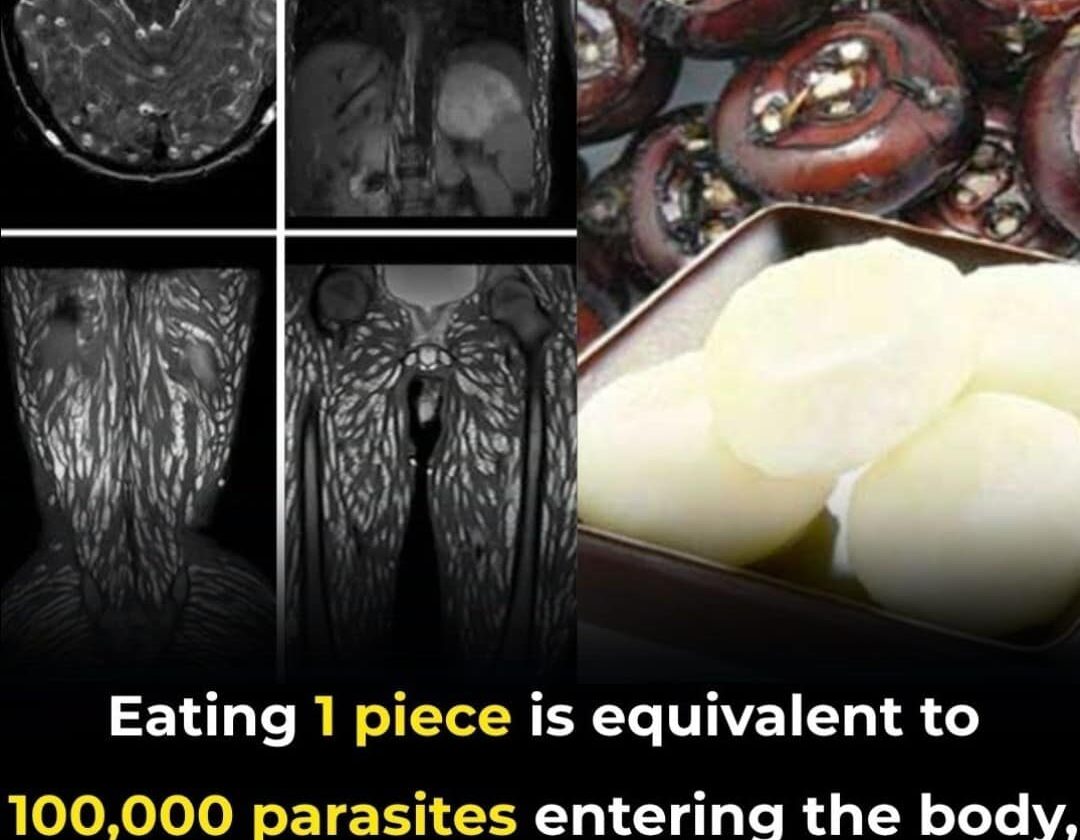
Every so often, a dramatic warning spreads online claiming that eating one piece of a certain food is the same as letting 100,000 parasites enter your body. The message is usually short, alarming, and designed to make people panic before they pause to think. Many readers don’t question it—they simply share it or swear off the food entirely.
But what’s really going on behind claims like this?
Why These Messages Spread So Easily
Fear travels faster than facts. When a statement uses huge numbers and vague language, it triggers an emotional response. The idea of parasites invading the body is unsettling, and the lack of specifics makes the warning feel mysterious and dangerous. Because the food is often unnamed or commonly eaten, people assume, “What if it’s something I eat every day?”
That uncertainty is exactly what keeps the rumor alive.
The Reality About Parasites and Food
Parasites do exist, and some can be transmitted through food—but not in the exaggerated way these warnings suggest. In real life:
Parasites are linked to specific foods, not random bites
Transmission depends on how food is prepared, not simply eating it
Proper cooking, freezing, and hygiene dramatically reduce risk
No credible scientific source supports the idea that a single bite of food automatically releases tens of thousands of parasites into the body. Parasite infections are usually the result of raw or undercooked foods, contaminated water, or poor sanitation—not everyday, properly prepared meals.
Why Vague Claims Are a Red Flag
When a warning doesn’t name:
The Reality About Parasites and Food
Parasites do exist, and some can be transmitted through food—but not in the exaggerated way these warnings suggest. In real life:
Parasites are linked to specific foods, not random bites
Transmission depends on how food is prepared, not simply eating it
Proper cooking, freezing, and hygiene dramatically reduce risk
No credible scientific source supports the idea that a single bite of food automatically releases tens of thousands of parasites into the body. Parasite infections are usually the result of raw or undercooked foods, contaminated water, or poor sanitation—not everyday, properly prepared meals.
Why Vague Claims Are a Red Flag
When a warning doesn’t name:
the exact food
the specific parasite
how the infection occurs
…it’s a strong sign that the message is meant to scare, not inform. Real health guidance explains how and why something is risky and offers clear steps for prevention.
What Actually Keeps You Safe
Instead of fearing dramatic headlines, focus on proven food-safety habits:
Cook meat and seafood thoroughly
Wash fruits and vegetables well
Avoid cross-contamination in the kitchen
Be cautious with raw or unpasteurized foods
Follow trusted public health guidelines
These steps are far more effective than avoiding foods based on viral rumors.
The Bottom Line
Not everything that sounds terrifying is true. Statements like “one piece equals 100,000 parasites” are designed to shock, not educate. When people eat without thinking, the real danger isn’t parasites—it’s believing misinformation without question.