The Silent Energy Drain: 5 Appliances That Keep Working After You Walk Away
You flip the switch. The appliance powers down. You walk away, assuming the job is done.
But here’s what most of us don’t see: many devices continue drawing power long after they’re “off”—a quiet phenomenon called phantom load or standby power. Energy experts estimate this invisible drain accounts for up to 10% of household electricity use. Over a year, that adds up to both wasted dollars and unnecessary strain on your home’s electrical system.
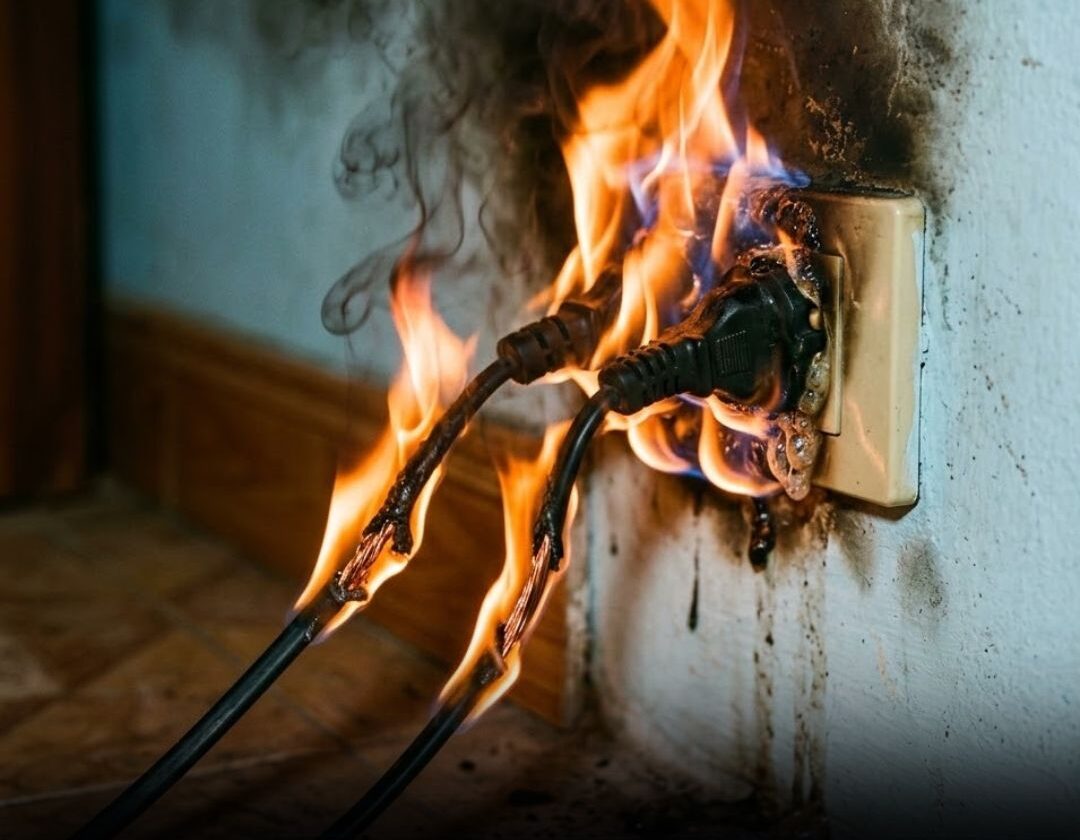
More importantly, certain plugged-in appliances pose subtle safety risks—especially older models or units near flammable materials. Unplugging isn’t about paranoia. It’s about mindful stewardship: protecting your home, your wallet, and the lifespan of your devices with one small, consistent habit.
Here are five common culprits worth unplugging—and why it matters.
1. Toasters & Toaster Ovens
That morning ritual ends with a pop and a slice of golden toast. But inside the slots, crumbs accumulate—tiny tinderboxes waiting near heating elements. If a malfunction occurs while plugged in (even when “off”), those crumbs can ignite.
→ The hidden cost: Standby power maintains internal circuits.
→ The safety edge: Unplugging eliminates risk from power surges or faulty wiring—especially critical since toasters often sit near paper towels or cabinets.
→ Pro tip: Shake out crumbs weekly. Unplug after each use. Your future self will thank you.
2. Coffee Makers
2. Coffee Makers
The auto-shutoff stops brewing—not electricity flow. Many models keep drawing power to maintain clock displays or “ready-to-brew” warmth. Over months, this constant draw stresses internal components, shortening the machine’s life.
→ The hidden cost: That “convenience” of instant readiness costs $5–$15 yearly in phantom energy.
→ The safety edge: A failed heating element in a plugged-in unit can overheat silently—especially dangerous near curtains or wooden countertops.
→ Pro tip: Unplug after brewing. Your morning ritual gains one extra step—and your kitchen gains peace of mind.
3. Air Fryers
These countertop heroes feature digital displays and memory settings that require constant power—even when stored in a cabinet. That trickle of electricity adds up. More critically, grease buildup near plugs or vents can create fire risks if a short circuit occurs while plugged in.
→ The hidden cost: Standby mode maintains presets and clocks—unnecessary when the unit sits unused for days.
→ The safety edge: Heating elements can malfunction unexpectedly. Unplugging ensures no power reaches the unit during storms or surges.
→ Pro tip: Let the unit cool completely after use, then unplug and wipe exterior vents to prevent grease accumulation.
4. Space Heaters
These high-wattage devices demand respect. Even when switched off, many continue drawing power—and if knocked over while plugged in, they can overheat rapidly. Older models may lack tip-over shutoffs or thermal fuses.
→ The hidden cost: Standby draw is minimal, but the risk isn’t.
→ The safety edge: Unplugging eliminates all electrical risk when not in active use—critical in homes with pets, children, or nearby blankets/curtains.
→ Pro tip: Never plug into extension cords. Unplug immediately after use. Treat every heater like a sleeping dragon: respect its power, even at rest.
5. Microwaves
That ever-present clock display? It runs 24/7, drawing power even when the microwave sits idle for days. Older units may also maintain internal circuits for “instant start”—a convenience with hidden costs.
→ The hidden cost: A single microwave’s standby draw can cost $5–$10 yearly—multiply that across multiple appliances.
→ The safety edge: Grease buildup inside combined with a short-circuiting control panel (more common in aging units) creates fire risk. Unplugging during extended absences adds a layer of protection.
→ Pro tip: Wipe interior splatters weekly. Unplug during vacations or storms.
Beyond Unplugging: Simple Habits for a Safer Home
Unplugging is powerful—but it’s one thread in a larger safety tapestry:
✓ Inspect cords monthly: Fraying, cracks, or exposed wires mean replace immediately.
✓ Respect outlets: Never overload power strips—especially with heat-producing appliances.
✓ Maintain clearance: Keep 3+ feet between heaters/toasters and anything flammable.
✓ Test smoke detectors: Monthly press of the test button; battery changes every 6 months.
✓ Use smart power strips: For entertainment centers or office setups, these cut phantom load automatically.
The Bigger Picture: Small Acts, Meaningful Impact
This isn’t about living in fear of your appliances. It’s about gentle awareness:
→ Unplugging a toaster takes 2 seconds—and may prevent a kitchen fire.
→ Unplugging a coffee maker saves $10/year—and extends its life by months.
→ Unplugging during storms protects your investment without cost.
These micro-habits compound. They reflect a mindset of care—for your home, your resources, and the people who share your space.
Start small. Pick one appliance from this list. Make unplugging it part of your routine for one week. Notice how it feels. Then add another.
Soon, it won’t feel like a chore. It will feel like what it is:
A quiet act of stewardship.
A small promise to yourself:
“I care enough to unplug.”
And in a world of big problems, there’s profound power in tending to the small things that keep us safe, warm, and whole.
Note: While unplugging reduces risk, it doesn’t replace proper appliance maintenance or electrical safety practices. Consult an electrician for recurring issues or outdated home wiring.