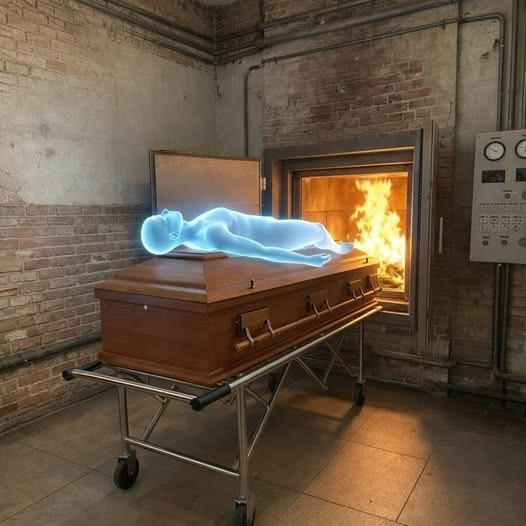
Throughout Christian history, many believers have debated whether cremation is compatible with biblical teaching. While the Bible does not contain a direct command such as “You shall not cremate the dead,” it consistently presents a pattern of honoring the human body through burial rather than burning. Because of this pattern, many theologians have argued that cremation contradicts biblical symbolism about the body, death, and resurrection.
The Biblical View of the Human Body
The Bible teaches that the human body is not merely a disposable shell but a creation of God with spiritual significance. In Genesis, humanity is described as being formed directly by God from the dust of the earth. The body therefore has dignity because it is God’s handiwork.
Later Christian teaching reinforces this idea. The apostle Paul the Apostle writes that the body is a “temple of the Holy Spirit” (1 Corinthians 6:19–20). Because of this sacred value, the treatment of the body—even after death—has traditionally been seen as an act of reverence toward God.
Burial as the Biblical Pattern
From the earliest pages of Scripture, burial is the consistent method used for honoring the dead.
Important examples include:
Abraham buried his wife Sarah in a tomb (Genesis 23).
Jacob and Joseph were both buried according to family tradition.
Moses was buried by God Himself (Deuteronomy 34:5–6).
Most importantly, Jesus Christ was laid in a tomb after His crucifixion.
The burial of Jesus is particularly significant for Christians because it became part of the gospel message itself. In the New Testament, Paul writes that Christ “died… was buried… and was raised” (1 Corinthians 15:3–4). Burial symbolizes the sowing of a body that will later be raised in resurrection.
Fire as a Symbol of Judgment
Another reason some Christians view cremation negatively is that in many parts of the Bible, burning a body is associated with judgment or disgrace.
Important examples include:
Abraham buried his wife Sarah in a tomb (Genesis 23).
Jacob and Joseph were both buried according to family tradition.
Moses was buried by God Himself (Deuteronomy 34:5–6).
Most importantly, Jesus Christ was laid in a tomb after His crucifixion.
The burial of Jesus is particularly significant for Christians because it became part of the gospel message itself. In the New Testament, Paul writes that Christ “died… was buried… and was raised” (1 Corinthians 15:3–4). Burial symbolizes the sowing of a body that will later be raised in resurrection.
Fire as a Symbol of Judgment
Another reason some Christians view cremation negatively is that in many parts of the Bible, burning a body is associated with judgment or disgrace.
For example:
In certain severe punishments under Old Testament law, bodies were burned after execution (Leviticus 20:14).
The destruction of wicked cities such as Sodom involved fire from heaven.
Fire often represents divine judgment rather than honor.
Because of this symbolism, some interpreters argue that intentionally burning the body after death conflicts with the biblical pattern of respectful burial.
The Hope of Resurrection
Christian belief in resurrection also influences the burial tradition. In 1 Corinthians 15, Paul compares burial to planting a seed in the ground that will rise again in glory. The body is “sown” in the earth but will be raised transformed.
While God’s power is certainly capable of resurrecting a person regardless of how their body was treated, burial became the traditional expression of faith in that future resurrection.
Different Christian Interpretations Today
Not all Christians agree that cremation is sinful. Many modern theologians believe that since the Bible does not explicitly forbid it, cremation itself is not a moral violation. They argue that God can resurrect a body whether it has decomposed naturally, been cremated, or been lost in other ways.
However, those who oppose cremation emphasize the consistent biblical imagery of burial, the symbolism of resurrection, and the respect shown toward the body.
Conclusion
The Bible does not contain a direct command against cremation, but it clearly presents burial as the honorable and customary way to treat the dead. Because the body is created by God, described as a temple of the Spirit, and destined for resurrection, many Christians believe burial best reflects biblical teaching and hope.
For this reason, the discussion about cremation continues within Christianity—not merely as a cultural issue, but as a question about how believers should show reverence for the body God created and redeemed.