1. Ingrown Hairs
What They Are:
Ingrown hairs occur when hair grows sideways or curls back into the skin instead of emerging normally. They often appear as small red, itchy bumps, and in some cases, they may become infected and develop pus.
Causes:
Shaving, waxing, or plucking too closely
Friction from tight clothing
Naturally curly or coarse hair
Symptoms:
Small, round bumps that may contain pus
Redness and inflammation
Itching or discomfort
Treatment:
Apply a warm compress to ease swelling
Use exfoliating cleansers to remove dead skin
Avoid shaving until healed
Seek medical care for severe or recurring cases
Ingrown hairs – NHS
2. Folliculitis
What It Is:
Folliculitis is inflammation of the hair follicles, often caused by bacteria, fungi, or irritation. It appears as small red or white-headed pimples and can be painful or itchy.
Causes:
Bacterial infection (commonly Staphylococcus aureus)
Friction from clothing
Shaving or waxing
Exposure to unsanitary hot tubs or pools
Symptoms:
Red, inflamed bumps or pustules
Itching or mild burning
Tender skin around follicles
Treatment:
Wash with antibacterial soap
Apply topical antibiotic ointments
Use warm compresses
Oral antibiotics may be needed in severe cases
Folliculitis treatment and prevention – Harvard Health
3. Tinea Cruris (Jock Itch)
What It Is:
Jock itch is a fungal infection affecting the groin, inner thighs, and buttocks. It thrives in warm, moist environments and is more common in men.
Causes:
Excessive sweating
Wearing tight or non-breathable clothing
Sharing towels or personal items
Poor hygiene
Symptoms:
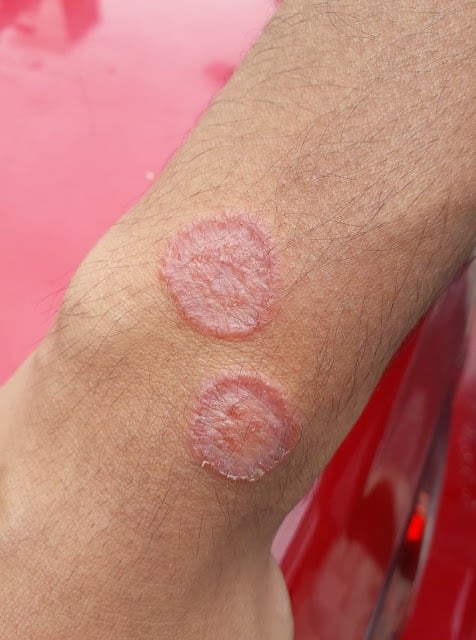
Red, scaly patches with raised edges
Itching or burning in the groin
Rash that spreads to thighs or buttocks
Treatment:
Use antifungal creams (e.g., clotrimazole, terbinafine)
Keep the area clean and dry
Wear loose, breathable underwear
Avoid sharing personal items
4. Contact Dermatitis
What It Is:
Contact dermatitis is an allergic or irritant reaction caused by contact with substances like soaps, detergents, fabrics, or lotions.
Causes:
Allergic reactions to perfumes, dyes, or latex
Irritation from tight or unwashed clothing
Prolonged exposure to sweat or moisture
Symptoms:
Red, itchy or inflamed skin
Peeling or flaking
Blisters in severe cases
Treatment:
Identify and avoid irritants or allergens
Use fragrance-free moisturizers
Apply hydrocortisone cream to relieve itching
Consult a dermatologist if persistent
Contact Dermatitis | Dermatology and Skin Health – Dr. Mendese
5. Intertrigo
What It Is:
Intertrigo is a rash that develops in skin folds, including the groin, due to friction, moisture, and poor air circulation.
Causes:
Excessive sweating
Skin rubbing against skin
Obesity or overweight
Tight, non-breathable clothing
Symptoms:
Red, raw skin
Burning or stinging sensation
Unpleasant odor from the area
Treatment:
Keep the area dry with antifungal or talcum powders
Apply barrier creams (e.g., zinc oxide)
Treat secondary infections with antifungal or antibacterial creams
Understanding Intertrigo, Misdiagnoses, Misconceptions, FAQs, and Treatments. | SPRINGS Dermatology MD
Preventive Tips:
Shave carefully: Use a clean razor and shave in the direction of hair growth.
Choose breathable clothing: Cotton underwear is best; avoid tight synthetic fabrics.
Practice good hygiene: Wash daily, especially after sweating, and dry thoroughly.
Avoid sharing personal items: Razors, towels, and clothing can spread fungi or bacteria.
Use gentle products: Fragrance-free soaps and lotions reduce irritation.
When to See a Doctor:
Seek medical advice if:
The rash lasts more than two weeks
There is severe pain, swelling, or pus
You develop fever or flu-like symptoms
The rash spreads quickly or keeps returning
Conclusion:
Groin irritation is a common issue that can often be managed with proper hygiene and care. By understanding the causes and symptoms of various conditions like ingrown hairs, folliculitis, jock itch, contact dermatitis, and intertrigo, individuals can take proactive steps to prevent and treat these issues. If symptoms persist or worsen, it’s important to consult a healthcare professional for appropriate diagnosis and treatment.