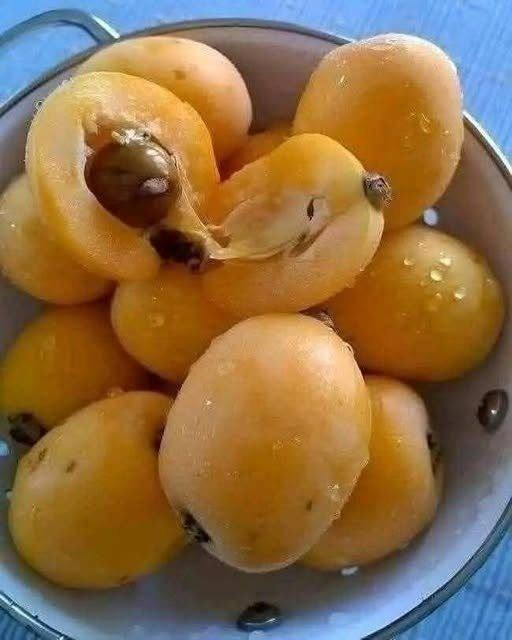
There’s something deeply comforting about a jar of homemade apricot jam. Its golden glow, delicate aroma, and perfect balance of sweetness and tartness capture the essence of summer in every spoonful. Passed down through generations, traditional apricot jam is simple, honest, and bursting with natural fruit flavor.
In this article, you’ll discover the roots of this timeless preserve and learn how to make it the traditional way—without shortcuts or artificial additives.
A Brief History of Apricot Jam
The apricot, known scientifically as Prunus armeniaca, has been cultivated for thousands of years. Believed to have originated in Central Asia, it spread along trade routes to the Middle East and Europe. Countries like Armenia, Turkey, and France developed rich culinary traditions around this vibrant fruit.
Before refrigeration, families preserved apricots in sugar to enjoy their flavor year-round. The result was a thick, fragrant jam that became a breakfast staple and a beloved pastry filling.
Why Traditional Apricot Jam Is Special
Unlike commercial varieties, traditional apricot jam relies on just a few ingredients:
Fresh ripe apricots
Sugar
Lemon juice
No pectin is necessary if the fruit is naturally ripe. Apricots contain enough natural pectin to thicken properly when cooked slowly and carefully.
The magic lies in patience—allowing the fruit to release its juices and simmer gently until it transforms into a glossy preserve.
Choosing the Perfect Apricots
For the best results:
Select fully ripe apricots that are slightly soft but not mushy.
Avoid bruised or overly green fruit.
The deeper the orange color, the richer the flavor.
Traditional recipes often recommend slightly tart apricots because they create a more balanced jam.
Traditional Apricot Jam Recipe
Ingredients
2 pounds (1 kg) fresh apricots
1½–2 cups (300–400 g) sugar (adjust to taste)
1 tablespoon fresh lemon juice
Step-by-Step Method
Step-by-Step Method
1. Prepare the Fruit
Wash the apricots thoroughly. Cut them in half and remove the pits. Some traditional methods leave a few kernels (from inside the pits) for a subtle almond note, but this is optional and should be done carefully.
2. Macerate with Sugar
Place the apricots in a large bowl and sprinkle sugar over them. Mix gently and let them sit for 4–8 hours (or overnight). This step draws out the natural juices and enhances flavor.
3. Begin Cooking
Transfer the fruit and its juices into a heavy-bottomed pot. Add lemon juice and bring to a gentle boil over medium heat.
4. Simmer Slowly
Reduce the heat and simmer uncovered for 25–40 minutes. Stir occasionally to prevent sticking and skim off any foam that forms on the surface.
As the mixture thickens, the color deepens to a rich amber.
5. Test for Doneness
Place a small spoonful on a chilled plate. If it wrinkles slightly when pushed with your finger, it’s ready. If not, continue cooking for a few more minutes and test again.
6. Jar the Jam
Pour the hot jam into sterilized jars, leaving a small space at the top. Seal tightly and allow to cool completely. For longer storage, process jars in a boiling water bath for 10 minutes.
Tips for Perfect Texture
For a smoother jam, blend lightly before jarring.
For a rustic texture, leave fruit pieces intact.
Stir frequently toward the end of cooking to prevent burning.
Traditional apricot jam should be thick yet spreadable—not stiff or rubbery.
How to Enjoy Apricot Jam
Homemade apricot jam pairs beautifully with:
Fresh bread and butter
Yogurt or oatmeal
Cheese boards
Pastries and cakes
In many European bakeries, apricot jam is brushed over fruit tarts to create a glossy finish.
Storing Your Jam
Properly sealed jars can last up to one year in a cool, dark place. Once opened, refrigerate and use within a few weeks.
Final Thoughts
Making traditional apricot jam is more than a recipe—it’s a ritual. The slow simmering, the sweet aroma filling the kitchen, and the satisfaction of sealing a jar of sunshine make it a deeply rewarding experience.
With just fruit, sugar, and patience, you can preserve the taste of summer and enjoy it all year long—one golden spoonful at a time.