SEO Title:
Breast Cancer Warning Signs You Should Never Ignore – 10 Early Symptoms, Risk Factors & Screening Guide
Engaging Introduction
Breast cancer is one of the most common cancers affecting women worldwide, and although it is far less common, men can develop it as well. The most important factor that improves survival rates is simple: early detection.
Many breast changes are completely harmless and related to hormones, aging, or benign conditions. However, certain symptoms should never be ignored because they may signal something more serious. Knowing what is normal for your body—and what is not—can make a life-saving difference.
If you have ever noticed a change in your breasts or simply want to understand what warning signs to watch for, this guide breaks everything down in a clear, calm, and medically informed way.
Why This Information Is Important
- Breast cancer is highly treatable when detected early
- Many symptoms overlap with harmless conditions
- Awareness improves early diagnosis and survival rates
- Self-awareness helps you notice changes sooner
- Regular screening saves thousands of lives every year
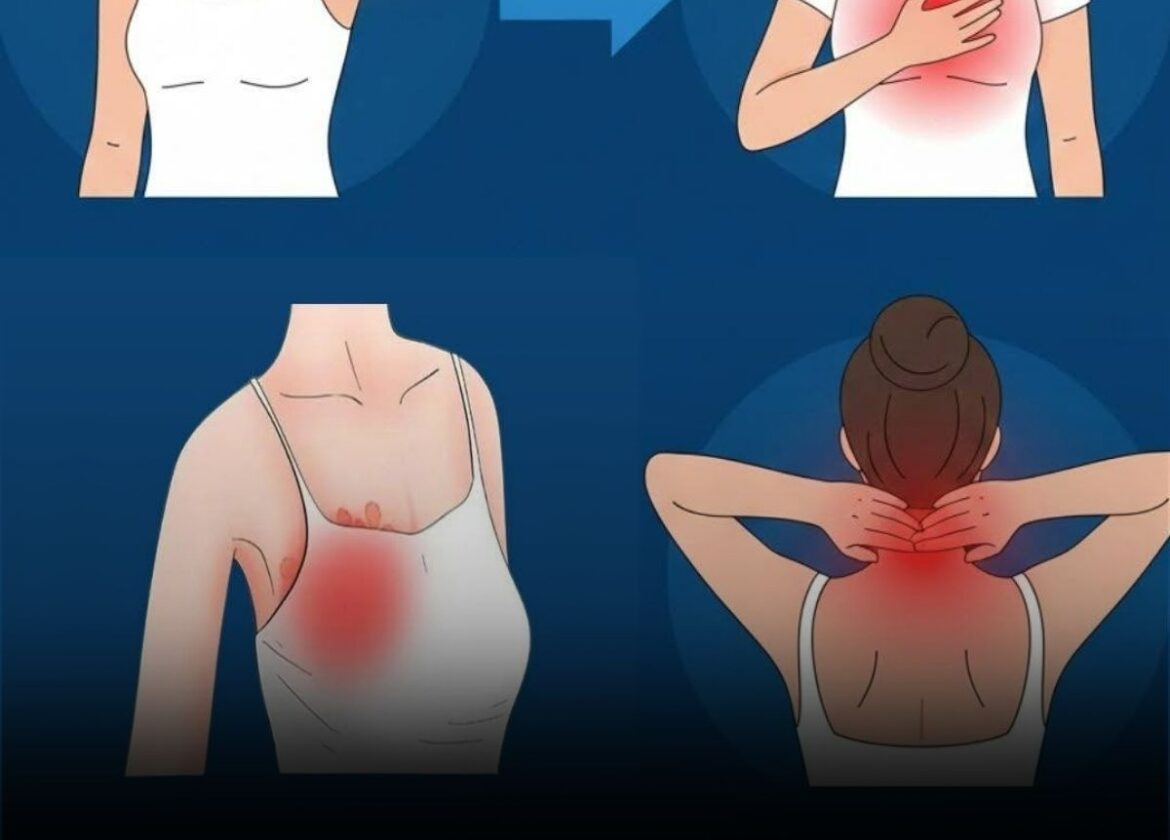
🚩 10 Breast Cancer Warning Signs You Should Never Ignore
1. A New Lump or Mass
What to look for:
A new lump in the breast or underarm, especially if it feels hard, irregular, or different from surrounding tissue. Some cancers may also feel soft or tender.
What to do:
Any new lump should be evaluated by a healthcare provider within 1–2 weeks.
Important note:
Most breast lumps are NOT cancer and may be caused by cysts, fibroadenomas, or hormonal changes—but only medical evaluation can confirm this.
2. Thickening or Swelling of Part of the Breast
What to look for:
An area of the breast that feels thicker or more dense than surrounding tissue, even without a distinct lump.
What to do:
Schedule a medical appointment if the change is new or persistent.
3. Skin Dimpling or “Orange Peel” Texture
What to look for:
- Dimpling or puckering of the skin
- Texture similar to orange peel (peau d’orange)
- Red or inflamed skin
What to do:
These can be signs of inflammatory breast cancer and require urgent medical evaluation.
4. Nipple Retraction (Turning Inward)
What to look for:
A nipple that suddenly pulls inward or changes shape.
What to do:
If this is new and not normal for you, seek medical evaluation promptly.
5. Nipple or Breast Skin Changes
What to look for:
- Redness
- Scaling or flaking
- Thickened skin
- Rash-like appearance that does not improve
What to do:
This can sometimes be linked to Paget’s disease of the breast and should be checked by a doctor.
6. Nipple Discharge (Not Breast Milk)
What to look for:
- Clear, bloody, or unusual discharge
- Discharge from only one breast
- Spontaneous leakage without squeezing
What to do:
Always get it evaluated, especially if it is bloody or persistent.
7. Change in Breast Size or Shape
What to look for:
- One breast becoming larger or smaller
- New or worsening asymmetry
- Swelling of part or all of the breast
What to do:
Any new change should be checked, even if subtle.
8. Persistent Breast or Nipple Pain
What to look for:
- Pain in one specific area that does not go away
- Unusual or persistent discomfort
What to do:
Breast cancer is not usually painful early on, but persistent localized pain should still be evaluated.
9. Swollen Lymph Nodes (Armpit or Collarbone)
What to look for:
- Lump or swelling under the arm
- Swelling near the collarbone
- Firm or fixed lymph nodes
What to do:
Persistent swelling should be checked, even without a breast lump.
10. Any Persistent, Unexplained Change
What to look for:
- Any new or unusual breast change
- Symptoms lasting more than one menstrual cycle
- Changes that feel “not normal” for your body
What to do:
Trust your instincts—if something feels off, get it checked.
🔍 Not All Breast Changes Are Cancer
Most breast changes are benign. Common non-cancerous conditions include:
- Fibrocystic breast changes
- Breast cysts
- Fibroadenomas (benign tumors)
- Mastitis (infection)
- Hormonal breast tenderness
- Fat necrosis
However, only a medical professional can determine the cause through examination and imaging.
🩺 When You Should See a Doctor
Seek medical attention if you notice:
- A new lump
- Skin dimpling or redness
- Nipple inversion
- Bloody or unusual nipple discharge
- Persistent breast pain
- Swollen lymph nodes
- Any unexplained change in breast appearance or feel
Early evaluation is always better than waiting.
🧬 Breast Cancer Screening Guidelines (USA)
Mammogram Recommendations (Average Risk)
- Ages 40–44: Optional yearly screening
- Ages 45–54: Yearly mammograms recommended
- Ages 55+: Every 1–2 years
High-Risk Individuals
May require earlier or more frequent screening (including MRI).
Breast Awareness
Instead of strict self-exams, focus on:
- Knowing what is normal for you
- Noticing changes early
- Reporting concerns promptly
⚠️ Risk Factors for Breast Cancer
Non-Modifiable Risks
- Female sex
- Increasing age
- Family history
- BRCA gene mutations
- Dense breast tissue
- Early menstruation or late menopause
Modifiable Risks
- Physical inactivity
- Obesity (especially after menopause)
- Alcohol consumption
- Hormone therapy use
- Lack of physical activity
❓ Frequently Asked Questions
Does a breast lump always mean cancer?
No. Most lumps are benign, but every new lump should be checked.
Can breast cancer occur without a lump?
Yes. Some types present with skin or nipple changes instead.
Are breast changes normal during periods?
Yes. Hormonal changes can cause temporary swelling or tenderness.
Can men get breast cancer?
Yes, although it is rare.
Is breast cancer treatable?
Yes. When detected early, survival rates are very high.
💡 Final Thoughts
Breast health awareness is one of the most powerful tools for early detection. While most breast changes are harmless, paying attention to new or unusual symptoms can make a life-saving difference.
You don’t need to panic over every change—but you should never ignore persistent or unusual symptoms.
Early action leads to better outcomes, more treatment options, and peace of mind.
Your health deserves attention, care, and confidence in knowing when to seek help.