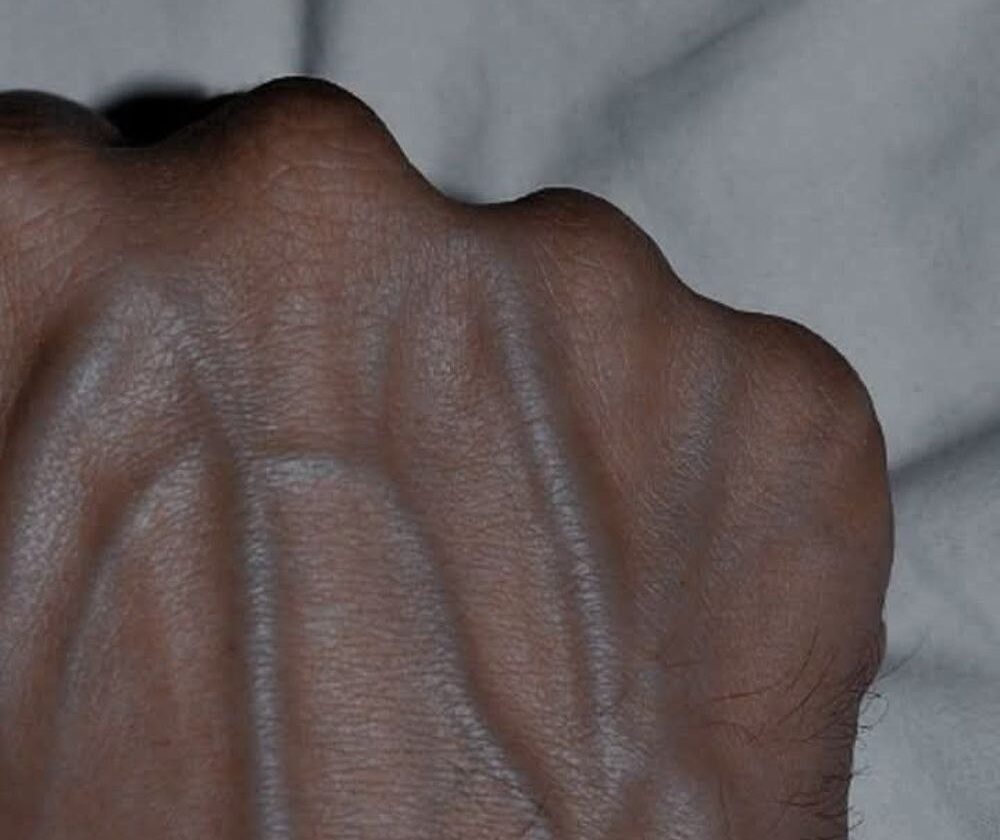
You glance down at your arm or leg and notice something different — your veins look more prominent than usual. Maybe they appeared suddenly, or maybe they’ve been slowly becoming more noticeable over the past few weeks. Your first instinct might be to brush it off. Probably just the heat, you think. Or maybe I lost some weight.
Sometimes that’s true. Visible veins are often completely harmless — a natural result of aging, low body fat, dehydration, heat, or regular exercise. But in certain cases, those suddenly prominent veins are your body’s early warning system, quietly signaling that something deeper is going wrong with your circulatory or cardiovascular health.
Knowing the difference could be the decision that protects your long-term health. In this article, we break down the five most important health conditions linked to suddenly visible veins — what causes them, what the warning signs look like, and exactly when you need to see a doctor.
Quick note: This article is for informational purposes only and does not replace professional medical advice. If you’re experiencing sudden or unexplained changes in your veins, always consult a licensed healthcare provider.
At a Glance: 5 Conditions That Cause Visible Veins
| Condition | Where It Shows | Urgency Level |
|---|---|---|
| Chronic Venous Insufficiency (CVI) | Lower legs, ankles | Moderate — see a doctor |
| Varicose Veins | Legs, occasionally arms | Low-Moderate — monitor |
| Deep Vein Thrombosis (DVT) | One leg (usually) | High — seek care immediately |
| Congestive Heart Failure (CHF) | Legs, hands, neck | High — ongoing medical care |
| Peripheral Vascular Disease (PVD) | Legs, feet, hands | Moderate-High — treat early |
The 5 Conditions Explained
Common Vein Condition
Chronic Venous Insufficiency (CVI)
CVI occurs when the valves inside your veins no longer function properly, making it difficult for blood to travel back up to the heart efficiently. As a result, blood pools in the lower limbs — causing veins to stretch, enlarge, and become visibly twisted or rope-like under the skin.
CVI is more common than most people realize, affecting a significant portion of adults over 50, especially those who spend long hours on their feet or living sedentary lifestyles. Left untreated, it can progress to painful leg ulcers or dangerous blood clots.
- Thick, rope-like visible veins on the lower legs
- A heavy, aching, or swollen feeling in the legs — especially after standing
- Skin discoloration, dryness, or ulcers around the ankles
- Leg cramping that worsens at the end of the day
Often Underestimated
Varicose Veins
Most people think of varicose veins as a cosmetic issue — something unsightly but not particularly dangerous. The reality is more nuanced. Varicose veins are actually a sign of underlying vein dysfunction, where the one-way valves inside the vein have weakened, allowing blood to flow backward and pool. This creates the characteristic swollen, twisted appearance, most commonly on the legs.
While many cases are mild, varicose veins can cause real discomfort and, in more serious cases, lead to chronic venous insufficiency or skin complications. They’re also one of the most frequently searched vein health conditions in the United States.
- Swollen, bulging veins that appear blue or dark purple
- Burning, itching, or throbbing sensations around the affected vein
- Muscle cramps or a feeling of heaviness in the legs
- Skin that appears shiny or discolored near the vein
⚠ Seek Immediate Care
Deep Vein Thrombosis (DVT)
DVT is one of the most medically serious conditions on this list. It occurs when a blood clot forms in one of the deeper veins — most often in the leg — restricting normal blood flow. While the deeper clot itself may not always be visible, the blocked circulation can cause the surrounding surface veins to swell, bulge, or become suddenly more prominent.
DVT is a genuine medical emergency. If the clot breaks free and travels to the lungs, it can cause a pulmonary embolism — a potentially fatal complication. If you notice sudden one-sided leg swelling combined with any of the symptoms below, seek emergency care immediately.
- Sudden, pronounced swelling in one leg (not both)
- Pain or tenderness in the calf, especially when walking or pressing
- Skin that feels noticeably warm and appears red or discolored
- Visible surface veins that suddenly become more prominent on one side
Chronic Condition
Congestive Heart Failure (CHF)
When the heart is unable to pump blood efficiently — as happens in congestive heart failure — fluid backs up throughout the venous system. This increased venous pressure causes veins to dilate and become more visible, particularly in the lower limbs, the backs of the hands, and the neck. The jugular veins in the neck becoming visibly distended is a classic clinical sign of CHF.
CHF is a serious chronic condition requiring ongoing medical management. Visible veins combined with the symptoms below warrant urgent evaluation — do not wait to see if it improves on its own.
- Shortness of breath, especially when lying down or with light activity
- Persistent fatigue and general weakness
- Swelling in the feet, ankles, or legs (edema)
- Rapid or irregular heartbeat
- Sudden weight gain from fluid retention
Vascular Disease
Peripheral Vascular Disease (PVD)
Peripheral vascular disease develops when narrowed blood vessels restrict blood flow to the arms and legs. While PVD primarily affects the arteries, the body attempts to compensate for reduced blood flow by rerouting circulation through smaller vessels — causing those surface veins to enlarge and become noticeably more visible.
PVD is frequently linked to atherosclerosis (hardening of the arteries) and significantly raises your long-term risk of heart attack and stroke if left untreated. The good news is that early lifestyle interventions — quitting smoking, improving diet, managing blood pressure — can meaningfully slow its progression.
- Tired, aching, or cramping legs during walking (claudication)
- Coldness or numbness in the hands or feet
- Skin discoloration — pale, bluish, or shiny skin on the lower limbs
- Wounds or sores on the legs or feet that heal unusually slowly
- Hair loss or weak pulse in the affected limb
🚨 When to See a Doctor Immediately
Visible veins are not always cause for concern — but these signs mean you should not wait:
- One limb suddenly looks noticeably more veiny than the other (asymmetry is a red flag)
- Veins that are throbbing, painful to touch, or feel hard under the skin
- Sudden leg swelling combined with warmth, redness, or tenderness
- Shortness of breath, chest pain, or heart palpitations alongside visible vein changes
- Skin wounds near prominent veins that refuse to heal after 2 weeks
- Rapid or unexplained weight gain with swelling in the legs
How to Support Healthy Vein Function
While some vein conditions are genetic or age-related, many risk factors are within your control. These evidence-based lifestyle habits can meaningfully protect your vascular health over time.
Stay Active Daily
Even 30 minutes of walking a day improves circulation and reduces blood pooling in the lower limbs.
Stay Well Hydrated
Dehydration thickens the blood, making clots more likely. Aim for 8 glasses of water daily.
Try Compression Socks
Compression garments are clinically recommended for people with CVI or varicose veins — and for long flights.
Elevate Your Legs
Raising your legs above heart level for 15–20 minutes daily helps reduce venous pressure and swelling.
Quit Smoking
Smoking directly damages blood vessel walls and is one of the top modifiable risk factors for PVD and DVT.
Eat a Heart-Healthy Diet
A diet rich in fiber, leafy greens, and omega-3 fatty acids supports arterial health and reduces atherosclerosis risk.
Frequently Asked Questions
Not always. Visible veins can result from completely benign causes like aging (which naturally thins the skin), low body fat, hot weather, dehydration, or intense exercise. The key distinction is whether the change is sudden, affects only one side of the body, or is accompanied by other symptoms like pain, swelling, or warmth. Gradual, symmetrical vein visibility is usually harmless. Sudden, one-sided, or painful changes deserve medical evaluation.
Yes — this is extremely common and completely normal. During and after exercise, your muscles demand more blood flow, which increases circulation and temporarily causes surface veins to dilate and become more prominent. In athletes and people with low body fat, this can become a permanent fixture simply because there’s less tissue between the skin and the vein. Exercise-related vein visibility is a sign of good cardiovascular health, not a warning sign.
Varicose veins occur in the surface (superficial) veins and are usually visible, twisted, and cause discomfort — but they’re rarely life-threatening on their own. DVT (Deep Vein Thrombosis) occurs in the deeper veins and involves a blood clot, which can be dangerous. DVT typically presents with sudden one-sided swelling, warmth, redness, and pain. If you’re unsure which one you’re dealing with, always err on the side of getting evaluated — the consequences of untreated DVT are severe.
Mild symptoms can often be managed with lifestyle changes: regular walking, leg elevation, compression stockings, maintaining a healthy weight, and avoiding prolonged sitting or standing. However, these are supportive measures, not cures. If you have confirmed varicose veins or CVI, a vascular specialist can offer minimally invasive treatments — like laser ablation or sclerotherapy — that provide lasting relief. Home management should complement, not replace, professional care.
In some cases, yes. Congestive heart failure can cause increased venous pressure throughout the body, leading to more visible veins — particularly in the neck and lower limbs. If you notice new vein visibility alongside shortness of breath, unexplained fatigue, leg swelling, or rapid heartbeat, those symptoms together strongly suggest a cardiac evaluation is needed. Vein changes alone are not a reliable indicator of heart disease, but in combination with other symptoms they can be a meaningful signal.
You May Also Like
7 Early Warning Signs of Heart Disease Most People Miss
Cardiovascular Health
Why Your Legs Feel Heavy and Tired — and What to Do About It
Vein & Leg Health
Blood Clot Symptoms: How to Recognize DVT Before It Becomes Dangerous
Emergency Health Awareness
Natural Ways to Improve Circulation in Your Legs and Feet
Circulation & Wellness
Do Compression Socks Actually Work? What the Research Says
Vein Health Products
The Best Foods for Vascular Health — Eat These Every Week
Diet & Heart Health
Your Veins Are Talking. Are You Listening?
Your veins don’t just carry blood — they carry messages. Most visible veins are harmless, but sudden or unexplained changes deserve your attention. The conditions listed here are all treatable — especially when caught early.
Don’t wait until symptoms become serious. If something feels different, trust your instincts and get it checked. Early action is always the wisest move when it comes to your vascular health.