Introduction
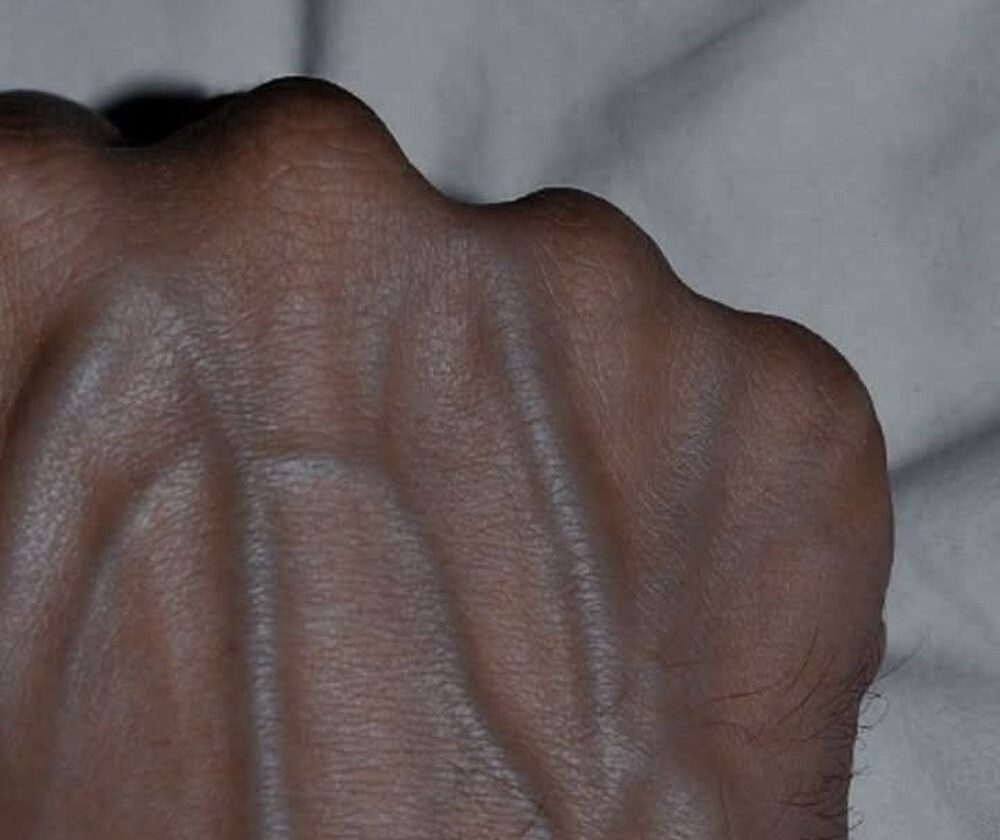
Noticing suddenly visible veins on your arms, hands, or legs can feel surprising—sometimes even a little alarming. In many cases, prominent veins are completely normal. They can appear due to aging, exercise, weight loss, or low body fat, and often they’re simply a sign of good circulation.
However, there are situations where newly visible veins may indicate an underlying health condition. When veins become unusually swollen, twisted, painful, or appear suddenly on one side of the body, it may be your body’s way of signaling that something deeper is happening with your circulation.
Understanding the possible causes can help you know when it’s harmless and when it might be worth speaking with a healthcare professional. Below are five health conditions that may explain suddenly visible veins, along with the warning signs to watch for.
(Ad placement opportunity – after introduction)
Why Understanding Vein Changes Is Important
- Helps you recognize early signs of circulation problems
- Encourages early medical evaluation when needed
- Improves awareness of vein health and vascular conditions
- Helps differentiate between normal veins and medical concerns
- Supports better long-term heart and circulation health
1. Chronic Venous Insufficiency (CVI)
Chronic Venous Insufficiency happens when the tiny valves inside your veins stop working properly. These valves normally help blood travel back toward the heart. When they weaken, blood can begin to pool in the lower legs, which increases pressure inside the veins.
Over time, this pressure can cause veins to stretch and become more visible, enlarged, or twisted.
Common symptoms may include:
- Thick, rope-like visible veins
- Aching or heaviness in the legs
- Swelling in the lower legs or ankles
- Skin discoloration around the ankles
- In severe cases, slow-healing leg ulcers
CVI is more common in people who:
- Stand for long periods at work
- Have sedentary lifestyles
- Are older adults
- Have a family history of vein disease
Without treatment, CVI may eventually lead to more serious complications such as blood clots or chronic leg ulcers.
2. Varicose Veins
Varicose veins are one of the most common causes of bulging and highly visible veins, especially in the legs.
Although many people think of them as a cosmetic issue, varicose veins actually occur when vein valves weaken and blood collects inside the vein. This causes veins to become enlarged, twisted, and visible under the skin.
Signs of varicose veins include:
- Bulging blue or purple veins
- A burning or throbbing sensation in the legs
- Itching around the veins
- Muscle cramps or leg fatigue
- Swelling in the legs or ankles
Several risk factors increase the chance of developing varicose veins, including:
- Genetics
- Pregnancy
- Obesity
- Prolonged standing or sitting
- Aging
While mild cases may only cause cosmetic concerns, more severe cases can lead to pain, swelling, or circulation issues.
(Ad placement opportunity – mid content)
3. Deep Vein Thrombosis (DVT)
Deep Vein Thrombosis is a serious medical condition where a blood clot forms inside a deep vein, usually in the legs.
While the clot itself occurs deeper in the body, it can sometimes cause nearby surface veins to become more visible or swollen because blood flow becomes partially blocked.
Warning signs of DVT may include:
- Sudden swelling in one leg
- Pain or tenderness in the calf
- Skin that feels warm to the touch
- Red or discolored skin
DVT requires immediate medical attention because the clot can break loose and travel to the lungs, causing a pulmonary embolism, which can be life-threatening.
If visible veins appear suddenly along with pain, swelling, or warmth, it’s important to seek medical care right away.
4. Congestive Heart Failure (CHF)
When the heart becomes weaker and struggles to pump blood efficiently, fluid can begin to build up in the body’s veins. This condition is known as Congestive Heart Failure.
The increased pressure in the veins may cause them to appear more swollen or prominent, particularly in areas such as:
- Legs
- Feet
- Hands
- Neck
Other symptoms of CHF often include:
- Shortness of breath
- Fatigue and weakness
- Swelling in ankles or legs
- Rapid or irregular heartbeat
Congestive heart failure is a chronic condition that requires ongoing medical care. Early diagnosis can greatly improve treatment outcomes and quality of life.
5. Peripheral Vascular Disease (PVD)
Peripheral Vascular Disease occurs when blood vessels become narrowed, limiting blood flow to the arms and legs.
Although the condition mainly affects arteries, the body sometimes compensates by expanding nearby veins, which may make them more visible beneath the skin.
Symptoms of PVD can include:
- Leg pain or tiredness during walking
- Coldness in the hands or feet
- Numbness or tingling sensations
- Skin color changes
- Slow-healing wounds on the feet or legs
PVD is often related to atherosclerosis, a condition where fatty deposits build up in blood vessels. If untreated, it can increase the risk of heart attacks and strokes.
(Ad placement opportunity – before FAQ)
When Should You See a Doctor?
Visible veins are often harmless, but there are certain situations where medical evaluation is important.
You should consider seeing a doctor if you notice:
- One limb suddenly becoming much more veiny than the other
- Persistent pain or throbbing in the veins
- Swelling in the legs or arms
- Skin changes around veins
- Wounds that heal slowly
Early diagnosis of vascular problems can prevent more serious complications later.
Frequently Asked Questions
Are visible veins always a sign of a health problem?
No. In many cases, visible veins are completely normal and may appear due to aging, exercise, or low body fat.
Why do veins become more visible after exercise?
Exercise increases blood flow and temporarily enlarges veins, making them more noticeable. This is usually normal and healthy.
Can dehydration make veins more visible?
Yes. Dehydration can reduce the amount of fluid in the body, which sometimes makes veins stand out more under the skin.
Are visible veins dangerous?
Most visible veins are harmless, but sudden changes—especially with pain, swelling, or discoloration—should be evaluated by a doctor.
How can I improve vein health?
Healthy lifestyle habits can support circulation, including:
- Regular exercise
- Maintaining a healthy weight
- Staying hydrated
- Avoiding prolonged sitting or standing
You May Also Like
- Early Warning Signs of Poor Circulation
- 7 Symptoms That May Signal Heart Problems
- Easy Lifestyle Habits for Better Heart Health
- Natural Ways to Support Healthy Blood Flow
- Signs Your Body May Be Dehydrated
- Simple Daily Habits for Better Vascular Health
Final Thoughts
Your veins do more than just carry blood—they provide valuable clues about your body’s circulation and overall health.
While visible veins are often completely harmless, sudden changes in their appearance can sometimes signal deeper issues that shouldn’t be ignored.
Listening to your body and seeking medical advice when something feels unusual can help catch potential problems early. In many cases, early awareness leads to better outcomes and peace of mind.