Heart disease continues to be one of the biggest health threats worldwide. According to the World Health Organization, ischaemic heart disease is the leading cause of death globally, responsible for millions of deaths each year. That’s why understanding the early warning signs of a heart attack can literally save lives.
Many people assume heart attacks happen suddenly without warning. In reality, the body often sends signals days, weeks, or even months beforehand. These early signals are called prodromal symptoms. Unfortunately, they are frequently overlooked or mistaken for everyday health problems like stress, fatigue, or a mild illness.
Research published through the National Library of Medicine suggests that recognizing these early symptoms can help people seek medical help sooner. In this article, we’ll explore seven common warning signs of a heart attack, why they happen, and what they may mean for your health.
Why You Should Pay Attention to These Symptoms
Understanding early heart attack symptoms can make a huge difference in survival and recovery.
Here’s why learning these signs matters:
- ❤️ Early detection can reduce the risk of severe heart damage
- ⚕️ Recognizing symptoms quickly can help doctors provide faster treatment
- 🧠 Some symptoms appear days or weeks before a heart attack
- 👨👩👧 Awareness can help protect your family and loved ones
- 📉 Preventive action may reduce your risk of serious cardiovascular disease
Common Early Symptoms Before a Heart Attack
According to medical studies, several warning signs may appear before a heart attack occurs. These symptoms may vary from person to person.
1. Fatigue
Being extremely tired, sleepy, exhausted or lacking energy to perform even the slightest of tasks can be a sign of fatigue. One of the reasons it may affect a person are the lowered levels of blood that go to the heart. This usually takes place when arteries get narrowed. Fatigue can easily happen if someone experiences heart issues.
2. Shortness of Breath
The shortness of breath happens when the lungs don’t get the appropriate levels of oxygen needed for a proper function of the body. If you or someone you know experiences shortness of breath it is for the best to consult a doctor because it may be a sign of a potential heart attack.
According to WebMD, shortness of breath combined with fatigue may also be a sign of heart failure.
Heart failure refers to the heart’s inability to pump blood around the body properly.
3. Weakness
If you start experiencing weakness all of a sudden because of a an unknown reason your body might want to remind you to take things slowly and reconsider your lifestyle.
Unexpected weakness can sometimes indicate poor blood circulation, which may be linked to heart-related problems.
4. Dizziness and Cold Sweats
Both dizziness and cold sweats can be a result of poor circulation, something that must not be ignored.
When blood flow to the brain is reduced, it can lead to lightheadedness, faintness, and sudden sweating.
5. Flu or Cold-Like Symptoms
A great number of people who have experienced heart attack say that they developed flu-like symptoms mere days before the attack took place.
These symptoms can include:
- nausea
- mild body aches
- fatigue
- general discomfort
Because they resemble the flu, many people ignore these early warning signals.
6. Chest Pressure
A common symptom of heart attack is the chest pressure one might experience. This pressure will constantly increase until the attack itself happens.
People often describe the feeling as:
- heaviness in the chest
- tightness
- squeezing sensation
Chest pressure is one of the most widely recognized warning signs of a heart attack.
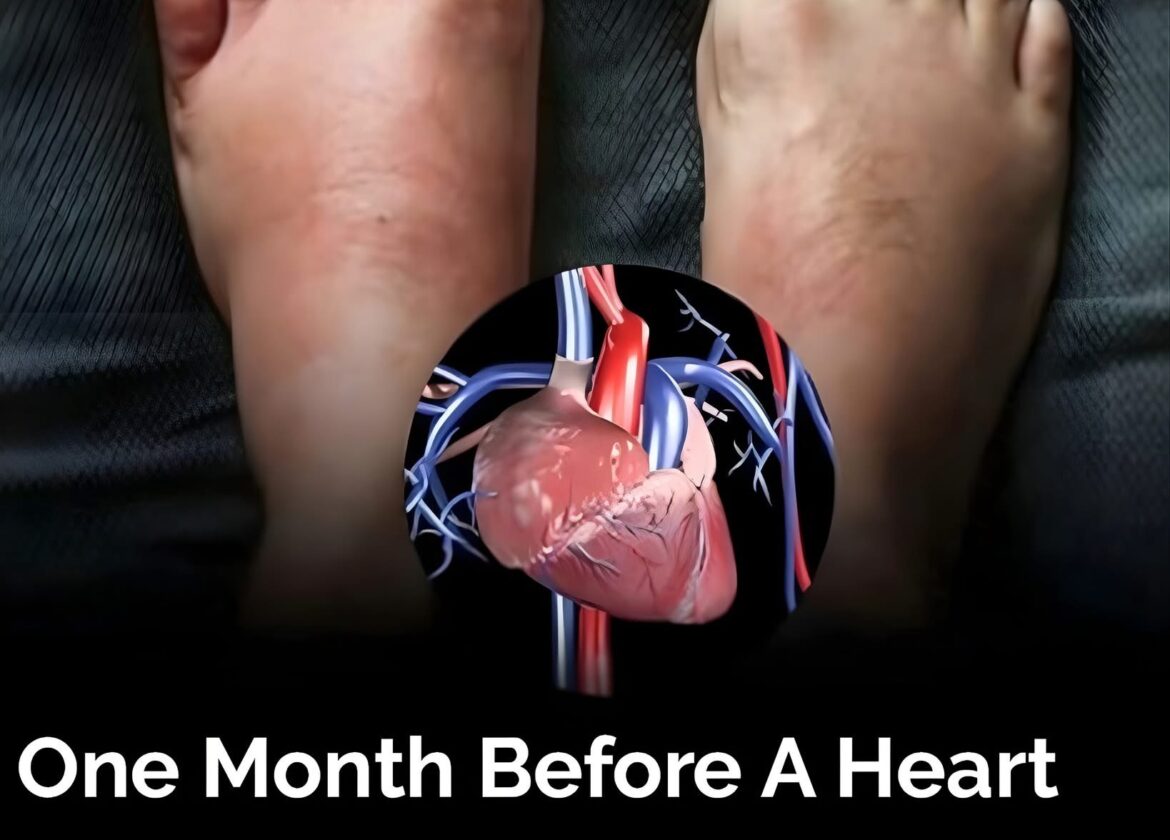
7. Swollen Feet
If you have congestive heart failure, one or both of your heart’s lower chambers lose their ability to pump blood effectively.
As a result, blood can back up in your legs, ankles and feet, causing edema (swelling).
This swelling may appear gradually and can indicate circulation problems related to heart health.
Is This Information Important for Your Health?
Understanding heart attack symptoms plays a major role in preventive healthcare and heart health awareness.
Maintaining good cardiovascular health often includes:
- eating a balanced diet
- maintaining a healthy weight
- exercising regularly
- managing blood pressure and cholesterol
- avoiding smoking
Recognizing early symptoms and living a heart-healthy lifestyle may help reduce the risk of serious heart conditions.
Tips to Protect Your Heart Health
While symptoms are important to recognize, prevention is equally critical.
Here are some habits doctors recommend:
- 🥗 Eat a heart-healthy diet rich in vegetables, fruits, and whole grains
- 🚶 Exercise regularly (even 30 minutes of walking helps)
- 🧂 Reduce salt and processed foods
- 🩺 Schedule routine health checkups
- 😴 Get enough sleep and manage stress
These simple steps can significantly support long-term cardiovascular health.
FAQ About Heart Attack Symptoms
What are the earliest signs of a heart attack?
Early symptoms may include fatigue, chest discomfort, shortness of breath, dizziness, and unusual weakness. These can appear days or weeks before the event.
Do heart attacks always happen suddenly?
No. Many people experience warning signs beforehand, although some heart attacks can still occur without noticeable symptoms.
Should I see a doctor if I notice these symptoms?
Yes. If symptoms such as chest pressure, shortness of breath, or severe dizziness occur, seek medical attention immediately.
Are symptoms different for women?
Yes. Women may experience less obvious symptoms such as fatigue, nausea, or shortness of breath rather than intense chest pain.
Can lifestyle changes reduce heart attack risk?
Yes. Healthy habits like regular exercise, balanced nutrition, and controlling blood pressure can significantly reduce cardiovascular risk.
Related Health Topics You May Find Helpful
If you’re interested in learning more about heart health and wellness, you may also like:
- Early Warning Signs of Stroke Everyone Should Know
- 10 Foods That Help Support Heart Health
- How to Lower Blood Pressure Naturally
- Signs Your Body Is Under Too Much Stress
- Daily Habits That Improve Cardiovascular Health
Final Thoughts
Heart attacks rarely come without warning. The body often sends subtle signals that something is wrong, but these signs are easy to ignore or misinterpret.
Learning to recognize symptoms like fatigue, shortness of breath, chest pressure, dizziness, and swelling can help people seek help sooner.
Sharing this information could help someone recognize a serious problem in time.
Please consider sharing this article with your family and friends. It might help save a life. ❤️