
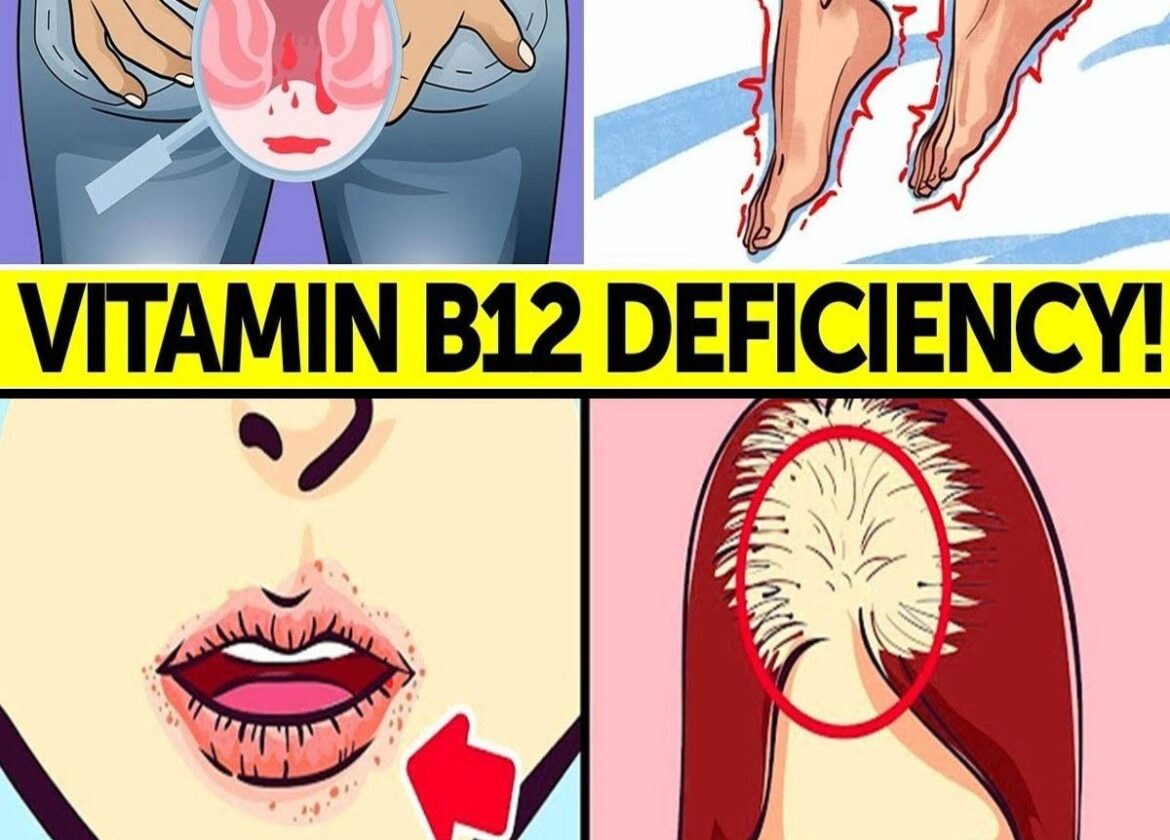
8 Strange Signs Your Body May Be Begging for More Vitamin B12
Engaging Introduction
For almost a year, I thought something was seriously wrong with me.
I was exhausted all the time—not ordinary tiredness, but the kind of fatigue that makes getting through the afternoon feel impossible. My hands tingled randomly. I felt dizzy when I stood up too fast. I kept forgetting simple things, like why I walked into a room or what I was about to say.
Naturally, I panicked. I convinced myself it had to be something severe.
But after a simple blood test, my doctor gave me an answer I never expected:
“Your vitamin B12 levels are very low.”
I was stunned. I wasn’t vegan. I ate eggs, dairy, and meat occasionally. How could I possibly be deficient?
What I learned next surprised me even more: vitamin B12 deficiency doesn’t just happen to vegans. Aging, digestive issues, certain medications, and even common conditions like diabetes can quietly interfere with your body’s ability to absorb this essential nutrient.
And because the symptoms often develop slowly, many people don’t realize there’s a problem until the deficiency begins affecting their nerves, memory, balance, and energy levels.
The good news? In many cases, it’s treatable.
Here are 8 unusual signs your body may be trying to warn you that your vitamin B12 is too low.
Why Vitamin B12 Matters
Vitamin B12 plays a critical role in:
- Nerve function
- Red blood cell production
- Brain health and memory
- DNA synthesis
- Energy metabolism
Your body cannot produce B12 on its own, which means you must get it through food or supplements.
Without enough B12, the nervous system and blood cells can begin to suffer—sometimes in subtle ways at first.
8 Strange Signs of Vitamin B12 Deficiency
1. Tingling or Numbness in Your Hands and Feet
One of the most common early signs is a “pins and needles” sensation in the hands, feet, legs, or arms.
Why it happens:
Vitamin B12 helps maintain the protective covering around nerves called the myelin sheath. When B12 levels drop too low, nerves can become damaged, causing abnormal sensations.
Don’t ignore it:
Persistent tingling can also be linked to diabetes, nerve compression, thyroid disorders, or neurological conditions.
2. Extreme Fatigue That Rest Doesn’t Fix
This isn’t ordinary tiredness.
People with low B12 often describe feeling:
- Drained all day
- Weak for no clear reason
- Short of breath with minimal activity
- Unable to focus due to exhaustion
Why it happens:
B12 deficiency can lead to megaloblastic anemia, where the body struggles to produce healthy red blood cells capable of carrying oxygen efficiently.
Less oxygen = less energy.
3. Brain Fog and Memory Problems
Many people experience:
- Forgetfulness
- Difficulty concentrating
- Mental “slowness”
- Trouble finding words
- Feeling disconnected or foggy
Why it happens:
The brain relies heavily on healthy nerves and proper oxygen delivery. Low B12 levels can interfere with both.
Important:
Cognitive symptoms should never automatically be dismissed as “normal aging.”
4. Dizziness or Balance Problems
Low B12 can affect the nerves involved in coordination and balance.
You may notice:
- Feeling unsteady while walking
- Frequent stumbling
- Dizziness when standing
- Trouble walking in a straight line
Why it matters:
Severe or prolonged deficiency can increase fall risk, especially in older adults.
5. Pale or Slightly Yellow Skin
Some people with B12 deficiency develop:
- Pale skin
- A waxy appearance
- Mild yellowing of the skin or eyes
Why it happens:
Damaged red blood cells break down more easily, releasing bilirubin—a yellow pigment that can subtly discolor the skin.
6. A Smooth, Red, Swollen Tongue
Your tongue can reveal nutritional deficiencies.
Signs may include:
- Bright red appearance
- Swelling
- Tenderness or burning
- Loss of the tiny bumps normally seen on the tongue
This condition is called glossitis and is commonly associated with B12 deficiency.
7. Frequent Mouth Ulcers
Recurring canker sores or painful mouth ulcers may also signal low B12 levels.
Why it happens:
B12 supports healthy cell turnover in the mouth and digestive tract. Deficiency can make tissues more vulnerable to irritation and ulceration.
8. Vision Changes
In more severe cases, vitamin B12 deficiency may affect the optic nerve.
Symptoms can include:
- Blurry vision
- Double vision
- Increased sensitivity to light
- Difficulty focusing
Seek medical care promptly:
Sudden or worsening vision changes should always be evaluated by a healthcare professional.
Who Is Most at Risk?
You may have a higher risk of B12 deficiency if you:
- Are over age 60
- Follow a vegan or vegetarian diet
- Take acid-reducing medications regularly
- Have Crohn’s disease or celiac disease
- Have had weight-loss surgery
- Take metformin for diabetes
- Drink alcohol heavily
- Have pernicious anemia
Even people who eat meat can develop deficiency if their body struggles to absorb B12 properly.
Best Food Sources of Vitamin B12
Naturally rich sources include:
- Fish and seafood
- Beef and poultry
- Eggs
- Milk, yogurt, and cheese
- Liver and organ meats
For vegans and vegetarians:
- Fortified cereals
- Fortified plant milks
- Nutritional yeast with added B12
- Supplements
How Is B12 Deficiency Diagnosed?
Doctors typically use:
- Vitamin B12 blood tests
- Complete blood count (CBC)
- Methylmalonic acid (MMA) testing
- Homocysteine levels
If caught early, treatment is often simple and highly effective.
Treatment Options
Depending on the cause and severity, treatment may include:
- Oral B12 supplements
- Dietary changes
- High-dose B12 tablets
- Vitamin B12 injections
Many people begin feeling improvement within weeks, though nerve-related symptoms may take longer to recover.
When to See a Doctor
Talk to a healthcare professional if you experience:
- Persistent numbness or tingling
- Ongoing fatigue
- Memory problems
- Balance issues
- Vision changes
- Unexplained weakness
These symptoms can have many possible causes, and proper testing is important.
Final Thoughts
Vitamin B12 deficiency is far more common than many people realize—and its symptoms can quietly affect your energy, nerves, mood, and brain long before you recognize what’s happening.
The encouraging part is this:
Sometimes the problem isn’t that your body is “falling apart.” Sometimes it simply needs the nutrients required to function properly.
Pay attention to persistent symptoms. Listen to your body. And never hesitate to ask questions or request testing if something feels off.
A simple blood test could provide answers—and potentially help you feel like yourself again.