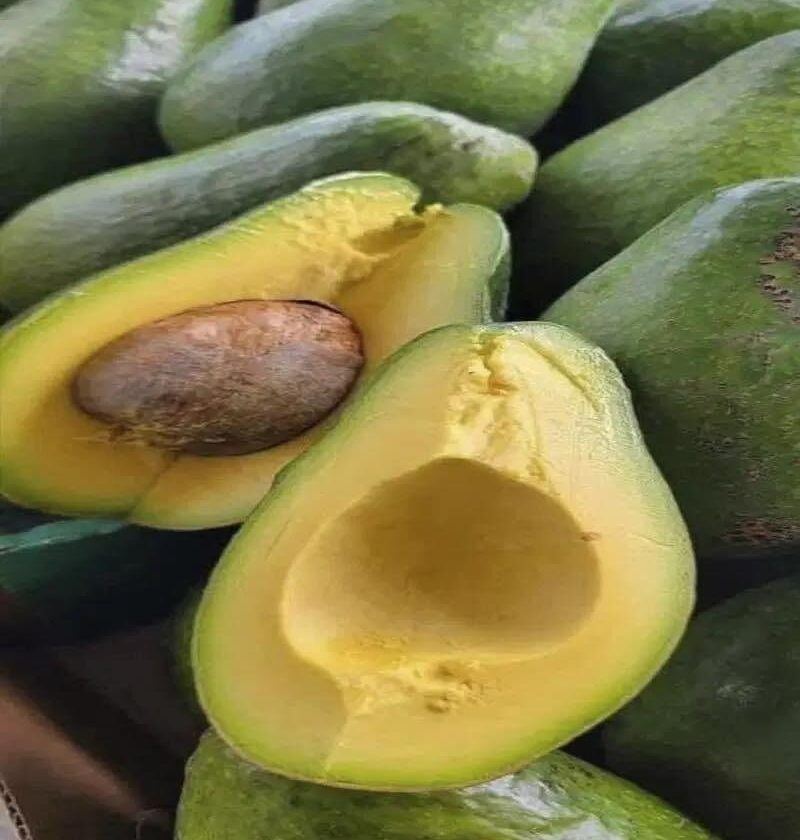
Avocados have become one of the most popular healthy foods in America. From avocado toast to creamy smoothies and fresh salads, this nutrient-packed fruit appears everywhere in modern kitchens. But many people still ask the same question: Do avocados cause weight gain?
The concern usually comes from one simple fact — avocados are calorie-dense. If you’re trying to lose weight, follow a healthy diet, or plan balanced meals, it’s normal to wonder whether this creamy green fruit could slow your progress.
The good news? Science suggests the opposite. When eaten in reasonable portions, avocados can actually support weight management, healthy eating, and meal prep goals. Let’s break down the facts and separate the myth from reality.
🥑 Why You’ll Love Avocados
- Rich in heart-healthy fats that support overall wellness
- High in fiber, helping you feel full longer
- Packed with essential vitamins and minerals
- Perfect for healthy recipes, quick dinners, and meal prep
- Naturally creamy and satisfying without processed ingredients
🥑 The Facts About Avocados
| Nutrient | Amount (1 medium avocado, ~200g) |
|---|---|
| Calories | ~320 |
| Total fat | ~29g |
| Monounsaturated fat | ~20g |
| Fiber | ~13g |
| Protein | ~4g |
| Carbohydrates | ~17g (net carbs ~4g after fiber) |
Key takeaway: Yes, avocados are calorie-dense. But those calories come packaged with fiber, healthy fats, and essential nutrients that can support a balanced diet.
Why Avocados Probably Won’t Make You Gain Weight
1. High Fiber Promotes Satiety
With 13 grams of fiber per avocado, this fruit delivers about half the recommended daily intake. Fiber slows digestion and helps you stay full longer.
Studies show that adding half an avocado to a meal significantly increases feelings of fullness and reduces the desire to snack for several hours.
The result: You may naturally eat fewer calories later in the day.
2. Healthy Fats Slow Digestion
Avocados are rich in monounsaturated fats, the same heart-healthy fats found in olive oil.
These fats help regulate hunger hormones and slow digestion, which means your body stays satisfied longer compared to eating low-fat, high-carbohydrate snacks.
3. Research Shows Positive Effects
Scientific research continues to support avocados as part of a healthy diet.
- A 2017 study found that people who regularly ate avocados had lower BMI and smaller waist circumference compared to those who didn’t.
- A 2019 study showed that eating one avocado per day did not cause weight gain, even though calories increased.
Researchers believe this happens because avocados improve satiety and overall diet quality, which reduces overeating.
How Avocados Could Lead to Weight Gain (The Real Risk)
Avocados themselves are not the problem. The real issue usually comes from portion size and high-calorie pairings.
The “Guacamole Effect”
It’s surprisingly easy to eat two or three avocados in one sitting when enjoying guacamole with chips.
That could mean:
- 600–900 calories from avocado
- Plus several hundred calories from tortilla chips
Suddenly a healthy snack becomes a calorie-heavy meal.
High-Calorie Pairings
Some popular avocado dishes can become calorie bombs, such as:
- Avocado toast on thick sourdough with olive oil
- Avocado in creamy dressings or sauces
- Avocado combined with bacon, cheese, or fried eggs
While delicious, these combinations can easily exceed 500–700 calories per serving.
Lack of Portion Awareness
A typical serving of avocado is about ⅓ of a medium fruit (50g, ~80 calories).
Many people eat an entire avocado without realizing the calorie difference. This is perfectly fine in a balanced meal — but it can add up if you’re already eating calorie-dense foods.
Is This Recipe Healthy?
Avocados are widely considered one of the healthiest foods you can include in your diet. They provide essential nutrients while supporting healthy eating habits.
Benefits include:
- Supporting heart health with healthy fats
- Helping maintain stable blood sugar levels
- Promoting satiety, which may help with weight loss
- Providing vitamins like potassium, vitamin K, and folate
For people following healthy meal prep plans, low-carb diets, or balanced eating strategies, avocados can be a valuable ingredient.
The key is simple: moderation and smart pairings.
Calories & Nutrition
A medium avocado (~200g) contains approximately:
- Calories: ~320
- Protein: ~4g
- Carbohydrates: ~17g
- Fiber: ~13g
- Healthy fats: ~29g
Despite the higher calorie count, the fiber and healthy fats help control hunger, which may actually reduce total daily calorie intake.
This is why avocados are often included in healthy recipes, weight-loss diets, and balanced meal plans.
Tips for Best Results
If you want to enjoy avocados while maintaining a healthy diet, these tips can help.
1. Stick to Smart Portions
Aim for ⅓ to ½ an avocado per meal for balanced calories.
2. Use Avocado as a Replacement
Instead of adding avocado on top of high-fat foods, use it to replace butter, mayonnaise, or creamy dressings.
3. Pair with Vegetables
Combine avocado with salads, grain bowls, or veggie wraps to increase nutrients and fiber.
4. Watch Bread and Chips
The biggest calorie increases usually come from the foods paired with avocado, not the avocado itself.
5. Measure Portions When Needed
Using a kitchen scale or measuring cup can help you learn proper portion sizes.
Variations & Substitutions
Avocados are extremely versatile and work well in many healthy recipes.
Try these ideas:
- Avocado salad bowls with quinoa and vegetables
- Healthy avocado smoothies for breakfast
- Mashed avocado spreads instead of mayonnaise
- Avocado egg bowls for a high-protein meal
- Guacamole with veggie sticks instead of chips
These options make it easier to enjoy avocado while keeping your meals balanced.
Frequently Asked Questions
Can I eat avocado every day?
Yes. Many studies show that eating one avocado per day can be part of a healthy diet. Just keep overall calorie intake balanced.
Is avocado good for weight loss?
Yes. The fiber and healthy fats help keep you full longer, which may reduce overeating and support weight management.
What is the best portion size?
A typical serving is ⅓ to ½ of a medium avocado, depending on your calorie needs.
Can avocado be used for meal prep?
Absolutely. Avocados are great for meal prep salads, grain bowls, and healthy sandwiches. To prevent browning, add lemon juice and store in an airtight container.
Can you freeze avocados?
Yes. Mashed avocado with a little lemon juice freezes well and can be used later in smoothies, spreads, or dips.
You May Also Like
If you enjoy healthy foods and easy recipes, you might also like:
- Healthy avocado breakfast bowls
- High-protein egg recipes for meal prep
- Easy healthy smoothie recipes
- Quick dinner salad ideas
- Healthy low-carb lunch recipes
- Easy meal prep recipes for busy weeks
Final Thoughts
So, do avocados cause weight gain?
The answer is simple: No — not when eaten in reasonable portions.
Avocados are packed with fiber, healthy fats, and essential nutrients that can support a balanced diet. When paired with healthy foods and mindful portions, they can even help improve satiety and overall diet quality.
In the end, avocados aren’t the enemy — they’re actually one of the best healthy ingredients you can add to your meals.
Enjoy them mindfully, pair them with nutritious foods, and they can easily become part of a healthy lifestyle and balanced eating plan. 🥑